Dallas Home Buyer Guide 2026
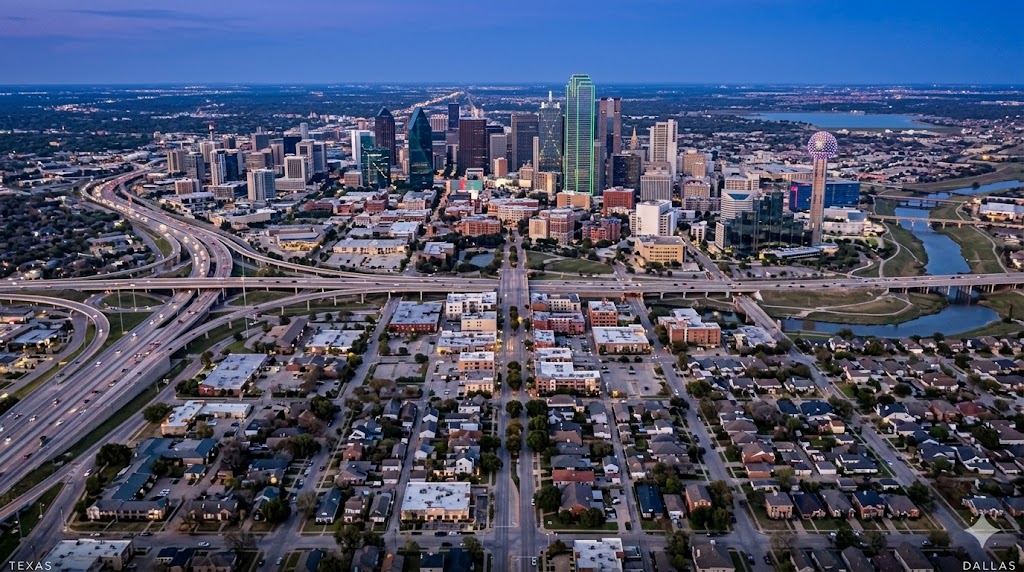
Become the Featured Dallas Realtor
Reach local buyers while they compare payments, down payments, neighborhoods, and mortgage options in Dallas.
Founding sponsor first month: $249. Regular placement: $599/month.
Claim This SpotDallas Home Buyer Guide for 2026
Dallas buyers are entering 2026 with a market where the median home price is $494,900, according to Redfin’s March 2026 Dallas housing market data, while the national 30-year fixed mortgage benchmark is 6.36% from Freddie Mac PMMS via AP News in May 2026. That combination makes payment planning, property tax awareness, and neighborhood choice especially important before touring homes. Dallas agents: bookmark this page as a buyer-education resource before your first consultation.
What Dallas Home Buyers Are Really Up Against in 2026
One of the biggest Dallas surprises is that the list price is only part of the affordability story: property taxes, insurance, flood-zone research, and commute patterns can change the real monthly cost quickly. Redfin reported a Dallas median home price of $494,900 in March 2026, and Freddie Mac PMMS showed a 6.36% national 30-year fixed benchmark in May 2026. Using a simple 28% front-end housing-cost rule, a buyer trying to keep housing near 28% of gross income would need roughly $10,680 per month, or about $128,160 per year, for principal and interest alone on a 3% down conventional-style example. That does not include Dallas property taxes, homeowners insurance, flood insurance if needed, HOA dues, debts, credit score, or lender program rules. This is why Dallas can feel accessible compared with coastal metros, yet still challenging for buyers near the Census median household income of $70,518.
Dallas Mortgage Snapshot – Key Numbers at a Glance
At Dallas’s $494,900 median price, even a low-down-payment buyer must plan beyond the sale price because the monthly payment can rise quickly once taxes, insurance, HOA dues, and flood-zone issues are included. The table below uses Data Pack figures only and a 3% down payment example for a conventional first-time buyer scenario.
| Detail | Dallas Number | Source |
|---|---|---|
| Median Home Price | $494,900 — March 2026 | Redfin Dallas Housing Market |
| Typical Loan Amount | $480,053 based on 3% down | Calculated from Redfin median price |
| Current 30-Year Rate | 6.36% — May 2026 | Freddie Mac PMMS via AP News |
| Est. Monthly P+I | About $2,990 per month | Calculated at 6.36% for 30 years |
| Minimum Down Payment | 3% conventional or 3.5% FHA | FHFA / HUD |
| County Loan Limit | FHA: $541,287; Conforming: $832,750 — 2026 | HUD / FHFA |
Current Mortgage Rates in Dallas – What Buyers Are Seeing in 2026
Freddie Mac PMMS, reported through AP News, showed the national 30-year fixed mortgage benchmark at 6.36% in May 2026. Dallas buyers may receive quotes above or below that benchmark depending on credit score, down payment, loan-to-value ratio, discount points, lender competition, and whether the loan is conventional, FHA, VA, or tied to a builder or new-construction incentive. Because Dallas has a $494,900 median home price and a 2026 FHA loan limit of $541,287, many buyers can still compare FHA and conventional options without immediately needing jumbo financing. Buyers should also compare quotes using the CFPB rate tool at https://www.consumerfinance.gov/owning-a-home/explore-rates/ before locking a loan.
| Loan Type | Approx. Rate 2026 | Best For in Dallas |
|---|---|---|
| 30-Year Fixed | 6.36% national benchmark — May 2026 | Dallas buyers who want a stable payment while shopping in the $325K–$550K range |
| 15-Year Fixed | Varies by lender — compare quotes | Higher-income Dallas buyers who can handle a larger payment and want faster payoff |
| FHA Loan | Varies by lender and borrower profile | Buyers using lower down payments near the Dallas median price, especially when staying within the $541,287 FHA limit |
| VA Loan (veterans only) | Varies by lender and VA eligibility | Eligible veterans and active military buying in Dallas or nearby DFW suburbs |
Best Loan Types for Dallas Buyers – Matched to This Market
Dallas is a mid-cost growing market where conventional, FHA, new-construction conventional, and VA loans are usually more relevant than rural USDA framing. Redfin reported a $494,900 median home price in March 2026, while HUD lists the 2026 FHA loan limit at $541,287 and FHFA/Fannie Mae lists the 2026 conforming limit at $832,750. That means many Dallas homes can still fit inside FHA and conforming limits, but buyers must watch property taxes, insurance, and payment comfort carefully.
| Loan Type | Min Down | Min Credit | Best For in Dallas | Key Limit or Rule |
|---|---|---|---|---|
| Conventional Loan | 3% | Varies by lender and program | Dallas buyers with stronger credit purchasing near the median price or in neighborhoods where FHA property rules may be less flexible | 2026 conforming limit: $832,750 from FHFA/Fannie Mae |
| FHA Loan | 3.5% | Varies by lender and FHA eligibility | Dallas buyers with limited down payment shopping around Oak Cliff, Pleasant Grove, Casa View, Buckner Terrace, or similar price-sensitive areas | 2026 FHA limit: $541,287 from HUD |
| New Construction / Conventional | 3% or more depending on program | Varies by lender and builder program | Dallas-area buyers comparing newer DFW construction corridors where builder incentives may affect rate and closing-cost choices | Must fit lender, appraisal, and FHFA conforming rules when using conventional financing |
| VA Loan | 0% | Varies by lender and VA eligibility | Veterans and active military buying in Dallas, North Dallas, or surrounding DFW suburbs | VA eligibility required; loan approval still depends on income, credit, residual income, and property standards |
What Salary Do You Need to Buy in Dallas? – 2026 Income Reality
Dallas buyers have to look beyond the listing price because the city combines a $494,900 median home price from Redfin, a $70,518 median household income from U.S. Census QuickFacts, and a high local property-tax environment. The table below uses the 28% front-end DTI rule, meaning monthly principal and interest should be no more than 28% of gross monthly income. This is only the mortgage payment test; Dallas property taxes, insurance, flood checks, and commute costs can push the real budget higher.
| Home Price | Down Payment | Loan Amount | Monthly P+I | Income Needed (28% rule) |
|---|---|---|---|---|
| $300,000 entry Dallas price point | $60,000 at 20% | $300,000 - $60,000 = $240,000 | $1,495 at 6.36% | $1,495 ÷ 0.28 × 12 = $64,069 |
| $494,900 Dallas median price from Redfin | $98,980 at 20% | $494,900 - $98,980 = $395,920 | $2,466 at 6.36% | $2,466 ÷ 0.28 × 12 = $105,692 |
| $750,000 upper Dallas price point | $150,000 at 20% | $750,000 - $150,000 = $600,000 | $3,737 at 6.36% | $3,737 ÷ 0.28 × 12 = $160,171 |
Compared with the Census median household income of $70,518, the $300,000 Dallas example is the most accessible on principal and interest alone, but taxes and insurance still matter. The $494,900 median Dallas home is stretched for a median-income household because the P+I income test alone is about $105,692 before adding Dallas property tax or insurance. The $750,000 example is difficult without a higher-income household, a larger down payment, or a second strong income, especially in established Dallas areas such as Lakewood, Preston Hollow, North Dallas, Highland Park, and University Park.
Dallas Housing Market in 2026 – What the Data Shows Right Now
Dallas is not a cheap buyer market. Redfin’s Dallas housing market data in the Data Pack shows a $494,900 median home price, a +13.8% year-over-year change, and 45 days on market. Months of supply was not provided in the Data Pack, so the safer read is that buyers should judge the market by price, appreciation, days on market, property tax, and neighborhood-by-neighborhood competition rather than assuming the entire city is loose or tight. For a Tier B market, Dallas can give buyers more negotiation time than a fast coastal market, but the $494,900 median price still creates a serious affordability test when matched with the Census median household income of $70,518.
The local economic driver is real: the Dallas Regional Chamber reported 87 newsworthy corporate locations or expansions and 30 headquarters announcements in 2025. That matters because Dallas-Fort Worth continues to draw finance, headquarters, healthcare, semiconductors, aviation, and logistics activity. For buyers, this can support long-term housing demand, especially near job centers, commute corridors, and school districts with strong resale appeal. It also means a lower-priced Dallas home is not automatically a bargain if it sits in a weaker commute pattern, floodplain area, or tax district that makes the monthly payment harder to carry.
Rent vs. Buy in Dallas – Honest Math for 2026
Apartments.com rent trend data in the Data Pack shows the average Dallas 2-bedroom rent at $1,868 per month. Buying the Redfin median-priced Dallas home at $494,900 creates a much higher monthly number once mortgage principal and interest, Dallas property tax, and Texas homeowners insurance are included. This comparison is especially important in Dallas because the Data Pack flags high property taxes and flood risk as issues buyers should check before closing.
| Factor | Renting | Buying (low down) | Buying (20% down) |
|---|---|---|---|
| Monthly Cost | $1,868 average 2BR rent from Apartments.com | $2,975 P+I + $916 tax + $274 insurance = $4,165 before mortgage insurance | $2,466 P+I + $916 tax + $274 insurance = $3,656 |
| Down Payment Required | Deposit only | 3.5% of $494,900 = $17,322 | 20% of $494,900 = $98,980 |
| Property Tax / Month | Included in rent | $494,900 × 2.22% ÷ 12 = $916 | $494,900 × 2.22% ÷ 12 = $916 |
| Equity After 5 Years | $0 from ownership | About $31,239 principal paid down after 60 payments, before selling costs | About $25,898 principal paid down after 60 payments, before selling costs |
| Flexibility | High | Low–Medium | Low–Medium |
The honest case for renting in Dallas is simple: $1,868 average rent is far below the estimated $3,656 to $4,165 ownership range shown above. The honest case for buying is that a Dallas owner may build principal paydown, control the property, and benefit if the local market remains supported by job growth and headquarters expansion. The tier-appropriate conclusion is balanced: buying can make sense for stable Dallas households with enough cash and commute certainty, but renters should not feel rushed if taxes, insurance, flood checks, or neighborhood tradeoffs make the monthly payment uncomfortable. The mortgage calculator on this page can run your exact numbers.
Down Payment Options in Dallas – From 0% to 20% Explained
Dallas buyers at the $494,900 median price have several paths, but the right choice depends on eligibility, credit score, cash reserves, and whether the monthly payment can absorb Dallas property taxes and Texas insurance costs. The Data Pack lists the 2026 FHA loan limit at $541,287 and the 2026 conforming limit at $832,750, so the Dallas median price can fit within both FHA and conventional loan-limit ranges. The Data Pack does not provide a verified Dallas PMI quote, so PMI and FHA mortgage insurance should be priced directly with lenders instead of guessed.
| Down % | Dollar Amount (median price) | Loan Type | Monthly PMI / MIP Est. | Notes |
|---|---|---|---|---|
| 0% | $0 | VA if eligible | None for monthly PMI | Military eligibility required; funding fee rules may apply |
| 3% | $494,900 × 3% = $14,847 | Conventional HomeReady / Home Possible if eligible | Varies by credit score, down payment, and lender | Income limits may apply |
| 3.5% | $494,900 × 3.5% = $17,322 | FHA | FHA mortgage insurance applies | 580+ credit commonly required for 3.5% down; lender overlays may apply |
| 10% | $494,900 × 10% = $49,490 | Conventional | Varies by credit score and lender | PMI can usually be removed after enough equity, subject to lender rules |
| 20% | $494,900 × 20% = $98,980 | Conventional | None | No PMI — best rate structure for many qualified buyers |
For Dallas, the real decision is not just the down payment percentage. A low-down-payment buyer may enter the market sooner, but the monthly payment can be pressured by the city’s property-tax burden, Texas insurance costs, and possible flood-zone checks near Trinity River or creek-adjacent areas. A 20% down buyer avoids PMI, but tying up $98,980 before closing costs can reduce emergency reserves in a market where repairs, commute costs, and insurance quotes should be reviewed carefully.
Credit Score Requirements for Dallas Home Buyers in 2026
Credit score matters in Dallas because a small pricing difference can feel larger when applied to a $494,900 median home price, a 6.36% mortgage-rate environment, high property taxes, and Texas homeowners insurance costs. The Data Pack does not include a verified 620-versus-740 rate spread, so this section does not invent a dollar savings claim. Dallas buyers should compare live quotes and use the CFPB Explore Interest Rates tool before choosing a loan.
- 500–579: FHA may allow this band only with 10% down, but at the Dallas median price that means $49,490 down before closing costs, taxes, insurance, and reserves.
- 580–619: FHA 3.5% down may be possible, which equals $17,322 on the $494,900 Dallas median price, but FHA mortgage insurance applies and lender overlays may be stricter.
- 620–679: Conventional financing may become available, but rate and PMI pricing depend on lender, LTV, and credit profile; at Dallas prices, even a small pricing change can affect affordability.
- 680–739: Stronger conventional pricing and lower PMI may be available, which can help Dallas buyers who are trying to keep the monthly payment manageable while still using less than 20% down.
- 740+: This is usually the strongest conventional-pricing band, but buyers should still compare quotes because Dallas taxes, insurance, and flood-risk checks can matter as much as the base interest rate.
FHA vs. Conventional in Dallas – Which Loan Saves You More?
Dallas buyers can realistically compare FHA and conventional financing because the $494,900 Dallas median home price from Redfin is below the 2026 FHA loan limit of $541,287. That means the FHA limit covers the median Dallas price by $46,387. FHA can help buyers who have less cash or lower credit, while conventional can win for buyers with stronger credit, more down payment, and a plan to reduce or avoid PMI. In Dallas, this choice matters because high property taxes and Texas insurance costs can make the monthly payment feel very different even when the home price is the same.
| Factor | FHA Loan | Conventional Loan | Winner for Dallas Buyers |
|---|---|---|---|
| Min Down Payment | 3.5% = $17,322 on the Dallas median price | 3% = $14,847, 20% = $98,980 | FHA wins for lower-credit buyers; conventional wins if the buyer qualifies for 3% down or can reach 20% |
| Min Credit Score | 580 commonly required for 3.5% down | 620 commonly required | FHA wins for Dallas buyers rebuilding credit |
| Mortgage Insurance | FHA mortgage insurance applies | PMI varies by credit score, down payment, and lender; PMI may be removable after enough equity, subject to lender rules | Conventional wins for long-term buyers because PMI may be removable |
| Loan Limit | $541,287 FHA limit | $832,750 conforming limit | Conventional covers more Dallas price range, especially upper-market homes |
| Monthly Payment (median price) | $494,900 - $17,322 = $477,578 loan; P+I = $2,975 before mortgage insurance | $494,900 - $98,980 = $395,920 loan; P+I = $2,466 before PMI | Conventional with 20% down is lower by about $509 per month before mortgage insurance |
| Total Cost Over 5 Years | $2,975 × 60 = $178,500 before mortgage insurance, taxes, and insurance | $2,466 × 60 = $147,960 before PMI, taxes, and insurance | Conventional with 20% down wins by about $30,540 over 5 years on P+I, but it requires much more cash upfront |
Closing Costs in Dallas / Texas – What to Budget in 2026
For a Dallas median-priced home at $494,900, a careful planning estimate for closing costs is 2%–5%, or about $9,898 to $24,745. The Data Pack notes that Texas does not have a state real estate transfer tax, but Dallas buyers should still expect county recording, title, lender, escrow, and settlement-related costs. The CFPB explains that buyers review final closing costs through the Closing Disclosure, so these numbers should be treated as planning math, not a guaranteed quote.
| Cost Item | Typical Range | Estimated on Dallas Median Price |
|---|---|---|
| Loan Origination Fee | Varies by lender | Ask lender for exact Loan Estimate |
| Appraisal | Varies by property and lender | Exact amount should come from the lender or settlement quote |
| Title Insurance | Texas title insurance rates are regulated by the Texas Department of Insurance | Amount depends on the Texas title rate schedule and purchase price |
| Texas Transfer Tax or Fee | Texas has no state real estate transfer tax | $0 state transfer tax; county recording and settlement fees still apply |
| Prepaid Escrow | 2–3 months taxes + insurance | Monthly tax $916 + monthly insurance $274 = $1,190; 2–3 months = $2,380–$3,570 |
| Total Estimate | 2%–5% | $494,900 × 2% = $9,898; $494,900 × 5% = $24,745 |
Monthly Mortgage Payment Examples for Dallas – Real PITI Numbers
PITI means principal, interest, taxes, and insurance. In Dallas, PITI matters because the Data Pack flags high property taxes, a typical combined homeowner tax estimate of about 2.22%, and a Texas average annual homeowners premium of $3,291. These examples use the 6.36% 30-year mortgage rate from the Data Pack, 20% down, the Dallas tax estimate, and the insurance figure provided.
| Home Price | Down Payment | P + I | Tax / Mo | Insurance / Mo | PMI / Mo | Total PITI |
|---|---|---|---|---|---|---|
| $300,000 entry Dallas price point | $60,000 at 20% | $1,495 | $300,000 × 2.22% ÷ 12 = $555 | $3,291 ÷ 12 = $274 | N/A with 20% down | $1,495 + $555 + $274 = $2,324 |
| $494,900 Dallas median price | $98,980 at 20% | $2,466 | $494,900 × 2.22% ÷ 12 = $916 | $3,291 ÷ 12 = $274 | N/A with 20% down | $2,466 + $916 + $274 = $3,656 |
| $750,000 upper Dallas price point | $150,000 at 20% | $3,737 | $750,000 × 2.22% ÷ 12 = $1,388 | $3,291 ÷ 12 = $274 | N/A with 20% down | $3,737 + $1,388 + $274 = $5,399 |
For a Dallas household earning the Census median income of $70,518, even the $300,000 example can feel tight once taxes and insurance are included, while the $494,900 median home usually requires a stronger income, larger down payment, or careful debt management.
First-Time Buyer Programs in Dallas – Real Help Available in 2026
Dallas first-time buyers have local and statewide assistance options that may help with the cash needed to buy, especially when the buyer is trying to manage a $494,900 median price, high property taxes, and closing-cost pressure. The two programs below are the named assistance paths included in the Data Pack.
- Dallas Homebuyer Assistance Program (DHAP): Administered by the City of Dallas through the Dallas Homebuyer Assistance Program page at dallascityhall.com. The Data Pack notes assistance for eligible low- and moderate-income households at purchase, with local reporting citing up to $50,000–$60,000 depending on program path. Income eligibility is generally tied to low- and moderate-income limits. Buyers should start through the City of Dallas DHAP program page and confirm current income, property, counseling, and lender requirements before shopping.
- My First Texas Home / My Choice Texas Home: Administered by TDHCA through the Texas Homebuyer Program at welcomehome.tdhca.texas.gov. The Data Pack describes these as down payment assistance options paired with 30-year mortgage programs. Income limits vary by county and program. Dallas buyers should review the TDHCA program page, check participating lenders, and compare whether the statewide option works better than local DHAP assistance.
Premium & Established Neighborhoods in Dallas
In Dallas, premium does not mean only a high list price. It often means a stronger school boundary, shorter access to job centers, older established housing stock, larger lots, or a neighborhood identity that keeps resale demand strong. The Data Pack names Highland Park, University Park, Preston Hollow, Lakewood, and the North Dallas/Private School Corridor as luxury or established Dallas-area choices.
Highland Park
Highland Park carries a premium because of its established reputation, location, and connection to Highland Park ISD. Buyers here are often high-income households, executives, and families who want a prestige address with strong school and resale appeal. The limitation is that the entry price can be far above the Dallas median, and buyers must still evaluate taxes, insurance, and whether the premium fits the full monthly budget.
University Park
University Park is another premium Dallas-area choice driven by school reputation, established homes, and proximity to Southern Methodist University and central Dallas employment corridors. Typical buyers include families focused on school boundaries, professionals wanting a central location, and long-term owners who care about resale strength. The honest consideration is that competition and pricing can make affordability difficult, so buyers should compare the full PITI rather than just the purchase price.
Preston Hollow
Preston Hollow’s premium is driven by larger homes, established streets, luxury property options, and access to North Dallas amenities. Buyers are often higher-income households, move-up buyers, executives, and families looking for space while staying connected to Dallas job centers. The limitation is that renovation costs, insurance, property taxes, and lot-by-lot differences can change the real cost of ownership quickly.
Lakewood
Lakewood earns its demand from established housing, neighborhood character, access to White Rock Lake-area lifestyle, and a strong local identity. Buyers often include families, professionals, and move-up buyers who want a more rooted Dallas neighborhood instead of a newer suburban pattern. The buyer consideration is that older homes may require repair budgets, and two similar-looking homes can have very different long-term costs depending on condition, tax value, and location details.
Most Affordable & Fast-Growing Neighborhoods in Dallas – Where Value Buyers Are Looking
In Dallas, “affordable” is relative because the citywide median home price is $494,900 according to Redfin data in the Data Pack. Value buyers are usually comparing lower-priced neighborhoods against that median while also checking property taxes, insurance, commute time, school boundaries, and floodplain exposure. The Data Pack names Oak Cliff, Pleasant Grove, Casa View, Buckner Terrace, and parts of South Dallas as areas where buyers may look for more approachable pricing, but it does not provide neighborhood-level median prices, so exact price claims should not be invented.
Oak Cliff
Oak Cliff can appeal to Dallas buyers because it offers a mix of older homes, established blocks, and access to different parts of the city without always matching the pricing of North Dallas or premium areas. It may suit first-time buyers who want a Dallas location and are willing to compare street-by-street condition, commute, and renovation needs. The tradeoff is that older housing stock can require careful inspection, roof, plumbing, electrical, foundation, and appraisal review before making an offer.
Pleasant Grove
Pleasant Grove is often considered by buyers looking for a more attainable Dallas price point compared with the $494,900 city median. It may suit first-time buyers and budget-focused households who need to keep monthly PITI lower in a high-property-tax market. The buyer consideration is commute planning, because Dallas buyers should test real drive time to job centers instead of assuming every neighborhood has equal highway or DART convenience.
Casa View
Casa View can attract value buyers because it has established housing and may offer a different entry point than more expensive Dallas neighborhoods. It may fit first-time buyers, downsizers, or buyers who want a practical residential area while staying connected to East Dallas and broader city access. The tradeoff is that condition varies by property, so buyers should review inspection findings, repair budgets, and long-term resale details carefully.
Buckner Terrace
Buckner Terrace may interest Dallas buyers who want an established neighborhood pattern with access to East Dallas routes and a price profile that can differ from premium areas. It may suit first-time buyers or move-up buyers who want more space while still comparing costs against the citywide median price. The main tradeoff is that buyers should check commute routes, property condition, insurance quotes, and any floodplain or drainage details before deciding the lower price is truly better.
Parts of South Dallas
Parts of South Dallas may offer value opportunities for buyers who are priced out of higher-cost Dallas neighborhoods. These areas may suit first-time buyers, investors, or households willing to research block-by-block housing condition, commute patterns, and future resale strength. The tradeoff is that buyers should avoid judging only by list price and should compare tax district, school boundary, inspection results, appraisal support, and commute time before offering.
Up-and-Coming Areas in Dallas – Where Smart Buyers Are Looking in 2026
Dallas has several changing areas where buyer interest is shaped by walkability, redevelopment, entertainment districts, job growth, and proximity to central Dallas. The Data Pack names Bishop Arts, West Dallas, The Cedars, East Dallas, and the Trinity Groves area as up-and-coming or changing areas. Because neighborhood-level prices are not provided in the Data Pack, the safer approach is to describe the local demand drivers and buyer risks without inventing price numbers.
Bishop Arts
Bishop Arts attracts attention because of its walkable neighborhood identity, restaurants, small businesses, and lifestyle appeal referenced through Visit Dallas neighborhood resources. Buyers interested in Bishop Arts are often looking for character, central-city access, and a more local-feeling Dallas experience than a purely suburban pattern. The risk is that popular lifestyle areas can price quickly, and buyers should compare home condition, parking, taxes, and long-term affordability before stretching their budget.
West Dallas and Trinity Groves Area
West Dallas and the Trinity Groves area are changing because of their proximity to central Dallas, dining and entertainment activity, and the broader Trinity River corridor. These areas may interest buyers who want future upside, access to downtown-adjacent locations, and a different value profile than established premium neighborhoods. The risk is that Trinity River-adjacent areas require careful floodplain and drainage review, so buyers should check FEMA flood maps, insurance quotes, and local infrastructure details before offering.
The Cedars
The Cedars draws buyer interest because it is close to central Dallas, employment nodes, entertainment, and changing urban development patterns. It can suit buyers who want an urban Dallas location and are comfortable comparing property type, noise, parking, and resale factors carefully. The risk is that urban transition areas can vary property-by-property, so buyers should review appraisal support, future construction nearby, commute needs, and total monthly cost before deciding.
Areas in Dallas Buyers Should Research Carefully Before Offering
Researching carefully does not mean avoiding an area. In Dallas, it means checking the facts that can change your monthly cost, resale strength, insurance needs, and repair budget before you sign a contract.
Trinity River-Adjacent and Creek/Stream Floodplain Zones
The Data Pack flags flood as a Dallas disaster consideration and names Trinity River-adjacent areas, creek zones, and local drainage corridors as places where buyers should do extra floodplain research using City of Dallas floodplain and FEMA information. Before offering, buyers should check the FEMA Flood Map Service Center at https://msc.fema.gov/portal/home, ask for insurance quotes, and confirm whether flood insurance or drainage history changes the real monthly cost.
Older South Dallas Housing Stock and Far-South Commute Corridors
The Data Pack notes older South Dallas housing stock and far-south commute corridors as areas where buyers should review property condition and commute patterns carefully. For older homes, buyers should budget for inspection, roof, plumbing, electrical, and appraisal review; for farther commute corridors, they should test real drive time to job centers because the Census commute figure for Dallas is 25.7 minutes, but individual routes can feel very different.
Dallas's Economy in 2026 – Why People Move Here (and Stay)
Dallas has a population of 1,326,087 according to U.S. Census QuickFacts data in the Data Pack. The city’s economy is supported by corporate headquarters, financial services, healthcare, semiconductors, aviation, logistics, and major employers such as Southwest Airlines, City of Dallas, Parkland Health & Hospital System, AT&T, Dallas College, Texas Instruments, Methodist Dallas Medical Center, Dallas County, Baylor Scott & White Health, Children’s Health, and Medical City Dallas. The Dallas Regional Chamber reported 87 newsworthy corporate locations or expansions and 30 headquarters announcements in 2025, while the Data Pack also notes the Goldman Sachs Dallas NorthEnd campus expansion and broader “Y’all Street” financial-services growth. Texas also has no state income tax, which can be part of the relocation appeal for some buyers.
The affordability math is still serious. Dallas median household income is $70,518, so $70,518 ÷ 12 = $5,877 monthly gross income. At the $494,900 median home price, a 20% down payment leaves a $395,920 loan; principal and interest at 6.36% is about $2,466, property tax at 2.22% is $494,900 × 2.22% ÷ 12 = $916, and insurance is $3,291 ÷ 12 = $274, making estimated median-price PITI about $3,656. $3,656 ÷ $5,877 = about 62%, which is difficult for a median-income Dallas household unless the buyer has a larger down payment, higher income, lower debt, or chooses a lower-priced home.
Property Taxes in Dallas – What It Really Adds to Your Monthly Payment
Dallas property taxes can materially change affordability. The Data Pack gives a typical combined City of Dallas homeowner estimate of about 2.22%, based on Dallas County tax-rate information and local property-tax analysis. On the $494,900 Dallas median home price, the math is $494,900 × 2.22% = $10,986.78 per year, then $10,986.78 ÷ 12 = about $916 per month.
Your principal-and-interest mortgage payment is only PART of your monthly cost — Dallas's property tax adds about $916/month before insurance, PMI, or HOA costs.
The Data Pack also notes that the City of Dallas standalone 2025 tax rate is 0.698800 per $100 before county, school, hospital, and college districts, which is why buyers should review the full tax bill rather than only one taxing authority. Dallas Central Appraisal District and Texas Comptroller guidance in the Data Pack says the owner must own and occupy the home as a principal residence on January 1 and cannot claim another homestead to qualify for the homestead exemption. Because Texas school district homestead exemption rules changed after 2025 voter-approved amendments, Dallas buyers should confirm the current local tax-bill effect with Dallas CAD or Dallas County before relying on any estimate.
Promote Your Dallas Buyer Services
Get visibility inside a city buyer guide built for people researching home prices, loan types, and affordability.
Founding sponsor first month: $199. Regular placement: $399/month.
Reserve This SpotHomeowners Insurance in Dallas – Costs and What to Watch For
Dallas buyers should budget carefully for homeowners insurance because the Data Pack lists a Texas average annual homeowners premium of $3,291 from the Texas Department of Insurance. That equals about $3,291 ÷ 12 = $274 per month before any separate flood coverage, policy upgrades, or lender-required escrow adjustments. Buyers should compare quotes through licensed insurers and review consumer guidance from the Texas Department of Insurance before choosing coverage.
Flood Risk and Separate Flood Insurance
The Data Pack flags flood as a Dallas risk, especially for Trinity River-adjacent areas, creek and stream floodplain zones, and local drainage corridors. A standard homeowners policy does not cover flooding, so Dallas buyers should check the FEMA flood map before making an offer at https://msc.fema.gov/portal/home and review NFIP flood insurance information at https://www.floodsmart.gov/. The Data Pack does not provide a verified Dallas flood insurance cost, so the safest guidance is that flood insurance cost varies by FEMA zone, elevation, coverage amount, insurer, and property-specific risk.
For Dallas, flood risk is not just a disaster-planning issue; it can affect monthly affordability, lender requirements, resale confidence, and whether a lower purchase price is actually a better deal. Buyers should ask for flood-zone confirmation, past water-intrusion history, insurance quotes, and drainage details before treating any home near a creek, stream, or Trinity River-adjacent area as a simple bargain.
HOA Fees in Dallas – What Buyers Need to Know Before Making an Offer
HOA fees in Dallas vary widely by property type. Downtown condos, townhome communities, gated neighborhoods, newer subdivisions, and amenity-heavy developments may carry HOA dues, while many older single-family homes in established areas such as parts of Oak Cliff, Casa View, Lakewood, and older South Dallas neighborhoods may have no HOA at all. The Data Pack does not provide a verified Dallas HOA range, so buyers should not assume a standard monthly amount.
Before offering, Dallas buyers should review the HOA budget, reserves, insurance coverage, rules, rental restrictions, special assessments, and what the fee actually includes. This is especially important for condos and townhomes, where the HOA can affect both monthly affordability and loan approval. In a high-property-tax market like Dallas, even a modest HOA can change the buyer’s real comfort level because it sits on top of principal, interest, taxes, insurance, and any mortgage insurance.
Commute & Transportation in Dallas – What Buyers Should Factor In
Dallas has DART bus, light rail, commuter rail, and HOV services, but the Data Pack notes that many buyers still need to evaluate commute by neighborhood because rail access is uneven. U.S. Census QuickFacts data in the Data Pack lists the average Dallas commute time at 25.7 minutes, but that citywide number can hide major differences between North Dallas, Uptown, Cityplace, outer suburbs, and far-south commute corridors.
DART access can help buyers who live near useful rail or bus routes, especially around North Dallas, Uptown, and Cityplace-style areas, but many Dallas households still depend heavily on car travel. Buyers should test the actual commute to job centers, compare parking needs, watch for road noise near major corridors, and include fuel, tolls, maintenance, and time cost in affordability math. The Data Pack also notes that World Cup 2026 and regional growth may increase short-term congestion, so commute flexibility can matter for resale and daily quality of life.
Schools & Universities in Dallas – What Buyers with Families Need to Know
Dallas buyers should treat school research as a property-specific step, not a citywide assumption. The Data Pack lists Dallas ISD, Highland Park ISD, and Richardson ISD as primary school districts connected to Dallas-area buying decisions. It also names Highland Park ISD, Coppell ISD, Plano ISD, Richardson ISD, and Carroll ISD as notable suburban district options, but buyers should verify current school boundaries, ratings, assignment rules, and district maps before making an offer.
School boundaries can affect demand, resale strength, and buyer competition, especially in premium or established areas such as Highland Park, University Park, Preston Hollow, Lakewood, and North Dallas. At the same time, a school-zone premium only makes sense if the full monthly payment still works after Dallas property taxes, insurance, and commute costs are included. Buyers should also be careful with listings that mention a school name without confirming the actual assigned campus.
The Data Pack lists Southern Methodist University, UT Dallas, and Dallas College as major higher-education anchors. Homes near campuses may see stronger rental interest, but returns depend on purchase price, rent, property rules, vacancy, repairs, and local restrictions. For families and investors, the practical move is to confirm the exact district, campus assignment, commute pattern, and total monthly cost before relying on school or university proximity alone.
Real Buyer Scenarios in Dallas – Low, Mid, and Higher Income
Jordan earns in the lower Dallas buyer range and is looking around Pleasant Grove, Casa View, or parts of South Dallas for a starter home that keeps the monthly payment manageable. The goal is not to buy the biggest home possible, but to find a house where taxes, insurance, commute, and repairs do not push the budget too far. Because Dallas has high property-tax pressure and uneven transit access, Jordan wants a home that works both on paper and in daily life.
Using a $275,000 home price within the lower buyer range from the Data Pack, an FHA loan with 3.5% down would require $275,000 × 3.5% = $9,625 down, leaving a $265,375 loan. At the 6.36% mortgage rate from the Data Pack, principal and interest is about $1,653 per month. Dallas property tax at 2.22% is $275,000 × 2.22% ÷ 12 = $509 per month, and homeowners insurance from the Texas Department of Insurance figure is $3,291 ÷ 12 = $274 per month. Before FHA mortgage insurance, the payment estimate is $1,653 + $509 + $274 = $2,436 per month, and FHA mortgage insurance applies. Jordan may also review the Dallas Homebuyer Assistance Program through the City of Dallas or TDHCA’s My First Texas Home / My Choice Texas Home if income, lender, and property rules fit.
Jordan achieved a more realistic Dallas entry point by staying below the citywide $494,900 median price and focusing on total PITI instead of list price alone. If Jordan bought at $275,000 instead of the $494,900 median price with a low-down structure, the monthly tax alone would be about $509 instead of about $916, a difference of about $407 per month before insurance, mortgage insurance, or HOA costs. (illustrative scenario)
Casey earns in the middle Dallas buyer range and is comparing Oak Cliff, Buckner Terrace, East Dallas, and other recognized neighborhoods where price, commute, and school-boundary details can vary block by block. The goal is to buy a home with stronger long-term fit while keeping enough cash for repairs, moving costs, and normal reserves. Because Dallas homes can carry high tax costs, Casey wants to avoid a payment that looks acceptable before escrow but feels tight after taxes and insurance.
Using a $425,000 home price from the middle buyer range in the Data Pack, a conventional loan with 10% down would require $425,000 × 10% = $42,500 down, leaving a $382,500 loan. At 6.36%, principal and interest is about $2,383 per month. Dallas property tax at 2.22% is $425,000 × 2.22% ÷ 12 = $786 per month, and homeowners insurance is $3,291 ÷ 12 = $274 per month. Before PMI, the full estimate is $2,383 + $786 + $274 = $3,443 per month, and PMI varies by credit score, down payment, and lender.
Casey achieved a stronger Dallas location than the lower-price scenario but accepted a higher monthly payment because taxes rise with the purchase price. If Casey lowered the target price from $425,000 to $325,000 with the same 10% down structure, estimated PITI before PMI would change from about $3,443 to about $2,697, or about $746 per month lower. (illustrative scenario)
Riley works in a Dallas economy tied to corporate headquarters, finance, healthcare, aviation, or technology and earns in the higher buyer range. Riley is comparing Preston Hollow, Lakewood, North Dallas, and other premium or established areas where the home may offer location strength, larger space, or resale appeal. The goal is to buy a long-term home without ignoring property taxes, insurance, renovation risk, or whether a conventional loan stays within the conforming limit.
Using a $750,000 home price from the higher Dallas buyer range, a 20% down payment would be $750,000 × 20% = $150,000, leaving a $600,000 loan. At the Data Pack mortgage rate of 6.36%, principal and interest is about $3,737 per month. Dallas property tax at 2.22% is $750,000 × 2.22% ÷ 12 = $1,388 per month, and insurance is $3,291 ÷ 12 = $274 per month. With 20% down, PMI is not included, so the estimated PITI is $3,737 + $1,388 + $274 = $5,399 per month.
Riley achieved access to a stronger Dallas price tier, but the tax line alone is larger than many buyers expect. If Riley shops lenders and avoids a rate that is 0.25 percentage points higher on the same $600,000 loan, the principal-and-interest payment could change by about $99 per month, or about $35,489 over 30 years. (illustrative scenario)
Mistakes Dallas Buyers Make – and What They Actually Cost
- Ignoring property taxes: On the $494,900 Dallas median price, property tax at 2.22% is $494,900 × 2.22% ÷ 12 = about $916 per month. A buyer who budgets only for principal and interest can miss almost a full extra mortgage-sized line item before insurance, PMI, or HOA costs.
- Choosing the wrong loan type before checking the loan limit and cash need: The Dallas median price of $494,900 is below the $541,287 FHA limit and the $832,750 conforming limit, so both paths may be possible. The consequence is not just approval; FHA may help lower-credit buyers, while conventional with 20% down can lower the principal-and-interest payment by about $509 per month compared with a 3.5% down FHA-style loan before mortgage insurance.
- Not checking flood zone before offer: The Data Pack flags flood risk for Trinity River-adjacent areas, creek and stream floodplain zones, and local drainage corridors. Buyers should check the FEMA Flood Map Service Center at https://msc.fema.gov/portal/home before offering because flood insurance, lender requirements, and resale confidence can change the real cost of a Dallas home.
- Not shopping 3+ lenders: On the Dallas median price with 20% down, the loan amount is $395,920. At 6.36%, principal and interest is about $2,466 per month; at 6.61%, it is about $2,531 per month, a difference of about $65 per month or about $23,418 over 30 years. This is an illustrative rate-shopping example, not a guaranteed saving, and buyers can compare rates using the CFPB tool at https://www.consumerfinance.gov/owning-a-home/explore-rates/.
- Underestimating the cash needed below 20% down: A 3.5% FHA-style down payment on the Dallas median price is $17,322, while 20% down is $98,980. The smaller down payment may help a buyer enter the market sooner, but mortgage insurance applies and the larger loan can raise the monthly payment.
Practical Tips for Dallas Buyers in 2026 – City-Specific Advice
- Check flood risk before offering: Dallas buyers near Trinity River-adjacent areas, creek zones, or local drainage corridors should check FEMA flood maps at https://msc.fema.gov/portal/home and ask for insurance quotes before treating a lower price as a bargain.
- Confirm homestead rules early: The Dallas Central Appraisal District and Texas Comptroller guidance in the Data Pack says the owner must own and occupy the home as a principal residence on January 1 and cannot claim another homestead. The exact tax-bill effect should be confirmed with Dallas CAD or Dallas County because Texas school district homestead rules changed after 2025 voter-approved amendments.
- Shop the mortgage rate: On the $494,900 Dallas median price with 20% down, a 0.25% higher rate changes principal and interest by about $65 per month, or about $23,418 over 30 years. Use the CFPB rate tool at https://www.consumerfinance.gov/owning-a-home/explore-rates/ to compare live quotes.
- Compare commute before comparing only price: Dallas has DART bus, light rail, commuter rail, and HOV services, but the Data Pack notes that rail access is uneven. A home in a lower-price area may still be expensive in daily life if the commute, parking, fuel, tolls, or time cost is too high.
- Match credit strategy to the likely loan type: Dallas buyers using FHA may be able to work with lower scores, while conventional buyers usually need stronger credit for better pricing and PMI options. The Data Pack does not provide a verified credit-score rate spread, so buyers should compare lender quotes instead of assuming a fixed dollar savings.
- Review assistance before touring: Dallas buyers should check the Dallas Homebuyer Assistance Program through the City of Dallas and TDHCA’s My First Texas Home / My Choice Texas Home, then confirm income limits, approved lenders, property rules, and application steps before making offers.
Frequently Asked Questions – Dallas Mortgage & Home Buying 2026
What credit score do I need to buy a home in Dallas?
Many Dallas buyers target at least 580 for FHA with 3.5% down, 500–579 for FHA with 10% down in limited cases, and 620 or higher for many conventional loans. The Dallas median home price in the Data Pack is $494,900 from Redfin, so credit score can matter because the loan size, PMI, and rate pricing can affect the payment. The Data Pack does not provide a verified 620-versus-740 pricing spread, so buyers should compare quotes using the CFPB rate tool and ask lenders to show the payment difference at their actual score.
What is the minimum down payment to buy in Dallas?
The minimum down payment depends on loan eligibility, but common paths include VA 0% for eligible borrowers, conventional 3%, and FHA 3.5%. On the Dallas median price of $494,900 from Redfin, 3% down is $14,847, 3.5% down is $17,322, 10% down is $49,490, and 20% down is $98,980. Dallas buyers should also review the Dallas Homebuyer Assistance Program and TDHCA’s My First Texas Home / My Choice Texas Home to see whether assistance may fit their income, lender, and property rules.
Are property taxes high in Dallas?
Yes, Dallas property taxes are a major affordability factor. The Data Pack uses a typical combined City of Dallas homeowner estimate of about 2.22% from Dallas County tax-rate information and local property-tax analysis. On the $494,900 Dallas median home price, $494,900 × 2.22% ÷ 12 = about $916 per month before insurance, PMI, or HOA costs. Buyers should check Dallas CAD and Dallas County information for the specific home and confirm homestead exemption rules before relying on an estimate.
Is Dallas at risk of flood?
Yes, flood risk is a real property-by-property issue in Dallas, especially near Trinity River-adjacent areas, creek and stream floodplain zones, and local drainage corridors identified in the Data Pack. A standard homeowners policy does not cover flooding, and the Data Pack does not provide a verified flood insurance price because cost depends on FEMA zone, elevation, coverage amount, deductible, insurer, and the specific property. Before offering, check the FEMA Flood Map Service Center at https://msc.fema.gov/portal/home and request insurance quotes for the exact address.
What are typical closing costs in Dallas / Texas?
A careful Dallas planning estimate is 2%–5% of the purchase price, based on the closing-cost range included in the Data Pack. On the $494,900 Dallas median price, that equals $494,900 × 2% = $9,898 on the low end and $494,900 × 5% = $24,745 on the high end. Texas does not have a state real estate transfer tax according to the Data Pack, but county recording, title, lender, escrow, and prepaid costs still apply, so buyers should review the CFPB closing process guidance and compare Loan Estimates before closing.
Is 2026 a good time to buy in Dallas?
2026 can be a good time to buy in Dallas only if the monthly payment, tax burden, insurance cost, commute, and flood review work for the specific buyer. Redfin data in the Data Pack shows a $494,900 median home price, +13.8% year-over-year change, and 45 days on market, while Apartments.com shows average 2-bedroom rent at $1,868 per month. Buying the median Dallas home with 20% down creates an estimated PITI around $3,656 before HOA, so buyers should run the calculator, compare rent versus buy honestly, and get quotes before deciding.
When to Talk to a Lender or Realtor in Dallas – Honest Timing Advice
In Dallas, a pre-qualification can give a rough starting point, but a pre-approval is stronger because the lender reviews more of your financial picture before you write an offer. Redfin data in the Data Pack shows Dallas homes at 45 days on market, which gives some buyers time to compare options, but serious buyers still need financing clarity before touring aggressively. The right timing is when your price range, cash, credit, and neighborhood priorities are clear enough to test against real Dallas taxes and insurance.
- Your target price range is known: If you are comparing $300,000 entry homes, the $494,900 Dallas median, or $750,000 upper-tier homes, get pre-approved so the lender can test the full PITI, not just principal and interest.
- You have 3–6 months of savings history: Lenders may review bank statements, cash reserves, down payment funds, and closing-cost money, especially in a Dallas market where 2%–5% closing-cost planning can add thousands of dollars.
- You are actively touring Dallas homes: With 45 days on market in the Data Pack, you may have time to compare, but pre-approval helps you move faster when a home in Oak Cliff, Lakewood, East Dallas, or North Dallas fits your budget.
- You found a DPA program: If the Dallas Homebuyer Assistance Program or TDHCA’s My First Texas Home / My Choice Texas Home may apply, talk with an approved lender early because program rules can affect timing, property choice, and loan structure.
Ready to Buy in Dallas? Here Is Where to Start
Dallas buyers should start with the full payment, not just the home price, because the Data Pack shows a $494,900 median price and about $916 per month in property tax at that price before insurance, PMI, or HOA costs. Use the mortgage calculator on this page to test the Dallas numbers before you tour homes or contact a lender.
- Run the calculator at a $300,000 entry price, the $494,900 Dallas median price, and a $750,000 upper price point so you can see how principal, interest, tax, and insurance change.
- Check your credit report free at https://www.annualcreditreport.com/ and compare how your score may affect FHA, conventional, PMI, and lender pricing in Dallas.
- Explore Dallas assistance options: the Dallas Homebuyer Assistance Program through the City of Dallas may help eligible low- and moderate-income buyers, and TDHCA’s My First Texas Home / My Choice Texas Home may offer down payment assistance with 30-year mortgage programs.
Get Local Help in Dallas
If you want help comparing Dallas loan options, down payment programs, or realistic monthly costs, you can request a no-pressure local review.
🏡 Find Your Dallas Home — Get Expert Help Free
Connect with a top local realtor. No obligation, no pressure.
✅ You're Connected!
A top Dallas realtor will reach out within 1 business hour. Keep an eye on your phone and inbox.
About This Dallas Mortgage Guide
This Dallas mortgage guide is based on named public sources and calculator assumptions from the Data Pack, including home price, rate, tax, insurance, income, commute, and program information. Rates, prices, taxes, insurance premiums, flood rules, loan limits, and assistance-program requirements can change, so readers should verify details with official sources, licensed lenders, insurers, and local agencies. This guide is educational only and is not mortgage, legal, tax, insurance, or financial advice.
Reach Dallas Home Buyers Before They Choose an Agent
Place your brand near the FAQ and buyer tips section where serious readers often finish their research.
Founding sponsor first month: $149. Regular placement: $299/month.
Ask About This Spot