San Jose Home Buyer Guide 2026
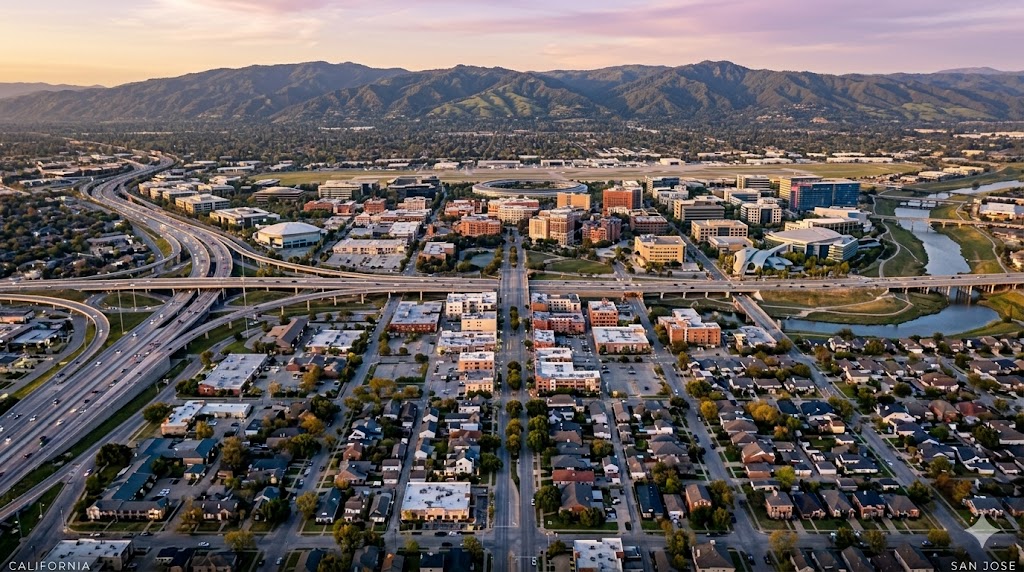
Become the Featured San Jose Realtor
Reach local buyers while they compare payments, down payments, neighborhoods, and mortgage options in San Jose.
Founding sponsor first month: $249. Regular placement: $599/month.
Claim This SpotSan Jose Home Buyer Guide for 2026
San Jose buyers are entering 2026 with one of the highest-cost housing markets in the country, with Zillow showing a typical home value of $1,452,609 as of April 2026. That price level makes loan structure, down payment size, commute location, property taxes, insurance risk, and school boundaries more important than in a lower-cost market. San Jose agents: bookmark this page as a buyer-education resource before your first consultation.
What San Jose Home Buyers Are Really Up Against in 2026
The biggest San Jose surprise is that even a strong local income can feel stretched because the market is built around Silicon Valley wages, limited inventory, and $1 million-plus home prices. Zillow shows a San Jose typical home value of $1,452,609 as of April 2026. Using a simple 28% front-end housing-cost rule, a buyer putting 20% down would have an estimated loan amount near $1,162,087. At the Freddie Mac PMMS 30-year fixed average of 6.36% for the week of May 14, 2026, principal and interest alone is about $7,239 per month, before property taxes, homeowners insurance, HOA dues, mortgage insurance, or other debts. That means the rough income needed for principal and interest alone is about $310,000 per year. Lenders still review total debts, credit score, reserves, taxes, insurance, and loan-program rules, but this shows why San Jose buyers must plan around full PITI, not just the sale price.
San Jose Mortgage Snapshot – Key Numbers at a Glance
San Jose’s median-price reality creates a very different mortgage conversation than most U.S. cities. A buyer near the Zillow typical value may need either a large down payment, a high-balance conforming loan, a jumbo loan, or a carefully structured combination depending on price, reserves, and lender rules.
| Detail | San Jose Number | Source |
|---|---|---|
| Median Home Price | $1,452,609, April 2026 | Zillow |
| Typical Loan Amount | About $1,162,087 with 20% down | Calculated |
| Current 30-Year Rate | 6.36%, week of May 14, 2026 | Freddie Mac PMMS |
| Est. Monthly P+I | About $7,239/month at 6.36% on a 30-year loan | Calculated |
| Minimum Down Payment | 3% conventional may exist for eligible buyers, but many San Jose buyers need more to fit loan limits or compete | FHFA |
| County Loan Limit | $1,249,125 for 2026 | HUD / FHFA |
Current Mortgage Rates in San Jose – What Buyers Are Seeing in 2026
Freddie Mac PMMS reported the national 30-year fixed average at 6.36% for the week of May 14, 2026. San Jose buyers may see rates above or below that benchmark depending on credit score, loan type, loan-to-value ratio, discount points, reserves, jumbo pricing, and lender competition. Because the Zillow typical home value is $1,452,609 and the 2026 Santa Clara County high-cost loan limit is $1,249,125, many buyers have to compare conventional high-balance pricing against jumbo pricing before writing offers. Buyers can also compare offers using the CFPB rate tool at https://www.consumerfinance.gov/owning-a-home/explore-rates/.
| Loan Type | Approx. Rate 2026 | Best For in San Jose |
|---|---|---|
| 30-Year Fixed | 6.36%, Freddie Mac PMMS, week of May 14, 2026 | Buyers who need the lowest stable monthly payment on a high-balance San Jose mortgage |
| 15-Year Fixed | Varies by lender — compare quotes | High-income San Jose buyers with strong cash flow who can handle a higher payment and want faster equity building |
| Jumbo Loan | Varies by lender and borrower profile | Buyers purchasing above the $1,249,125 2026 high-cost conforming limit or making a smaller down payment on a $1.4M+ home |
| VA Loan (veterans only) | Varies by lender and VA eligibility | Eligible veterans and active military buying in San Jose who want to compare 0% down VA structure against high-balance or jumbo options |
Best Loan Types for San Jose Buyers – Matched to This Market
San Jose is a high-cost mortgage market, so conventional high-balance and jumbo loans often matter more than basic low-price loan comparisons. Zillow shows a typical home value of $1,452,609 as of April 2026, while HUD and FHFA list the 2026 Santa Clara County high-cost loan limit at $1,249,125. FHA can still help some condo or townhouse buyers, but the city’s median price means many single-family buyers need high-balance conventional financing, jumbo financing, VA eligibility, or a larger down payment.
| Loan Type | Min Down | Min Credit | Best For in San Jose | Key Limit or Rule |
|---|---|---|---|---|
| High-Balance Conventional | As low as 3% for eligible buyers | Often 620 minimum, lender overlays may apply | San Jose buyers trying to stay at or under the $1,249,125 2026 conforming high-cost limit | $1,249,125 2026 Santa Clara County conforming limit, FHFA |
| Jumbo Loan | Often 10%–20% depending on lender and borrower profile | Varies by lender, often stronger credit and reserves required | Buyers targeting $1.4M–$2.2M homes in Willow Glen, Rose Garden, Almaden Valley, Silver Creek Valley, or other higher-cost areas | Used when the loan amount exceeds the 2026 FHFA conforming limit |
| FHA Loan | 3.5% | 580 for 3.5% down under standard FHA rules | San Jose condo or townhouse buyers who can keep the loan within the $1,249,125 2026 FHA limit and qualify under FHA property rules | $1,249,125 2026 Santa Clara County FHA limit, HUD |
| VA Loan | 0% | VA does not set one universal minimum score, but lenders usually apply their own standards | Eligible veterans and active military buying in San Jose who need a low-down-payment structure in a high-cost market | VA entitlement and lender rules apply; loan size must still meet approval and affordability standards |
What Salary Do You Need to Buy in San Jose? – 2026 Income Reality
San Jose’s income reality is harsh because Census ACS shows a local median household income of $146,427, while Zillow’s April 2026 typical home value is $1,452,609. Using Freddie Mac PMMS’s 6.36% 30-year fixed rate from the week of May 14, 2026, the table below uses a 20% down payment and the 28% front-end rule: monthly principal and interest divided by 0.28, then multiplied by 12. These figures do not include property tax, insurance, HOA dues, mortgage insurance, or other debts, so full lender approval may require more income than shown.
| Home Price | Down Payment | Loan Amount | Monthly P+I | Income Needed (28% rule) |
|---|---|---|---|---|
| $900,000 entry-level condo/townhome target | $180,000 | $720,000 | About $4,485 | $4,485 ÷ 0.28 × 12 = about $192,206/year |
| $1,452,609 Zillow typical home value | $290,522 | $1,162,087 | About $7,239 | $7,239 ÷ 0.28 × 12 = about $310,222/year |
| $1,800,000 upper San Jose single-family target | $360,000 | $1,440,000 | About $8,970 | $8,970 ÷ 0.28 × 12 = about $384,412/year |
Compared with the Census ACS median household income of $146,427, the $900,000 scenario is already stretched for a typical local household, especially once Santa Clara County property taxes and insurance are added. The Zillow typical-value scenario is difficult for many single-income or median-income households unless they bring a large down payment, dual high incomes, or outside assets. The $1.8M scenario fits higher-income tech, executive, or equity-backed buyers more than the average San Jose household.
San Jose Housing Market in 2026 – What the Data Shows Right Now
Zillow’s April 2026 data shows San Jose’s typical home value at $1,452,609, down 2.5% year over year. Redfin’s March 2026 data shows homes moving quickly, with a 10-day median time on market, while HousingWire reported only 1.1 months of supply in late 2025. That combination means prices may not be rising sharply, but buyers still face a tight market where well-located homes near strong schools, commute corridors, or established neighborhoods can move fast.
One major San Jose market driver is the VTA BART Silicon Valley Phase II extension, which is planned to connect Berryessa/North San José through Downtown San José, Diridon, and Santa Clara. For buyers, this matters because Diridon and downtown-adjacent areas are not just housing searches; they are long-term commute and redevelopment bets. The same $1,452,609 Zillow typical value can feel very different depending on whether the home is near BART, Caltrain, VTA light rail, an airport commute route, or a car-dependent foothill area.
Rent vs. Buy in San Jose – Honest Math for 2026
RentCafe shows the average San Jose two-bedroom rent at $3,473 per month as of April 2026. Buying at Zillow’s $1,452,609 typical home value creates a much larger monthly commitment because principal and interest at Freddie Mac PMMS’s 6.36% rate must be combined with Santa Clara County property tax and a property-specific insurance quote from the California Department of Insurance or the buyer’s insurer.
| Factor | Renting | Buying (low down) | Buying (20% down) |
|---|---|---|---|
| Monthly Cost | $3,473 average 2BR rent | About $8,777 P+I plus about $1,453/month property tax before insurance, HOA, and mortgage insurance | About $7,239 P+I plus about $1,453/month property tax before insurance and HOA |
| Down Payment Required | Deposit only | About $43,578 at 3% down | About $290,522 at 20% down |
| Property Tax / Month | Included in rent | About $1,453/month using a 1.2% midpoint from the Santa Clara County property tax range in the Data Pack | About $1,453/month using a 1.2% midpoint from the Santa Clara County property tax range in the Data Pack |
| Equity After 5 Years | $0 from ownership | About $92,167 principal paydown only, assuming no appreciation | About $76,014 principal paydown only, assuming no appreciation |
| Flexibility | High | Low–Medium | Low–Medium |
The honest case for renting is strong in San Jose because RentCafe’s $3,473 two-bedroom rent is far below the payment structure on a typical-value purchase. The honest case for buying is that a 20% down buyer could still pay down about $76,014 of principal over five years, even before any future appreciation is considered. The tradeoff is not simple: buying can build ownership and location control, but in San Jose it requires very high income, large cash reserves, and careful review of property tax, insurance, HOA, commute, flood, earthquake, and wildfire exposure. The mortgage calculator on this page can run your exact numbers.
Down Payment Options in San Jose – From 0% to 20% Explained
Because Zillow shows San Jose’s typical home value at $1,452,609 and HUD/FHFA list the 2026 Santa Clara County loan limit at $1,249,125, many local buyers need more than a minimum down payment to keep the loan amount inside high-balance conforming or FHA limits. Freddie Mac says PMI varies by credit score, down payment, and loan structure; using the Data Pack’s PMI assumption of 0.20%–1.50% annually, PMI on a 3% down conventional loan at the San Jose typical value could range from about $235 to $1,761 per month before lender-specific pricing.
| Down % | Dollar Amount (median price) | Loan Type | Monthly PMI / MIP Est. | Notes |
|---|---|---|---|---|
| 0% | $0 | VA loan | None | For eligible veterans and active military; lender approval and VA eligibility still apply |
| 3% | About $43,578 | Conventional HomeReady / Home Possible if eligible | About $235–$1,761/month using the Data Pack PMI assumption | At San Jose’s typical value, 3% down creates a loan above the 2026 conforming limit, so many buyers may need jumbo pricing or a larger down payment |
| 3.5% | About $50,841 | FHA | About $642/month annual MIP using the Data Pack FHA MIP assumption, plus upfront MIP | 580+ credit is commonly required for 3.5% down; the loan amount must still fit FHA limits and property rules |
| 10% | About $145,261 | Conventional or jumbo | About $218–$1,634/month using the Data Pack PMI assumption if PMI applies | Useful for strong San Jose buyers who need a lower loan amount but cannot reach 20% down |
| 20% | About $290,522 | Conventional or jumbo | None | No PMI; often the cleanest structure for a high-cost San Jose purchase |
Credit Score Requirements for San Jose Home Buyers in 2026
Credit score matters more in San Jose because a small rate or PMI difference is applied to a very large loan amount. The Data Pack does not provide a verified 620-versus-740 rate spread, so buyers should not rely on a made-up payment difference; instead, they should compare current quotes with the CFPB rate tool and ask lenders to price the same San Jose loan amount, down payment, and points structure side by side.
- 500–579: FHA may allow 10% down under standard rules, but at San Jose’s $1,452,609 typical value, the bigger challenge is fitting the loan amount, payment, reserves, and property into FHA and lender rules.
- 580–619: FHA may allow 3.5% down under standard rules, but FHA mortgage insurance applies, and on a high-cost San Jose purchase the payment can still be difficult even when the buyer meets the minimum score rule.
- 620–679: Conventional financing may become available, but rate and PMI pricing depend on lender, loan-to-value ratio, reserves, and credit profile; at San Jose’s price level, buyers in this band should compare high-balance conventional and jumbo quotes carefully.
- 680–739: Stronger conventional pricing and lower PMI may be available, but the buyer still needs enough income and cash to handle a $1M-plus San Jose loan, Santa Clara County property tax, insurance, and possible HOA dues.
- 740+: This score range usually receives stronger conventional pricing, but San Jose buyers should still compare lenders because jumbo, high-balance, discount points, and reserve requirements can change the real monthly payment.
FHA vs. Conventional in San Jose – Which Loan Saves You More?
In San Jose, FHA can help some condo or townhouse buyers, but it does not fully solve the city’s high-price problem. Zillow shows a typical San Jose home value of $1,452,609, while HUD lists the 2026 Santa Clara County FHA loan limit at $1,249,125. That means the FHA limit is $203,484 below the Zillow typical value before even considering the required down payment. Conventional high-balance financing has the same 2026 FHFA limit of $1,249,125, but conventional loans may give stronger borrowers more flexibility with PMI removal, jumbo alternatives, and larger down payment structures.
| Factor | FHA Loan | Conventional Loan | Winner for San Jose Buyers |
|---|---|---|---|
| Min Down Payment | 3.5% | 3%–20% | Conventional wins for flexibility because San Jose buyers often need to adjust down payment size to stay near the 2026 loan limit or compete in higher-price neighborhoods. |
| Min Credit Score | 580 for 3.5% down under standard FHA rules | 620 is commonly required for conventional | FHA wins for lower-score buyers, but only if the San Jose property price and loan amount fit FHA rules. |
| Mortgage Insurance | 1.75% upfront MIP plus commonly 0.55% annual MIP for many 30-year FHA borrowers | PMI may range from about 0.20%–1.50% annually depending on credit score, down payment, and lender | Conventional wins for stronger San Jose buyers because PMI may be removable after enough equity, subject to lender rules. |
| Loan Limit (this county) | $1,249,125 for 2026, HUD | $1,249,125 for 2026, FHFA | Neither fully covers the $1,452,609 Zillow typical value with a tiny down payment, so down payment planning matters more than the label. |
| Monthly Payment (median price) | About $8,695 principal and interest before FHA mortgage insurance, using 3.5% down and Freddie Mac PMMS’s 6.36% rate | About $7,239 principal and interest before PMI, using 20% down and Freddie Mac PMMS’s 6.36% rate | Conventional is lower by about $1,456/month before mortgage insurance because the 20% down loan amount is much smaller. |
| Total Cost Over 5 Years | About $521,700 in principal and interest before FHA mortgage insurance | About $434,340 in principal and interest before PMI | Conventional wins by about $87,360 over five years before mortgage insurance, mainly because the loan amount is lower with 20% down. |
Closing Costs in San Jose / California – What to Budget in 2026
The Data Pack gives a San Jose planning range of about 0.5%–1.0% of purchase price for many Silicon Valley buyer closing costs, excluding down payment and large optional discount points. On Zillow’s $1,452,609 typical San Jose value, that equals about $7,263 to $14,526. California and San Jose can also involve transfer-tax and recording rules; San Jose’s Measure E applies to transfers over $2.3 million, so buyers near that price point should review the city’s real property transfer tax rules before closing. CFPB also recommends reviewing the Loan Estimate and Closing Disclosure carefully because final costs vary by lender, title company, escrow setup, prepaid taxes, insurance, and points.
| Cost Item | Typical Range | Estimated on San Jose Median Price |
|---|---|---|
| Loan Origination Fee | Varies by lender | Not calculated because the Data Pack does not provide a lender-fee assumption |
| Appraisal | Varies by property and lender | Not calculated because the Data Pack does not provide an appraisal-cost assumption |
| Title Insurance | In Northern California, the buyer customarily pays the owner’s title insurance premium; lender’s title policy is almost always paid by the buyer | Varies by purchase price, title company, and policy structure |
| California / San Jose Transfer Tax or Fee | San Jose Measure E applies to transfers over $2.3 million; other county or city conveyance rules may apply | Not calculated for the $1,452,609 typical value because Measure E starts above $2.3 million |
| Prepaid Escrow | 2–3 months taxes plus insurance | About $2,905–$4,358 for 2–3 months of property taxes using a 1.2% planning midpoint, plus property-specific insurance |
| Total Estimate | 0.5%–1.0% planning range from the Data Pack | About $7,263–$14,526 before down payment, optional points, and property-specific insurance |
Monthly Mortgage Payment Examples for San Jose – Real PITI Numbers
PITI means principal, interest, taxes, and insurance, and in San Jose that full number matters more than the headline home price. The examples below use Freddie Mac PMMS’s 6.36% 30-year fixed rate, a 1.2% property-tax planning midpoint from the Santa Clara County range in the Data Pack, and the Data Pack’s mortgage-insurance assumptions where applicable. Homeowners insurance is property-specific in California, especially where flood, earthquake, or wildfire exposure may affect coverage, so the table keeps insurance separate instead of inventing a quote.
| Home Price | Down Payment | P + I | Tax / Mo | Insurance / Mo | PMI / Mo | Total PITI |
|---|---|---|---|---|---|---|
| $900,000 entry condo/townhome target | $180,000 | About $4,485 | About $900 | Property-specific quote required | N/A with 20% down | About $5,385 plus insurance |
| $1,452,609 Zillow typical home value | $290,522 | About $7,239 | About $1,453 | Property-specific quote required | N/A with 20% down | About $8,692 plus insurance |
| $1,800,000 upper San Jose target | $360,000 | About $8,970 | About $1,800 | Property-specific quote required | N/A with 20% down | About $10,770 plus insurance |
Census ACS shows San Jose’s median household income at $146,427, so even the entry example can be difficult for a typical local household once property tax, insurance, HOA dues, reserves, and other debts are included.
First-Time Buyer Programs in San Jose – Real Help Available in 2026
San Jose first-time buyers may have access to state and local assistance, but the city’s high prices mean assistance must be matched carefully with income limits, loan limits, property type, and payment comfort. The Data Pack includes two real programs: CalHFA’s California Dream For All Shared Appreciation Loan and Housing Trust Silicon Valley’s Home Access Program.
- California Dream For All Shared Appreciation Loan: Administered by CalHFA at https://www.calhfa.ca.gov/dream/, this program can provide up to 20% for down payment or closing costs, not to exceed $150,000. The Data Pack lists the 2026 Santa Clara County income limit at $309,000. Buyers apply through a CalHFA-approved lender and must follow CalHFA eligibility, education, income, and first-generation or first-time buyer rules where applicable.
- Home Access Program: Administered by Housing Trust Silicon Valley at https://housingtrustsv.org/programs/homebuyer-assistance/home-access-loan-program/, this program can provide up to 40% of the purchase price, up to $200,000. The Data Pack notes that it is intended for low-income first-time homebuyers, with exact income limits requiring program confirmation. Buyers should review eligibility with Housing Trust Silicon Valley and coordinate the program with their lender before making an offer.
Premium & Established Neighborhoods in San Jose
Premium in San Jose usually means more than a large home. Buyers pay for school access, commute position, lot quality, established streets, neighborhood identity, and proximity to Silicon Valley job centers. The Data Pack names Willow Glen, Rose Garden, Almaden Valley, Silver Creek Valley, and Evergreen foothills as luxury or established San Jose areas.
Willow Glen
Willow Glen commands a premium because of its established residential feel, walkable business district, tree-lined streets, and central location within San Jose. Buyers are often higher-income professionals or families who want a neighborhood identity without moving far from downtown, Diridon, or major commute routes. The main buyer consideration is competition for well-kept homes, plus the need to check lot condition, renovation quality, school boundaries, and commute timing street by street.
Rose Garden
Rose Garden draws premium demand because of historic character, mature landscaping, and proximity to central San Jose, Santa Clara, and major employment corridors. Buyers here often value architecture, neighborhood prestige, and shorter access to downtown or airport-area job centers. The limitation is that older homes can carry renovation, seismic, foundation, and insurance considerations that should be reviewed before waiving too many contingencies.
Almaden Valley
Almaden Valley’s price premium is driven by suburban space, foothill setting, family-oriented demand, and access to established schools and parks. Buyers are often move-up families or high-income households looking for more room than central San Jose neighborhoods usually provide. The key consideration is commute dependence because many parts of Almaden are more car-oriented, and buyers should also review wildfire-adjacent insurance concerns in foothill-edge locations.
Silver Creek Valley
Silver Creek Valley appeals to buyers seeking larger homes, gated or planned-community settings, hillside views, and a more private residential environment. Typical buyers are high-income households, executives, or move-up buyers who prioritize space and neighborhood presentation over walkability. The honest limitation is that HOA dues, commute distance, insurance review, and resale demand can vary by subdivision, so buyers should compare the full monthly cost and not just the listing price.
Most Affordable & Fast-Growing Neighborhoods in San Jose – Where Value Buyers Are Looking
In San Jose, “affordable” does not mean low-cost in a national sense. Zillow shows a typical San Jose home value of $1,452,609, so value buyers are often looking for relative affordability, smaller homes, condos, townhomes, commute tradeoffs, or areas where future transit and redevelopment may support long-term demand.
Berryessa
Berryessa is attractive to value-focused San Jose buyers because it has access to the Berryessa/North San José BART station and sits near major commute routes. It can suit first-time buyers, tech workers, and commuters who want a San Jose address with stronger transit access than many car-dependent neighborhoods. The tradeoff is that buyers should compare HOA dues, commute patterns, and school boundaries carefully before offering.
Blossom Valley
Blossom Valley often appeals to buyers looking for more relative value compared with central premium areas like Willow Glen or Rose Garden. It can suit first-time buyers, move-up buyers, or downsizers who want suburban housing options while staying within San Jose. The buyer tradeoff is that many parts of Blossom Valley are car-dependent, so commute time and access to VTA or freeway routes should be checked before choosing a home.
Cambrian Park
Cambrian Park is a practical value area for buyers who want a residential feel and access to the broader West Valley job corridor without paying the highest prices in San Jose’s most premium pockets. It can suit families, move-up buyers, and buyers comparing San Jose with nearby communities like Campbell or Los Gatos. The tradeoff is that property condition, school boundary, and lot-by-lot pricing can vary, so buyers should not assume every listing has the same long-term value profile.
Evergreen
Evergreen gives buyers a mix of established residential areas, hillside-adjacent homes, and relative value compared with some west-side and central San Jose neighborhoods. It can suit families and move-up buyers looking for more space while staying connected to San Jose’s employment base. The tradeoff is that some areas can require longer car-based commutes, and foothill-edge homes should be reviewed for insurance, wildfire, and property-condition considerations.
West San Jose
West San Jose attracts buyers because of its proximity to major Silicon Valley job centers and neighboring West Valley communities. It can suit first-time buyers with stronger budgets, move-up buyers, and commuters who want practical access to work corridors. The tradeoff is that competition can be strong, and buyers should compare condo, townhome, and single-family options carefully against HOA dues, school boundaries, and commute needs.
Up-and-Coming Areas in San Jose – Where Smart Buyers Are Looking in 2026
San Jose’s changing areas are tied closely to transit, redevelopment, and long-term employment access. The biggest opportunities are not just about lower prices; they are about whether a location is positioned near infrastructure, downtown investment, or future commute improvements.
Diridon Station Area
The Diridon Station Area is one of San Jose’s most important changing areas because it sits around a major Caltrain, VTA, Amtrak, and ACE hub. The VTA BART Silicon Valley Phase II extension is planned to connect through Downtown San José and Diridon, which can support long-term buyer interest in transit-oriented locations. The risk is that redevelopment areas can change slowly, so buyers should evaluate current livability, parking, noise, construction timing, and resale assumptions instead of relying only on future plans.
Downtown West
Downtown West is tied to San Jose’s broader downtown redevelopment story and the long-term future of the Diridon corridor. Buyers interested in this area may be looking for walkability, transit access, job-center proximity, and potential long-term urban growth. The tradeoff is that downtown-adjacent buying requires careful review of HOA rules, parking, building reserves, noise, insurance, and whether the property fits the buyer’s lifestyle today.
Berryessa BART Urban Village
The Berryessa BART Urban Village benefits from existing BART access and San Jose’s urban village planning framework. It can appeal to buyers who want a transit-connected location while staying outside the highest-profile downtown core. The risk is that buyers must compare current neighborhood amenities, traffic, school boundaries, and condo or townhome HOA costs before assuming transit access alone creates the best value.
Areas in San Jose Buyers Should Research Carefully Before Offering
In San Jose, careful research does not mean avoiding an area. It means checking flood maps, commute routes, school boundaries, insurance exposure, older housing conditions, and resale factors before writing a strong offer in a fast-moving market.
Alviso and Flood-Zone Areas
The San Jose Public Works flood-hazard information in the Data Pack identifies flood-zone review as important for areas such as Alviso and other low-lying or creek-adjacent locations. Buyers should check the FEMA Flood Map Service Center at https://msc.fema.gov/portal/home, ask the lender whether flood insurance is required, and compare the added monthly cost before offering.
Coyote Creek-Adjacent Areas
The Data Pack flags Coyote Creek-adjacent areas for flood-related due diligence using San Jose Public Works flood-hazard information. Buyers should review FEMA flood maps, property disclosures, elevation details, insurance requirements, and inspection findings before assuming a lower purchase price equals a lower long-term cost.
Foothill-Edge Areas
The Data Pack lists wildfire as a San Jose risk flag, and foothill-edge locations can require more careful insurance review than flatter urban areas. Buyers should request insurance quotes early, review defensible-space or wildfire-related requirements where applicable, and budget for inspection, roof, plumbing, electrical, and appraisal review on older homes.
San Jose's Economy in 2026 – Why People Move Here (and Stay)
San Jose’s economy is built around technology, semiconductors, AI infrastructure, cybersecurity, cloud and networking, San José Mineta International Airport, health care, higher education, and downtown redevelopment. The Data Pack also identifies the VTA BART Silicon Valley Phase II extension and the Downtown West / Diridon corridor as major local market drivers. That matters for buyers because housing demand is closely tied to commute access, job proximity, and long-term confidence in Silicon Valley employment.
Census ACS shows San Jose median household income at $146,427, which equals about $12,202 per month before taxes. Using Zillow’s $1,452,609 typical home value, 20% down, Freddie Mac PMMS’s 6.36% 30-year fixed rate, and a 1.2% property-tax planning midpoint from the Data Pack, the monthly cost is about $7,239 principal and interest plus about $1,453 in property tax, or about $8,692 before insurance, HOA, and other costs. $8,692 ÷ $12,202 = about 71% of gross monthly income, so the median-price San Jose purchase is difficult for a household earning the city median income unless the buyer has a large down payment, unusually low debts, or higher income.
Property Taxes in San Jose – What It Really Adds to Your Monthly Payment
Santa Clara County Department of Tax and Collections information in the Data Pack shows that San Jose property taxes commonly need a planning range around 1.1%–1.3% of assessed value, with local bonds and assessments varying by tax-rate area. Using a 1.2% planning midpoint on Zillow’s $1,452,609 typical San Jose value: $1,452,609 × 1.2% = about $17,431 per year, and $17,431 ÷ 12 = about $1,453 per month. That amount is added on top of principal and interest, homeowners insurance, possible HOA dues, and any mortgage insurance. California’s Homeowners’ Exemption can reduce the taxable value of a qualifying owner-occupied primary residence by up to $7,000, according to the Santa Clara County taxpayer programs source in the Data Pack, but buyers should still budget around the full monthly tax impact before choosing a price range.
Promote Your San Jose Buyer Services
Get visibility inside a city buyer guide built for people researching home prices, loan types, and affordability.
Founding sponsor first month: $199. Regular placement: $399/month.
Reserve This SpotHomeowners Insurance in San Jose – Costs and What to Watch For
San Jose homeowners insurance should be quoted property by property because the Data Pack does not provide a verified average annual homeowners insurance premium. Buyers should use the California Department of Insurance at https://www.insurance.ca.gov/ to compare coverage questions, then request quotes early because San Jose has flood, earthquake, and wildfire considerations that can affect lender approval and monthly cost.
Flood Risk
A standard homeowners insurance policy does not cover flooding. San Jose buyers, especially those reviewing Alviso, Coyote Creek-adjacent areas, or other flood-hazard zones, should check the FEMA Flood Map Service Center at https://msc.fema.gov/portal/home and review NFIP information at https://www.floodsmart.gov/. The Data Pack lists about $942 per year as a California NFIP average, but the actual San Jose cost depends on FEMA zone, elevation, coverage amount, lender requirements, and insurer rules.
Earthquake Risk
Earthquake damage is usually not covered by a standard homeowners policy. San Jose buyers should review separate earthquake coverage through the California Earthquake Authority at https://www.earthquakeauthority.com/ or a private insurer because cost can vary by location, structure type, year built, retrofit status, coverage amount, and deductible. This matters most for older homes, hillside locations, and buyers stretching their cash reserves after a large down payment.
Wildfire Risk
Wildfire-related coverage can affect insurer availability, premiums, deductibles, and underwriting in parts of California. San Jose buyers looking near foothill-edge areas, Evergreen foothills, Almaden Valley edges, or other higher-risk locations should request insurance quotes before removing contingencies. The California FAIR Plan at https://www.cfpnet.com/ may be relevant when standard-market coverage is limited, but buyers should compare total coverage, exclusions, and cost carefully.
HOA Fees in San Jose – What Buyers Need to Know Before Making an Offer
HOA fees are common in San Jose condos, townhomes, downtown buildings, newer attached-home projects, gated communities, and some planned subdivisions. The Data Pack does not provide a verified average HOA range, so buyers should not assume one fixed monthly number; HOA dues vary by building age, amenities, reserves, insurance, parking, elevators, roofs, landscaping, and litigation or repair history. Older single-family areas such as parts of Willow Glen and Rose Garden may have no HOA, while condo and townhome buyers near Downtown, Berryessa, North San Jose, and Silver Creek-style planned communities should read the HOA budget, reserve study, meeting minutes, insurance master policy, rental rules, and special-assessment history before offering.
Commute & Transportation in San Jose – What Buyers Should Factor In
Census ACS data in the Data Pack shows an average San Jose commute time of 27.3 minutes, but the real buyer experience changes sharply by neighborhood, job location, and transit access. The Data Pack describes San Jose as a mixed car/transit market: Diridon, Downtown, Berryessa BART, VTA light rail, and airport-connected areas can offer stronger transit access, while Almaden, Evergreen, Blossom Valley, and foothill-edge neighborhoods are often more car-dependent. Diridon is the key Caltrain, VTA, Amtrak, and ACE hub, while Berryessa/North San José BART already supports East Bay access. VTA BART Phase II is planned to add Downtown San José, Diridon, and Santa Clara stations, so buyers should weigh commute time, road noise, parking, transit distance, and future resale convenience before choosing between a lower price and a better commute location.
Schools & Universities in San Jose – What Buyers with Families Need to Know
San Jose buyers should verify current school boundaries, enrollment rules, ratings, and assignment policies before making an offer because the same city address can fall into different districts. The Data Pack lists San Jose Unified, East Side Union High, Alum Rock Union, Berryessa Union, Cambrian, Campbell Union, Evergreen, Franklin-McKinley, and Oak Grove as primary school districts affecting San Jose buyers. It also lists nearby suburban districts such as Fremont Union High, Cupertino Union, Los Gatos-Saratoga Joint Union High, Campbell Union High, and Santa Clara Unified, which can influence buyer comparisons across the broader Santa Clara County market. San José State University, Santa Clara University, Stanford University, De Anza College, and West Valley College may support student, faculty, staff, and rental demand in parts of the region, but investment results still depend on purchase price, rent level, HOA rules, vacancy, commute access, and local regulations.
Real Buyer Scenarios in San Jose – Low, Mid, and Higher Income
Maria is a first-time buyer earning within the lower San Jose buyer range from the Data Pack. She is looking at a smaller condo or townhome in a relative-value area such as Berryessa or Blossom Valley because she wants to stay connected to San Jose jobs without stretching into the city’s highest-priced single-family neighborhoods. Her goal is not to buy the biggest home possible; it is to find a payment that leaves room for commuting costs, insurance, emergency savings, and future repairs.
For an illustrative $850,000 San Jose condo or townhome purchase, a 10% down payment would be $85,000 and the loan amount would be $765,000. Using Freddie Mac PMMS’s 6.36% 30-year fixed rate from the Data Pack, principal and interest would be about $4,765 per month. Using a 1.2% property-tax planning midpoint from the Santa Clara County property-tax range in the Data Pack, property tax would be $850,000 × 1.2% = $10,200 per year, or about $850 per month. Conventional PMI may range from about 0.20%–1.50% annually depending on credit score, down payment, and lender, so PMI on a $765,000 loan could be about $128–$956 per month. That puts the payment at about $5,743–$6,571 per month before homeowners insurance, HOA dues, and any property-specific flood, earthquake, or wildfire-related insurance cost. If Maria qualifies for Housing Trust Silicon Valley’s Home Access Program, the Data Pack says the program may provide up to 40% of purchase price, up to $200,000, subject to eligibility and program rules at https://housingtrustsv.org/programs/homebuyer-assistance/home-access-loan-program/.
Maria’s realistic outcome is that buying may be possible only if the property type, HOA cost, assistance rules, and lender approval all work together. If Maria qualified for a $200,000 Home Access assistance structure that reduced the first mortgage from $765,000 to $565,000, principal and interest could change from about $4,765 to about $3,519, a difference of about $1,246 per month before other costs. (illustrative scenario)
Daniel is a mid-income San Jose buyer with stronger household income but not enough cash to feel comfortable in the city’s highest-price neighborhoods. He is comparing Cambrian Park, West San Jose, and parts of Evergreen because he wants access to Silicon Valley job corridors while still keeping the payment below a risky level. His goal is a townhome or smaller single-family home where the commute, school boundary, and monthly cost all make sense together.
For an illustrative $1,150,000 San Jose purchase, a 15% down payment would be $172,500 and the loan amount would be $977,500. At the Freddie Mac PMMS 6.36% rate in the Data Pack, principal and interest would be about $6,089 per month. Property tax using the 1.2% planning midpoint would be $1,150,000 × 1.2% = $13,800 per year, or about $1,150 per month. Conventional PMI on a $977,500 loan, using the Data Pack PMI assumption of 0.20%–1.50% annually, could be about $163–$1,222 per month depending on credit score, down payment, and lender. That puts Daniel’s estimated payment at about $7,402–$8,461 per month before homeowners insurance and HOA dues. Because San Jose condos and townhomes often include HOA fees, Daniel also needs to review the HOA budget, insurance master policy, reserves, and special-assessment history before offering.
Daniel’s outcome is stronger than Maria’s because his loan amount may fit inside San Jose’s 2026 high-cost conforming limit of $1,249,125, but the full payment is still large compared with the Census ACS median household income of $146,427. If Daniel increased the down payment from 15% to 20%, the loan amount would drop from $977,500 to $920,000, principal and interest would fall from about $6,089 to about $5,731, and PMI may be avoided, subject to lender rules. That change could reduce the payment by about $358 per month plus any avoided PMI. (illustrative scenario)
Aisha is a higher-income San Jose buyer working in the local technology economy described in the Data Pack. She is looking in premium or established areas such as Willow Glen, Rose Garden, Almaden Valley, or Silver Creek Valley because she wants a long-term home with stronger neighborhood identity, commute access, or space. Her goal is to buy once, avoid underestimating the full PITI cost, and compare jumbo pricing before writing an offer.
For an illustrative $1,800,000 San Jose purchase, a 20% down payment would be $360,000 and the loan amount would be $1,440,000, which is above the 2026 FHFA conforming limit of $1,249,125 in the Data Pack and may require jumbo pricing. Using the Data Pack’s Freddie Mac PMMS 6.36% benchmark for illustration, principal and interest would be about $8,970 per month. Property tax using the 1.2% planning midpoint would be $1,800,000 × 1.2% = $21,600 per year, or about $1,800 per month. With 20% down, PMI is not included in this example, but homeowners insurance still requires a property-specific quote, especially for hillside, wildfire-adjacent, older, or earthquake-sensitive properties. The estimated payment is about $10,770 per month before homeowners insurance, HOA dues, and any property-specific insurance requirements.
Aisha’s outcome is that she may be financially qualified but still needs to compare jumbo terms, reserves, insurance, commute pattern, and property condition before choosing the home. If Aisha shops lenders and finds a rate 0.25 percentage points lower on a $1,440,000 loan, principal and interest could change by about $234 per month, or about $84,231 over 30 years. (illustrative scenario)
Mistakes San Jose Buyers Make – and What They Actually Cost
- Shopping by list price instead of full PITI. Zillow shows a San Jose typical home value of $1,452,609, and using a 20% down payment, Freddie Mac PMMS’s 6.36% rate, and a 1.2% property-tax midpoint, the payment is about $7,239 principal and interest plus about $1,453 in property tax before insurance, HOA, or other costs.
- Assuming FHA or conventional high-balance automatically covers the home. HUD and FHFA list the 2026 Santa Clara County limit at $1,249,125, while the Zillow typical value is $1,452,609, so buyers may need a larger down payment, jumbo pricing, or a lower purchase price to fit the loan structure.
- Not checking flood, earthquake, or wildfire zone before offer. San Jose buyers should review FEMA flood maps at https://msc.fema.gov/portal/home, earthquake coverage through the California Earthquake Authority, and wildfire-related insurance options early because the Data Pack does not provide one guaranteed insurance cost for every property.
- Not shopping 3+ lenders. On a $1,162,087 loan based on 20% down from the Zillow typical value, a 6.61% rate instead of the Data Pack’s 6.36% rate would raise principal and interest from about $7,239 to about $7,429, or about $191 per month and about $68,736 over 30 years. This is an illustrative rate-shopping example, not a guaranteed saving; buyers can compare quotes using https://www.consumerfinance.gov/owning-a-home/explore-rates/.
- Underestimating PMI or down payment pressure. At 3% down on the Zillow typical value, the down payment is about $43,578 and the loan amount is about $1,409,031, which is above the 2026 conforming high-cost limit and may require jumbo treatment or a different structure; PMI can also vary by credit score, down payment, and lender.
Practical Tips for San Jose Buyers in 2026 – City-Specific Advice
- Check risk zones before offer. San Jose has flood, earthquake, and wildfire flags in the Data Pack, so buyers should review FEMA flood maps at https://msc.fema.gov/portal/home, request insurance quotes early, and avoid assuming every property has the same coverage options.
- Use the California Homeowners’ Exemption correctly. The Data Pack says a qualifying owner-occupied primary residence may receive up to a $7,000 taxable-value reduction through Santa Clara County, so buyers should confirm eligibility after purchase through the official county process.
- Shop rates before writing offers. On a $1,162,087 loan, a 0.25 percentage point rate difference can change principal and interest by about $191 per month, or about $68,736 over 30 years, using the Data Pack rate math; compare current quotes at https://www.consumerfinance.gov/owning-a-home/explore-rates/.
- Match neighborhood choice to commute reality. Diridon, Downtown, Berryessa BART, VTA light rail, and airport-connected areas can behave differently from car-dependent areas such as Almaden, Evergreen, Blossom Valley, and foothill-edge neighborhoods.
- Protect your credit profile before loan shopping. San Jose’s most common high-cost loan structures can be sensitive to credit score, reserves, debt-to-income ratio, and PMI or jumbo pricing, so avoid new debt, large unexplained deposits, or major credit changes before pre-approval.
- Check assistance before touring homes. CalHFA’s California Dream For All program may provide up to 20% for down payment or closing costs, not to exceed $150,000, and Housing Trust Silicon Valley’s Home Access Program may provide up to $200,000, subject to eligibility and program rules.
Frequently Asked Questions – San Jose Mortgage & Home Buying 2026
What credit score do I need to buy a home in San Jose?
You may qualify for FHA with a 580 score for 3.5% down, FHA with 500–579 if 10% down is allowed by the lender, and conventional financing commonly starts around 620, while 740+ often helps with stronger pricing. In San Jose, the bigger issue is that Zillow shows a typical home value of $1,452,609, so even a technically eligible score may not be enough without the income, cash, reserves, and loan structure to support the payment. The Data Pack does not provide a verified 620-versus-740 rate spread, so your next step is to compare quotes using the CFPB rate tool and ask lenders to price the same loan amount, down payment, and points structure.
What is the minimum down payment to buy in San Jose?
The minimum down payment can be 0% for eligible VA borrowers, 3% for some conventional programs, and 3.5% for FHA, but San Jose’s price level makes the real answer more complicated. On Zillow’s $1,452,609 typical value, 3% down is about $43,578, 3.5% down is about $50,841, and 20% down is about $290,522. HUD and FHFA list the 2026 Santa Clara County loan limit at $1,249,125, so buyers should ask a lender whether their down payment keeps the loan inside high-balance limits or pushes the loan into jumbo territory.
Are property taxes high in San Jose?
San Jose property taxes are not flagged as unusually high in the Data Pack, but the monthly dollar amount is still large because home prices are high. Using Zillow’s $1,452,609 typical value and a 1.2% planning midpoint from the Santa Clara County property-tax range in the Data Pack, estimated property tax is $1,452,609 × 1.2% = about $17,431 per year, or about $1,453 per month. California’s Homeowners’ Exemption may reduce the taxable value of a qualifying owner-occupied primary residence by up to $7,000, so your next step is to confirm the current exemption process with Santa Clara County after purchase.
Is San Jose at risk of flood, earthquake, or wildfire?
Yes, the Data Pack flags San Jose for flood, earthquake, and wildfire risk. Buyers should check FEMA flood maps at https://msc.fema.gov/portal/home, review NFIP information at https://www.floodsmart.gov/, compare earthquake coverage through the California Earthquake Authority, and request wildfire-related insurance quotes early for foothill-edge or higher-risk areas. The Data Pack lists about $942 per year as a California NFIP average, but actual insurance cost depends on property location, coverage amount, deductible, structure, elevation, and insurer, so the next step is to check the exact address before removing contingencies.
What are typical closing costs in San Jose / California?
Typical San Jose buyer closing costs in the Data Pack are about 0.5%–1.0% of the purchase price for many Silicon Valley transactions, excluding down payment and large optional discount points. On Zillow’s $1,452,609 typical value, that planning range equals about $7,263 to $14,526 before property-specific items, lender charges, escrow setup, title charges, prepaid taxes, insurance, and points. CFPB recommends reviewing the Loan Estimate and Closing Disclosure carefully, so your next step is to ask your lender for an itemized estimate before making an offer.
Is 2026 a good time to buy in San Jose?
2026 can be a reasonable time to buy in San Jose only if the payment, down payment, commute, insurance, and loan structure work for your household. Zillow shows the typical San Jose value at $1,452,609 and down 2.5% year over year, while Redfin shows homes moving in about 10 days, so buyers may see some price softness but still face fast competition for well-located homes. RentCafe shows average two-bedroom rent at $3,473, which is far below many ownership-payment examples, so your next step is to run the calculator for renting, 10% down, and 20% down before deciding.
When to Talk to a Lender or Realtor in San Jose – Honest Timing Advice
In San Jose, it is smart to talk to a lender before serious touring because Redfin’s Data Pack figure shows homes moving in about 10 days. Pre-qualification is an early estimate based on basic information, while pre-approval usually involves a deeper review of income, credit, assets, debts, and loan fit. In a market with $1M-plus pricing and a $1,249,125 high-cost loan limit, the stronger step is pre-approval before making offers.
- When you know your target range, get pre-approved before comparing Berryessa, Cambrian Park, West San Jose, Willow Glen, or Almaden Valley homes.
- When you have 3–6 months of savings history, ask a lender to review reserves, down payment funds, and whether your cash position fits high-balance or jumbo rules.
- When you start touring actively, treat the 10-day Redfin market pace as a reason to prepare documents before you find the home.
- When you may use assistance, ask about CalHFA Dream For All or Housing Trust Silicon Valley Home Access before making an offer because program rules and approved-lender steps can affect timing.
Ready to Buy in San Jose? Here Is Where to Start
San Jose’s biggest buyer challenge is the gap between local income and the city’s Zillow typical home value of $1,452,609. Before choosing a neighborhood or loan type, use the mortgage calculator on this page to compare payment levels, down payment sizes, and property-tax impact.
- Run the calculator at $900,000, $1,452,609, and $1,800,000 so you can see how entry, typical, and upper San Jose prices change principal, interest, and taxes.
- Check your credit report free at https://www.annualcreditreport.com/ because high-balance conventional and jumbo pricing can be sensitive to credit score, reserves, and debt-to-income ratio.
- Explore CalHFA Dream For All at https://www.calhfa.ca.gov/dream/ for up to 20% assistance, not to exceed $150,000, and Housing Trust Silicon Valley Home Access at https://housingtrustsv.org/programs/homebuyer-assistance/home-access-loan-program/ for up to $200,000, subject to current eligibility and program rules.
Get Local Help in San Jose
If you want help comparing San Jose loan options, down payment programs, or realistic monthly costs, you can request a no-pressure local review.
🏡 Find Your San Jose Home — Get Expert Help Free
Connect with a top local realtor. No obligation, no pressure.
✅ You're Connected!
A top San Jose realtor will reach out within 1 business hour. Keep an eye on your phone and inbox.
About This San Jose Mortgage Guide
This San Jose mortgage guide is based on named public sources and calculator assumptions from the Data Pack, including Zillow, Redfin, Freddie Mac PMMS, HUD, FHFA, Census ACS, Santa Clara County, CalHFA, and local transportation or housing sources. Rates, prices, taxes, insurance costs, loan limits, and program rules can change, so readers should verify the latest figures with official sources, a licensed lender, an insurance professional, or the program administrator. This guide is educational only and is not mortgage, legal, tax, insurance, or financial advice.
Reach San Jose Home Buyers Before They Choose an Agent
Place your brand near the FAQ and buyer tips section where serious readers often finish their research.
Founding sponsor first month: $149. Regular placement: $299/month.
Ask About This Spot