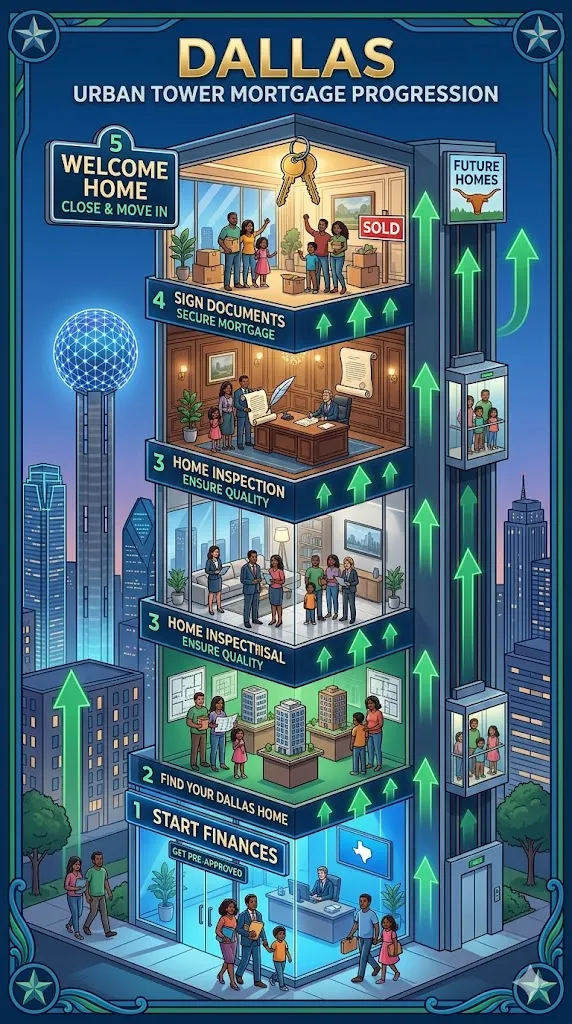
Dallas Mortgage Steps 2026 – Rising Toward Your Dream Home
Move upward through each mortgage stage toward your Dallas dream home
Mortgage and Housing Guide for Dallas, USA – 2026 Edition
Dallas is one of the most compelling housing markets in America right now — prices have pulled back from their pandemic-era peaks, inventory is at multi-year highs, and buyers have more negotiating power than they've had in nearly a decade. This guide gives you the real 2026 numbers, the honest context, and the local knowledge to make a smart move in the Big D.
Current Mortgage Rates in Dallas (April 2026)
Good news for Dallas buyers: Texas rates are tracking closely with the national average, and the city's relatively affordable home prices mean your monthly payment stays manageable even at today's rate levels. Here's the current picture as of April 2026:
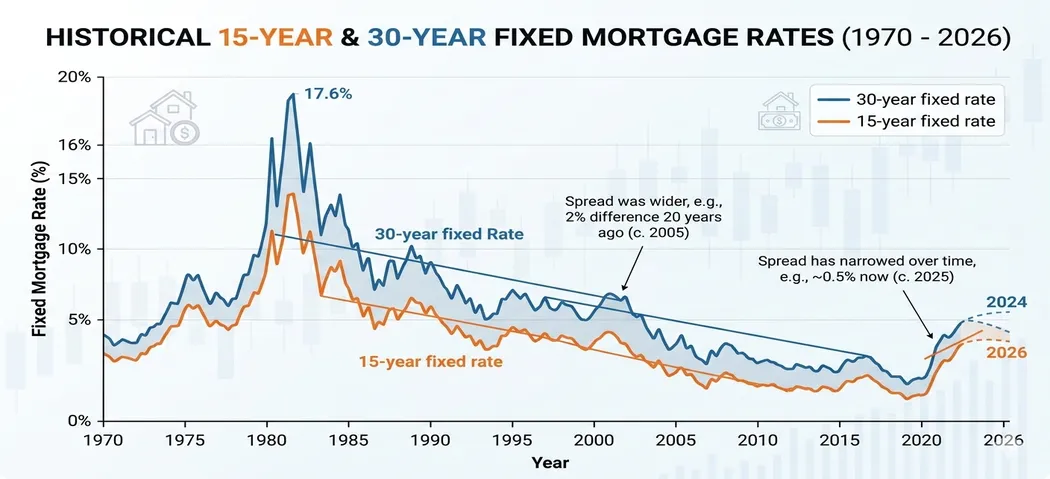
30-Year Fixed (Conventional): ~6.46% nationally (Freddie Mac, April 2); Texas lenders are quoting 6.63% as of April 1, 2026 (Bankrate) — a slight premium that reflects local market conditions but remains competitive
15-Year Fixed: ~5.77%–5.95% — a strong option for buyers who want to build equity faster and can absorb the higher monthly payment
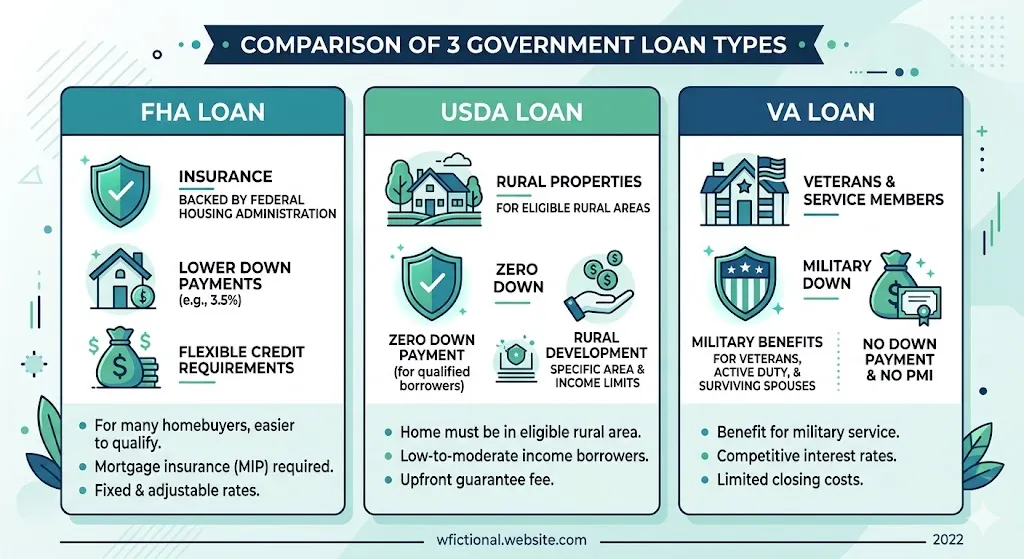
FHA 30-Year Fixed: ~6.07%–6.44% — typically below conventional and ideal for first-time buyers; the Dallas conforming FHA limit gives broad access across most price points in the metro
VA 30-Year Fixed: ~5.88%–6.25% — the best rate available; zero down payment and no PMI for eligible veterans and active-duty service members
30-Year Jumbo: ~6.55% — relevant for luxury buyers in Preston Hollow, Highland Park, or Uptown targeting properties above the conforming loan limit of $806,500
The national 30-year average sits at 6.46% as of early April 2026 — down meaningfully from the 2023 peak near 8%, but still above historical norms. Most forecasters expect rates to drift gradually lower through 2026, potentially reaching the upper-5% range by year-end. That's good news for Dallas buyers who act now and refinance later.
One standout advantage: Texas has no state income tax. Unlike most other states, every dollar you earn in Dallas stays in your pocket — a meaningful tailwind when calculating how much house you can afford. For buyers relocating from California, New York, or Illinois, the effective income boost can be significant.
Dallas Housing Market Snapshot 2026
Dallas in 2026 is one of the clearest buyer's markets in the Sun Belt. After years of frenzied seller dominance — including 20–30% annual appreciation in 2021–2022 — the market has corrected to a more sustainable pace. This is genuinely good news for buyers who were priced out or sidelined.
Median Sale Price (City of Dallas): ~$410,000 as of February 2026 (Redfin), down ~1.7% year-over-year
Median Sale Price (DFW Metro): ~$375,000–$425,000 depending on source; the broader metro median has pulled back 5–6% from 2024 highs in some segments
Zillow Average Home Value (City): ~$315,056, down 4.6% over the past year — reflecting significant softening in lower price tiers and condos
Days on Market: Approximately 61–75 days on average (up from 56 days a year ago) — buyers now have real time to think, compare, and negotiate
Active Listings (DFW Metro): Over 25,000 — the highest inventory level in several years, giving buyers a level of selection not seen since pre-pandemic
Sale-to-List Price Ratio: ~96–97% — homes are closing at 3–4% below asking price on average, with well-priced properties still attracting timely offers
2026 Price Forecast: Flat to modest growth of 0.9%–2.2% countywide; no crash expected, just a return to sustainable appreciation aligned with income and population growth
The data confirms what many Dallas buyers are already sensing: this is not a distressed market, it's a correcting market. The fundamentals — corporate relocations, population growth, diverse employment, and Texas's business-friendly tax environment — remain firmly intact. What's changed is the balance of power at the negotiating table.
Dallas is still one of the fastest-growing metros in the United States. The DFW metroplex added hundreds of thousands of residents during the 2020s, and that in-migration hasn't stopped. Companies including Goldman Sachs, Charles Schwab, McKesson, and dozens of others have relocated or expanded their Dallas footprints. This underlying demand is what separates a healthy correction from a collapse.
Rent vs. Buy in Dallas – Which Makes More Sense Right Now?
Dallas presents one of the most interesting rent-vs-buy decisions in the country right now. Rents are surprisingly reasonable for a major metro, while home prices have softened — narrowing the gap between the two in a way that increasingly favors buyers who plan to stay for three or more years.
Renting in Dallas (2026 Averages)
Studio apartment: ~$1,236/month
1-bedroom apartment: ~$1,406–$1,475/month
2-bedroom apartment: ~$1,844–$1,957/month
3-bedroom apartment: ~$2,211/month
Single-family home rental (2-bed): ~$1,975–$2,200/month
Overall median rent (all property types): ~$1,744/month (Zumper, March 2026) — roughly 9% below the national median
Uptown Dallas and Turtle Creek command premium rents of $2,400–$2,800+/month for 1-bedrooms
Buying a Median-Priced Home in Dallas (2026 Numbers)
Required household income to qualify comfortably: roughly $100,000–$120,000/year
Side-by-Side Comparison
Renting a 2-bedroom apartment in Dallas
Monthly cost: ~$1,844–$1,957
Pros: Lower monthly cost, flexibility to relocate, no maintenance responsibility, no property tax exposure, lower income required to qualify
Cons: No equity accumulation, subject to annual rent increases, no tax deduction on mortgage interest, no long-term wealth building from appreciation
Buying a median-priced home (~$410,000) in Dallas
All-in monthly cost: ~$3,300–$3,500
Pros: Building equity in a city with strong long-term fundamentals, locked-in payment (unlike rent), no state income tax amplifies take-home pay, Texas homestead exemption reduces taxable property value, freedom to renovate and personalize
Cons: Higher monthly outlay vs. renting, significant upfront costs, property tax rate is above the national average, maintenance responsibility
The honest verdict: in Dallas, the monthly premium for owning over renting is real but manageable — roughly $1,400–$1,500/month more for a median-priced home versus a comparable rental. For buyers planning to stay three or more years, the equity accumulation and inflation protection of a fixed mortgage payment typically outweighs the short-term cost gap.
What makes Dallas particularly compelling right now is the combination of softened prices, motivated sellers, and high inventory. Buyers in 2026 are getting properties at 3–4% below asking on average, with sellers increasingly willing to contribute closing costs, buy down mortgage rates, or make repairs that would have been off the table in 2021. That negotiating environment effectively closes part of the rent-vs-buy gap before you even make your first payment.
A simple breakdown of the three major government-backed home loan programs and how they differ.
Dallas, USA – Complete Real Estate & Living Guide 2026
Your friendly, data-backed guide to buying, living, and thriving in Dallas, Texas — updated for 2026.
Where to Buy in Dallas – Neighborhood Breakdown 2026
Dallas is a city of dramatic contrasts. Drive ten minutes in any direction and the housing market shifts from million-dollar estates to genuinely affordable starter homes. Here's a clear-eyed look at where Dallas neighborhoods stand in 2026.
💎 Expensive & Luxury Areas
Dallas's luxury belt is anchored by the Park Cities and North Dallas corridor. These neighborhoods attract high-net-worth buyers from California, New York, and abroad — drawn by Texas's zero state income tax, top-tier schools, and a lifestyle that blends Southern charm with big-city energy.
Highland ParkMost Prestigious — Dallas's gold standard since 1913. In January 2026, the median sale price hit $5,295,000. Tree-lined streets, strict architectural guidelines, Highland Park ISD (rated #1 in Texas), and Highland Park Village boutique shopping explain the premium. Expect significant HOA-style deed restrictions even without a formal HOA fee.
University Park — The Park Cities' slightly more approachable sibling, wrapped around Southern Methodist University. Median prices start around $2,000,000+ and can reach $10M for larger estates. Walkable to Snider Plaza, excellent schools, and a tight-knit community feel.
Preston Hollow — Old money meets new money. Sprawling estates on 0.3–2+ acre lots, gated driveways, and a who's-who of Dallas power players. Median sale prices hover between $1.7M and $2.9M depending on the sub-area. The HPISD-zoned pocket commands the highest premiums.
Uptown / Turtle Creek — Sleek high-rises and historic townhomes for urban buyers. Luxury condos with doormen and resort amenities average $600K–$1.5M+. Popular with executives and empty nesters who want walkable dining, the Katy Trail, and a lock-and-leave lifestyle.
Lakewood — East Dallas jewel on White Rock Lake. Historic homes from the 1920s–40s with modern updates. Prices range from $600K to $1.5M — a rare blend of character and nature access at a more approachable luxury price point.
Why the premium? Highland Park ISD is rated 10/10, with a 100% graduation rate and average SAT of 1,300. School district quality is the single biggest driver of price differences across Dallas neighborhoods.
🌱 Most Affordable & Growing Areas
Good news: Dallas ranked #2 in the South for improving housing affordability in 2026, with single-family median prices correcting about 5.7% from 2024 to 2025. Buyers have real negotiating power right now, especially under the $300K mark.
Cedar Crest — South Dallas neighborhood with easy Trinity River Greenbelt access. Median prices well below the city average, making it a genuine entry point for first-time buyers. Short commute to downtown.
Wolf Creek — Known for its family-friendly atmosphere and community spirit. Affordable by Dallas standards, with a suburban feel inside city limits. A solid pick for buyers prioritizing space over zip code prestige.
Vickery / Vickery Meadow — One of Dallas's most diverse communities, with affordable rentals and lower home prices. Quick access to US-75 makes commuting straightforward. Suits budget-conscious buyers and investors looking for rental yield.
Oak CliffBest Value — Rents here range from $1,200–$1,800/month, well below downtown rates. The Bishop Arts District pocket has gentrified rapidly, but surrounding streets still offer genuine value. Home prices vary widely — under $250K in some pockets, $400K+ near Bishop Arts.
Garland & Mesquite (eastern suburbs) — $230K–$320K median price range. Families get more square footage for their money, though Garland ISD tax rates are the highest among major Dallas County school districts.
⬆️ Up-and-Coming & Best-Value Neighborhoods
A few Dallas neighborhoods offer the rare combination of improving fundamentals and prices that haven't fully caught up yet. These are the areas worth watching in 2026.
Bishop Arts District (Oak Cliff) — A cultural revival story. Independent boutiques, art galleries, and a vibrant food scene have transformed this pocket into a magnet for young professionals and creatives. Prices are rising but still below Uptown levels.
Victory Park / Design District — Proximity to the American Airlines Center, arts venues, and new corporate campuses is drawing investment. Urban lofts and condos here offer higher growth potential at moderate risk compared to the Park Cities.
North Dallas (ZIP 75230) — This Preston Hollow-adjacent ZIP code recently joined Dallas's "million-dollar club" with a median of ~$1.02M as of late 2025 — up 63% since 2019. Still more accessible than Highland Park proper, with strong upside.
Richardson (inner suburb) — Solid schools (Richardson ISD has the lowest rate since 1989), tech jobs nearby along the Telecom Corridor, and median prices in the $340K–$420K range. A practical sweet spot for tech workers.
⚠️ Areas with Economic Challenges
Like every major American city, Dallas has neighborhoods where poverty rates are higher and housing is more distressed. These areas deserve honest, respectful mention — not fear-mongering.
South Dallas / Fair Park — Historically underinvested, with higher unemployment and lower median incomes than the rest of the city. Housing is inexpensive, but buyers should research infrastructure quality, school ratings, and crime statistics carefully before purchasing.
West Dallas — Rapid change is underway near the Trinity Groves area and the Margaret Hunt Hill Bridge, but pockets further west remain economically challenged. Environmental concerns (proximity to former industrial sites) and school quality vary block by block.
Southern Dallas broadly — Dallas's "Southern Sector" has been the subject of decades of city discussion about equitable investment. The Dallas Inland Port in Southern Dallas County is bringing logistics jobs, which may improve long-term economic conditions. Progress is real but uneven.
Buyer's note: Lower prices in challenged areas can represent genuine investment opportunity — but always verify flood zone status, school district ratings, and access to city services before committing. Work with a local agent who knows the block-by-block picture.
Economic Zones and Local Economy in Dallas
Dallas punches well above its weight economically. This is a city where corporate giants, startups, and blue-collar logistics workers all have a seat at the table — and the economy has diversified enough to weather national slowdowns with surprising resilience.
🏢 Major Industries & Employers
The Dallas–Fort Worth metro is home to 21 Fortune 500 companies on the 2025 list, across 31 industry sectors. The DFW area has earned the nickname "Y'all Street" for its explosive growth in financial services — second only to New York as a financial hub.
Financial Services — Goldman Sachs is building an 800,000 sq ft, $709M campus in Dallas (opening 2028, housing 5,000 employees). Wells Fargo opened a $570M campus in Las Colinas in late 2025 for 4,500 workers. Charles Schwab relocated from California and now employs 7,000+ in Westlake. The Texas Stock Exchange is expected to begin full operations in early 2026.
Technology — Texas Instruments and AT&T anchor the tech sector. TI's $40 billion semiconductor fab project in Sherman (north of DFW) begins initial production in 2026 — one of the largest chip manufacturing investments in U.S. history. The Telecom Corridor in Richardson is a proven tech employment hub.
Aviation & Aerospace — Dallas is home to Southwest Airlines (ranked #156 on Fortune 500) and American Airlines is headquartered in nearby Fort Worth. DFW International Airport is one of the busiest in the world and a massive direct employer.
Energy — AT&T (#37 on Fortune 500) and Energy Transfer (#53) are Dallas-based heavyweights. Energy remains a core sector, though Dallas's economy is far more diversified than Houston's.
Healthcare — McKesson, a Fortune 10 company, is headquartered in the DFW area. The Medical District near downtown Dallas is a significant healthcare employment hub.
Logistics & Distribution — Amazon operates 30+ facilities across the DFW metroplex. The Dallas County Inland Port in Southern Dallas is growing rapidly, adding warehouse and logistics jobs to underserved communities.
💰 Salary Ranges for Typical Residents
Dallas salaries are competitive, especially compared to the cost of living. The absence of a state income tax stretches take-home pay further than equivalent salaries in California or New York would go.
Average annual earnings (city of Dallas): approximately $78,800
High-earning clusters (finance, tech, energy): average $96,700/year — 38% above the national average of $70,000
Entry-level / service sector:$35,000–$50,000/year, where cost-of-living matters most
New logistics/manufacturing jobs (2026 expansions): minimum average salary around $63,000/year per reported projections
Tech & financial roles:$90,000–$160,000+ depending on seniority and employer
No state income tax advantage: A Dallas resident earning $100,000 keeps roughly $6,000–$9,000 more per year than a comparable earner in California, even after accounting for higher property taxes.
📰 Big Economic Stories in Dallas (2025–2026)
Dallas's economic narrative in 2025–2026 has been one of massive investment alongside a housing market correction — a combination that actually creates unusual opportunity for buyers.
The Texas Stock Exchange launched in Dallas in early 2026, positioning the city as a direct rival to New York in capital markets infrastructure.
Goldman Sachs's $709M Dallas campus is under construction — the most high-profile sign yet that Wall Street firms are planting permanent roots in North Texas.
Texas Instruments' $40B semiconductor investment in nearby Sherman is the largest single economic development project in the region's history.
Dallas ranked #2 nationally for affordability improvement in 2026 (Zoocasa), as home prices corrected 5.7% year-over-year — rare good news for first-time buyers in a city that had gotten expensive fast.
Corporate relocations from California continue — Toyota, Caterpillar, and Charles Schwab moved their headquarters to DFW in recent years, bringing thousands of high-earning employees and sustained housing demand.
Cost of Living Snapshot
Dallas is more affordable than most major coastal cities, but it's not cheap — and a few line items (property taxes, homeowners insurance) can catch newcomers off guard. Here's the honest breakdown.
🏠 Property Taxes, Insurance & HOA Fees
Because Texas has no state income tax, property taxes carry the weight of funding schools, roads, and local services. They're higher than the national median, and in Dallas, they're one of the most important numbers to understand before you buy.
Effective property tax rate: approximately 1.74% after homestead exemptions (headline rate is ~2.22% before exemptions)
Example: A $350,000 home with the $140,000 homestead exemption on school taxes pays approximately $6,405/year in total property taxes
Texas homestead exemption (2025 update): increased to $140,000 off assessed value for school district taxes — a meaningful savings over prior years
Dallas ISD makes up roughly 44% of the typical homeowner's property tax bill — and is subject to "Robin Hood" recapture, meaning some local tax dollars flow out to other districts statewide
Homeowners insurance: Higher than the national average due to North Texas's frequent hailstorms and severe weather. Budget $2,000–$4,000+/year depending on home value and coverage level — shop multiple quotes
HOA fees: Common in newer suburban developments and high-rise condos. Range from $100–$600+/month in master-planned communities; many older in-town neighborhoods have no HOA at all
Budget tip: Even when Dallas tax rates stay flat, rising appraisals can increase your bill significantly. Dallas County valuations jumped over 14% from 2023 to 2024 alone. Filing a homestead exemption and protesting your appraisal annually are both worth your time.
🚗 Commute Times & Transportation
Dallas is a car-first city, and that's unlikely to change soon. Its sprawl is real — but the tradeoff is abundant parking, cheap gas relative to coastal cities, and easy highway access nearly everywhere.
Average commute: 27–35 minutes for most Dallas residents; longer (40–55 min) for outer suburbs like Frisco or Mansfield during peak hours
DART (Dallas Area Rapid Transit): Covers 60+ rail stations across 90+ miles of light rail. A monthly pass costs $126. Excellent for commuters heading downtown, but limited for suburb-to-suburb travel
Car costs: Expect $150–$200/month in gas and $120–$180/month for auto insurance. Toll roads (like the Dallas North Tollway) are convenient but add up — budget $30–$80/month if you commute on them regularly
Best neighborhoods for walkability: Uptown, Lower Greenville, Bishop Arts District, and parts of Downtown have genuine walk scores. Most of Dallas proper requires a car for daily errands
🎓 Schools & Family-Friendly Notes
School quality in Dallas is one of the most talked-about topics among families relocating to the city — and with good reason. The differences between school districts are stark and directly tied to home prices.
Highland Park ISD: Consistently ranked #1 in Texas, 100% graduation rate, average SAT of 1,300. Home prices reflect this — you pay significantly more to live within HPISD boundaries
Dallas ISD: The city's main public district serves a large, diverse student body. School quality varies enormously by campus — research specific schools at the street level, not just the district level
Richardson ISD & Plano ISD: Strong performers in the inner suburbs, with good college-prep programs and lower tax rates than Garland ISD
Frisco ISD: A top-ranked district in the northern suburbs, consistently attracting families — and helping explain why Frisco is one of the most expensive sub-markets in DFW
Family amenities: Dallas offers the Dallas Zoo, Dallas World Aquarium, Perot Museum of Nature and Science, and over 400 city parks. White Rock Lake is a beloved outdoor escape for families in East Dallas
Private school options: St. Mark's (Preston Hollow area), Greenhill, Hockaday, and Jesuit Dallas are among the well-known private options — tuition typically $25,000–$40,000/year
Bottom line for families: If top-rated public schools are your priority, budget for Park Cities or Frisco price points. If you're flexible on schools or plan to use private education, many more affordable neighborhoods offer excellent value and quality of life.
Dallas Mortgage Guide 2026 – Best Options, Tips & FAQs
Everything Dallas buyers need to know about loan types, local assistance programs, and getting the right mortgage for your budget — updated for 2026.
Best Mortgage Options for Different Salaries in Dallas
Dallas is a city where your salary genuinely shapes your buying strategy — not just the price range you shop in, but which loan type, assistance program, and neighborhood tier makes the most sense. Here's a clear breakdown by income bracket.
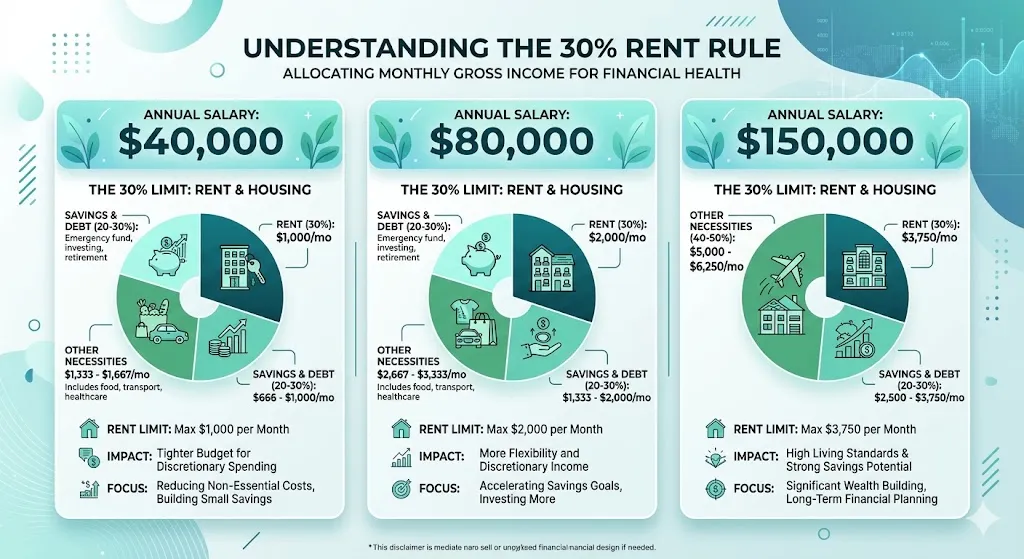
🏠 Low-to-Mid Income: $40K–$80K Household
This income range is where Dallas's local and state assistance programs do their best work. The city actively wants to help buyers in this bracket achieve homeownership, and the tools available in 2026 are genuinely useful.
Realistic price range:$180,000–$280,000 — target neighborhoods like Cedar Crest, Wolf Creek, Garland, and parts of Oak Cliff
Best loan type: FHA Loan
Down payment as low as 3.5% with a credit score of 580+
More forgiving debt-to-income ratios than conventional loans
Requires mortgage insurance premium (MIP) — factor this into your monthly budget
Dallas Homebuyer Assistance Program (DHAP): The city's flagship program, reopened October 2025. Provides up to $50,000 (up to $60,000 in designated High Opportunity Areas) as a forgivable, interest-free deferred loan — no monthly payments, forgiven if you stay in the home through the affordability period
My First Texas Home (TDHCA): Statewide program offering up to 5% of your loan amount for down payment and closing costs, paired with a 30-year fixed-rate mortgage at a below-market rate
TSAHC Home Sweet Texas Program: A grant (not a loan — never repaid) of up to 5% of loan value. Available to buyers under income limits; works with FHA, VA, and USDA loans
FHLB Dallas HELP Grant (2026): Up to $25,000 per household in Texas, distributed through member institutions on a first-come, first-served basis — $17 million allocated for 2026 statewide
Targeted Occupations Program (Dallas): Extra assistance for teachers, firefighters, police officers, and other qualifying occupations with household income between 80–120% of Area Median Income
Pro tip: You can stack multiple programs. A buyer combining DHAP + My First Texas Home + an FHA loan could significantly reduce or eliminate out-of-pocket down payment costs. Work with a DHAP-approved lender who knows how to layer these programs effectively.
🏡 Middle Income: $80K–$150K Household
This is the sweet spot for Dallas's largest market segment — buyers who earn too much for some city programs but are still sensitive to interest rates and upfront costs. The good news is that Dallas's price correction in 2025–2026 has genuinely improved affordability at this income level.
Realistic price range:$280,000–$500,000 — opens up neighborhoods like Richardson, Garland, parts of North Dallas, Lakewood entry-level, and newer suburbs like McKinney and Wylie
Best loan type: Conventional Loan (3–10% down)
Requires a credit score of 620+ (740+ for best rates)
At 20% down, you avoid private mortgage insurance (PMI) — a meaningful monthly saving
At 5–10% down, PMI adds roughly $100–$200/month until you reach 20% equity
Current mortgage rates (early 2026): 30-year fixed averaging approximately 6.35%–6.72% in Texas; shopping multiple lenders can shave 0.25–0.5% off your rate
TSAHC Homes for Texas Heroes: If you're a teacher, nurse, first responder, or veteran, you may still qualify for down payment grants at this income level — worth checking even at $80K+
Adjustable-Rate Mortgage (ARM): A 5/1 or 7/1 ARM may make sense if you plan to move or refinance within 5–7 years — rates are currently lower than 30-year fixed, but carry future rate risk
Texas no state income tax advantage: A household earning $100K in Dallas keeps $6,000–$9,000 more per year than in California. This extra take-home pay can accelerate your down payment savings considerably
🏘️ Higher Income: $150K+ Household
At this income level in Dallas, the conversation shifts from assistance programs to optimization — getting the most home for your money while managing a higher property tax bill and making smart loan structure choices.
Realistic price range:$500,000–$2M+ — opens up Uptown condos, Lakewood, parts of Preston Hollow, University Park entry-level, and premium suburbs like Southlake and Frisco
Best loan type: Conventional Jumbo Loan
Jumbo loans (above conforming limit of ~$806,500 in 2026 for most Texas counties) require stronger credit (720+) and typically 10–20% down
Rates on jumbos are often competitive with — or even slightly below — conforming rates at top-tier credit scores
VA Loan (if eligible): Veterans buying in Dallas can use VA loans with zero down payment, even on higher-priced homes — one of the most powerful financial tools available to eligible buyers at any income level
20% down strategy: On a $700,000 home, putting $140,000 down saves approximately $350–$500/month in PMI and reduces total interest paid by well over $100,000 over the loan life
Property tax planning: On a $1M Dallas home, annual property taxes will run approximately $17,000–$22,000 — a significant line item to factor into your total housing budget
Builder incentives (2026): In a cooling market, Dallas-area builders in suburbs like Prosper, Celina, and Forney are offering mortgage rate buydowns (temporarily reducing your rate to 4.99%–5.5% for the first 1–3 years) — a meaningful benefit worth negotiating
Local Success Stories and Practical Tips
Sometimes the best way to understand what's possible in Dallas is to see how real buyers — in real situations — have made it work. These scenarios reflect common paths Dallas buyers take in 2026.
🎓 Scenario 1: The Young Dallas Professional
Marcus, 29, works in tech at a Richardson Telecom Corridor company earning $72,000/year. He's been renting a one-bedroom in Uptown for $1,750/month and wants to buy his first home.
He targets a $255,000 home in Garland — enough space, good highway access, and within his budget
Using DHAP + My First Texas Home, he qualifies for approximately $28,000 in combined forgivable assistance, reducing his out-of-pocket down payment to near zero
His FHA loan at 6.4% means a monthly payment of roughly $1,650 — less than his current rent, and building equity every month
Key move: He completed the mandatory 8-hour HUD-approved homebuyer education course before applying, keeping the process smooth
👨👩👧 Scenario 2: The Relocating Family
The Hernandez family moved from California with a combined household income of $135,000. With two kids approaching school age, school district quality was non-negotiable.
They targeted Richardson ISD territory — strong schools, lower tax rate than Garland ISD, and homes in the $380,000–$440,000 range
They used a conventional loan at 10% down ($42,000) — manageable given their California savings, where they'd built equity before selling
Texas's lack of state income tax added roughly $9,000/year to their take-home versus their California salary — effectively a pay raise that offset their higher property tax bill
Key move: They locked their rate during a brief dip to 6.2% by staying pre-approved and acting quickly when a home they liked was repriced after 60+ days on market
🌿 Scenario 3: The Downsizing Retiree
Patricia, 64, sold her home in Plano after her kids moved out and wanted to downsize to a Dallas condo closer to the arts district and medical appointments.
She targeted a $420,000 condo in Uptown — walkable, low-maintenance, and near the Katy Trail for daily walks
With strong equity from her Plano sale, she put 30% down ($126,000), keeping her monthly payment well under $2,500 all-in
She applied for the Over-65 homestead exemption immediately at closing — this freezes her school district tax bill at current levels, protecting her against future appraisal increases
Key move: She budgeted carefully for HOA fees (~$450/month in her building) and homeowners insurance — both higher than expected but offset by eliminating lawn care and exterior maintenance costs
✅ Actionable Tips for Dallas Buyers in 2026
Protest your appraisal every year. Dallas County valuations jumped over 14% in a single year recently. Filing a protest with DCAD by May 15 costs nothing and can meaningfully reduce your tax bill.
Apply for your homestead exemption at closing. The $140,000 exemption on school taxes is one of the most valuable financial benefits of Texas homeownership — and it's easy to forget in the chaos of moving.
Homes are sitting longer. In early 2026, Dallas homes average 75+ days on market. Don't be afraid to negotiate — ask for rate buydowns, closing cost assistance, or repairs that sellers in a hot market would have refused.
Get pre-approved with a DHAP-approved lender first if you're in the low-to-mid income bracket. The City of Dallas processes applications through the Neighborly portal, and having your paperwork ready upfront cuts weeks off the timeline.
Factor North Texas weather into your insurance budget. Hailstorms are a real and recurring event in Dallas. Skimping on coverage to lower premiums is a common mistake that catches new homeowners off guard after the first spring storm season.
Shop lenders aggressively. A 0.5% difference in rate on a $350,000 loan saves over $35,000 in interest over 30 years. Get quotes from at least 3–4 lenders, including local Texas credit unions and community banks, not just national names.
Frequently Asked Questions about Mortgages in Dallas
What credit score do I need to buy a home in Dallas?
For an FHA loan (the most accessible option), you need a minimum score of 580 for 3.5% down, or 500–579 with 10% down. For conventional loans, most lenders want 620+, but the best rates kick in at 740+. VA loans have no official minimum but lenders typically want 620+. If your score needs work, most Dallas DHAP-approved lenders can point you toward a free credit counseling resource.
How much do I really need for a down payment in Dallas?
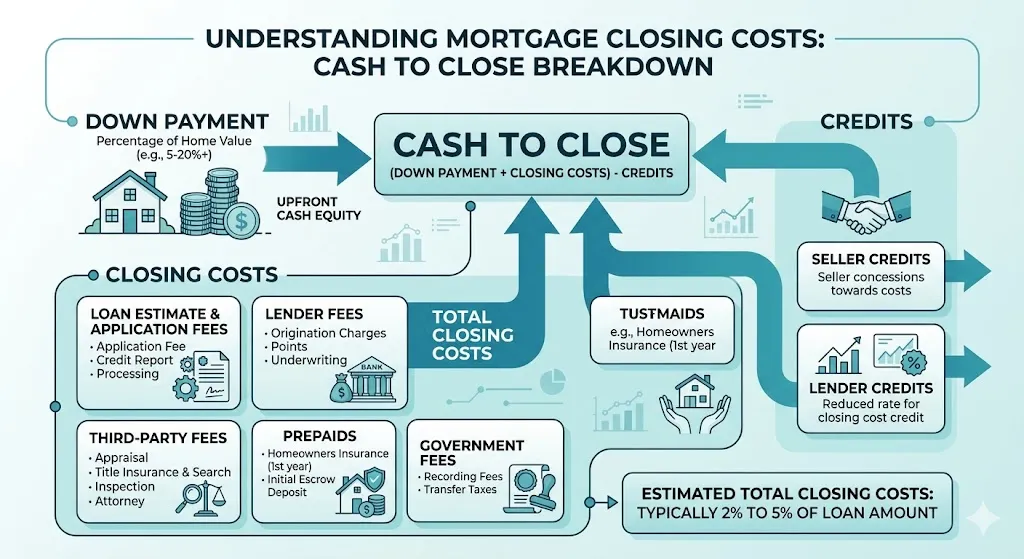
Less than most people think. FHA loans require as little as 3.5% — that's $14,700 on a $420,000 home. Conventional loans start at 3% for first-time buyers. And if you qualify for DHAP or FHLB HELP grants, your out-of-pocket down payment could be $0. The bigger upfront costs to plan for are closing costs, which typically run 2–3% of the loan amount in Texas.
Is Dallas a buyer's market or seller's market in 2026?
Solidly a buyer's market in most price segments right now. Homes are averaging 75+ days on market (up from 56 days a year ago). Prices are down roughly 1.7–5.5% year-over-year depending on the segment. Buyers have real negotiating power on price, closing costs, and seller concessions — something that simply wasn't the case in 2021–2023.
What is the DHAP program and how do I apply?
DHAP (Dallas Homebuyer Assistance Program) is the City of Dallas's main down payment assistance program, offering up to $50,000–$60,000 as a forgivable, interest-free deferred loan for income-qualified buyers. It reopened to applications in October 2025. To apply: complete an 8-hour HUD-approved homebuyer education course, get pre-qualified with a DHAP-approved lender, then submit through the City of Dallas Neighborly portal. Income must be at or below 80% of the Area Median Income for the standard program.
Are Dallas property taxes really that high?
They are above the national median, yes — but the full picture is more nuanced. The effective rate after exemptions is approximately 1.74%. On a $350,000 home with the $140,000 homestead exemption, you'd pay roughly $6,400/year. This is offset by Texas having zero state income tax, which saves most middle-income earners $4,000–$9,000+ annually versus states like California or New York.
Can I use a VA loan in Dallas?
Absolutely — and it's one of the best deals in the Dallas market. VA loans offer zero down payment, no private mortgage insurance, and competitive interest rates for eligible veterans, active-duty service members, and surviving spouses. There's no conforming loan limit for VA loans for eligible borrowers with full entitlement, meaning you can buy well into the $800K+ range with no down payment if you qualify.
Should I buy now or wait for rates to drop further?
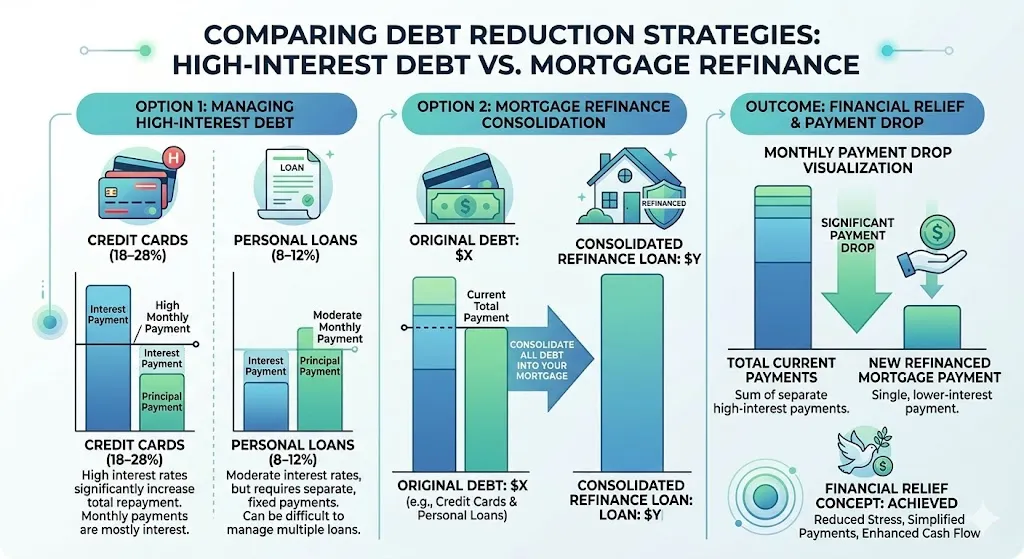
It's a genuinely good time to buy in Dallas if you're financially ready. Home prices have already corrected 4–6% year-over-year, inventory is high, and sellers are motivated — giving you negotiating leverage you won't have when rates inevitably fall and demand surges again. The popular advice in mortgage circles: "Date the rate, marry the house." Buy the right home now and refinance when rates drop to 5.5–6%. You can always refinance; you can't retroactively get today's lower prices.
Ready to Buy in Dallas? Start Here.
Dallas in 2026 is one of the more buyer-friendly markets in the country right now — prices have corrected, sellers are negotiating, and assistance programs are fully funded. Whether you're a first-time buyer working with DHAP, a growing family eyeing Richardson ISD territory, or a relocator escaping high-tax coastal states, there's a genuine path to homeownership here.
The best first step is knowing your numbers. Use the mortgage calculator below to estimate your monthly payment based on Dallas's current rates, your down payment, and property tax rates. It takes under two minutes and gives you a realistic picture of what's within reach.
Your dream Dallas home is closer than you think. Start with the numbers, then take it one step at a time.
Mortgage Services in Other Cities
New York City
Get accurate mortgage estimates, PITI calculator, and competitive rates for New York City home buyers.
Explore New York →
Los Angeles
Calculate monthly payments and compare fixed & adjustable mortgage rates in Los Angeles.
Explore Los Angeles →
Chicago
Instant mortgage payment calculator with current rates for Chicago homebuyers in 2026.
Explore Chicago →
Phoenix
Find the best mortgage options and estimate payments for homes in Phoenix, Arizona.
Explore Phoenix →
Philadelphia
Affordable mortgage solutions and FHA, VA, USDA loan options for Philadelphia buyers.
Explore Philadelphia →
San Antonio
Easy mortgage calculator with current interest rates for San Antonio home purchases.
Explore San Antonio →
San Diego
Compare mortgage lenders and calculate payments for properties in San Diego.
Explore San Diego →
Dallas
Fast mortgage estimates and expert loan guidance for Dallas-Fort Worth area buyers.
Explore Dallas →
San Jose
High-value mortgage solutions and rate comparisons for San Jose homebuyers.
Explore San Jose →
Houston
Reliable mortgage tools and current rates for Houston metropolitan area buyers.
Explore Houston →
About the Author
This article was written by the Me (Pardeep) and My Financial Guide Team,
a group of researchers focused on mortgage education and home financing tools.
Our goal is to help home buyers understand mortgage payments, interest rates,
and loan options through simple guides and calculators. Last Updated: April 2026