Philadelphia Mortgage Guide 2026 – Historic Path to Homeownership
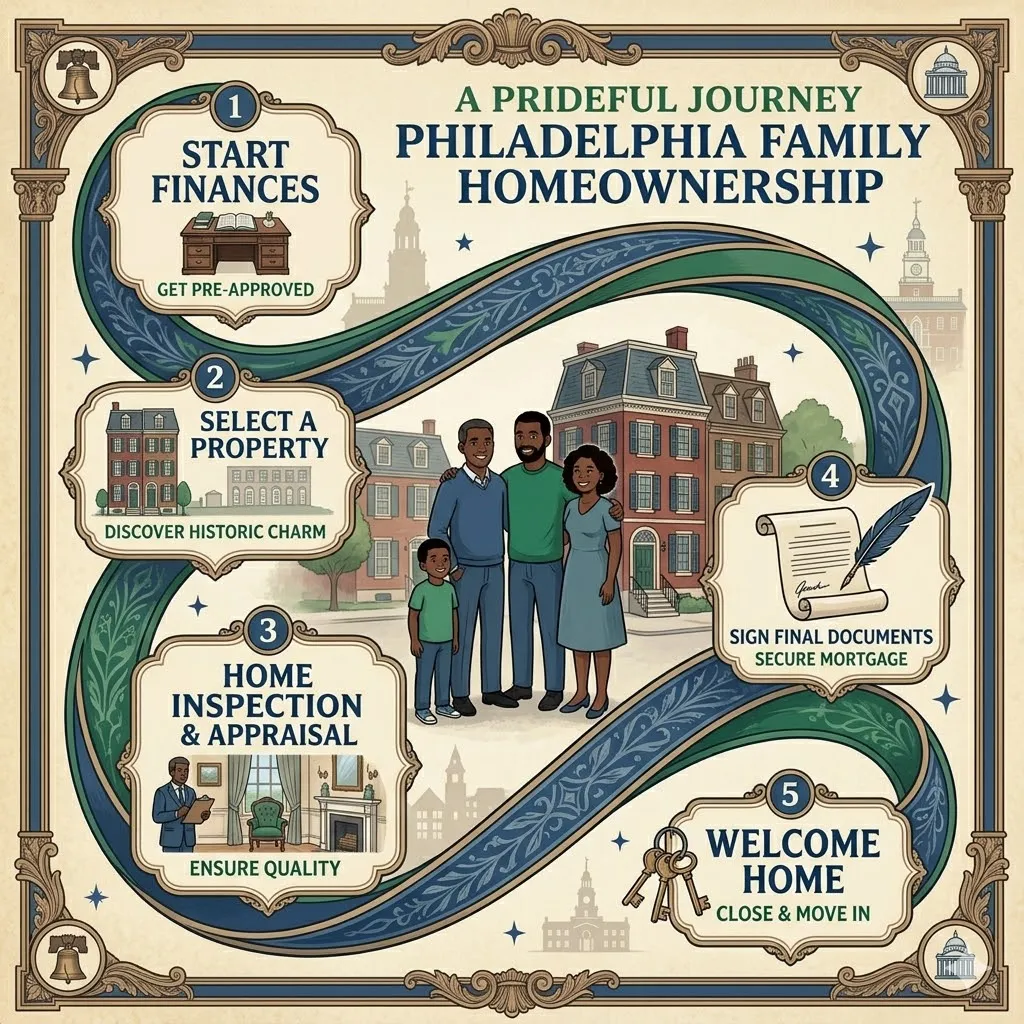
Discover a structured mortgage process tailored for Philadelphia buyers
Mortgage and Housing Guide for Philadelphia, USA – 2026 Edition
Hero Introduction: Philadelphia is one of the most affordable major cities on the East Coast — and in 2026, a more balanced market means buyers finally have room to breathe, negotiate, and make smart long-term decisions. This guide gives you the real local numbers, the honest tradeoffs, and the practical steps to turn a Philly home from a dream into a done deal.
Current Mortgage Rates in Philadelphia (April 2026)
Mortgage rates across the country have stabilized heading into spring 2026, with the national average for a 30-year fixed mortgage sitting around 6.3%. Philadelphia buyers are seeing rates that closely mirror this national benchmark, though your personal rate will vary based on credit score, loan type, down payment size, and which lender you choose.
The good news: forecasters project rates to ease gradually to around 6.15% by year-end 2026, which could meaningfully improve monthly payments for buyers who close later in the year — or create a strong refinance window for those who buy now.
Here's what Philadelphia-area borrowers are looking at in April 2026:
- 30-Year Fixed (Conventional): ~6.2%–6.5% — the most popular choice for buyers planning to stay long-term
- 15-Year Fixed: ~5.6%–5.9% — higher monthly payments but significantly less total interest paid; great for buyers with strong cash flow
- FHA Loan (30-Year): ~5.9%–6.3% — ideal for first-time buyers and those with lower down payments or credit scores in the 580–679 range
- Jumbo Loan (30-Year): ~6.6%–7.1% — applicable for loan amounts above the Philadelphia conforming loan limit of $806,500 in 2026 (covering most Center City and Main Line luxury transactions)
- VA Loan: ~5.8%–6.2% — an outstanding option for veterans and active-duty military, offering zero down payment and no PMI
Philadelphia has a strong community of local lenders, credit unions (like Philadelphia Federal Credit Union and TruMark Financial), and regional banks that know the neighborhood-level market. Shopping at least 3–4 lenders — including both local institutions and national online lenders — can realistically save you 0.25%–0.5% on your rate, which compounds significantly over a 30-year loan.
Philadelphia Housing Market Snapshot 2026
Philadelphia's housing market in 2026 is best described as a "reset toward balance" — a genuine transition away from the frenzied seller's market of 2021–2022 into something more sustainable, more negotiable, and frankly more fair for buyers. That's good news if you've been waiting on the sidelines.
Here are the key numbers as of early 2026:
- Median Sale Price (City): ~$265,000–$277,000 (Redfin / Houzeo, February 2026) — up approximately 6% year-over-year, making Philadelphia one of the more affordable major East Coast cities
- Median Sale Price (Metro / Suburbs): ~$400,000+ — the Philadelphia suburbs, particularly Bucks, Montgomery, Chester, and Delaware counties, command a significant premium
- Average Days on Market: ~62–69 days — firmly in "balanced market" territory (under 45 = seller's market; 70+ = buyer's market)
- Inventory: About 4.5–5.5 months of supply citywide — meaningfully more than the pandemic-era lows, giving buyers real options
- Sale-to-List Price Ratio: ~97% — sellers are getting close to asking price when priced correctly, but buyers have room to negotiate
- Homes Selling Over Asking: Only about 19.9% — down sharply from 37.5% a year ago. Bidding wars are no longer the default.
Philadelphia's median home price is 38% lower than the national average — a fact that continues to attract buyers relocating from New York City (Philadelphia has actually surpassed Miami as the top destination for NYC out-migration). The city's relative affordability, combined with Amtrak and commuter rail access, makes it one of the most compelling value plays on the entire East Coast.
The Greater Philadelphia Association of Realtors describes 2026 as a "transition year defined by rebalance and resilience," with home prices expected to rise a healthy 1–3% and wage growth outpacing both inflation and price appreciation. The long-term picture is also strong — Moody's Analytics projects Philadelphia-area home prices to rise 29% by 2035, outperforming the national average.
The Philadelphia suburbs — especially areas with top school districts like Newtown and Doylestown (Bucks County), West Chester and Downingtown (Chester County) — remain competitive. But even there, buyers have more options and more negotiating room than at any point since 2019.
Rent vs. Buy in Philadelphia – Which Makes More Sense Right Now?
This is the question Philadelphia renters ask every year — and in 2026, the math has shifted in ways that make ownership increasingly worth a hard look, especially for anyone planning to stay 4+ years.
The median rent in Philadelphia sits around $1,635/month across all bedroom types and property sizes (Zumper, March 2026), with a typical 2-bedroom apartment running $1,700–$1,750/month. On the higher end, Center City and University City apartments routinely command $2,400–$3,800+/month. Rents across Philadelphia are down about 3% year-over-year — a mild softening that gives renters slightly more leverage, but not a dramatic correction.
On the ownership side, a $265,000 home purchased with a 10% down payment ($26,500) at a 6.4% rate produces a principal-and-interest payment of about $1,490/month. Add Philadelphia's property taxes (among the most complex in Pennsylvania — more on that in Part 2), homeowner's insurance, and any HOA fees, and your true all-in cost is closer to $1,900–$2,200/month.
Rent vs. Buy Comparison — Philadelphia 2026
- Renting a 2-Bedroom Apartment (City Average)
- Monthly cost: ~$1,700–$1,750
- Upfront cost: First + last month's rent + deposit (~$3,400–$5,250)
- Pros: Flexibility to move, no maintenance responsibility, lower upfront cash, rents easing year-over-year
- Cons: No equity building, subject to rent increases, no stability for longer-term residents
- Buying a Median-Priced Home (~$265,000)
- Monthly all-in cost: ~$1,900–$2,200 (mortgage + taxes + insurance)
- Upfront cost: $26,500+ down payment plus closing costs (~$7,000–$12,000 in Pennsylvania)
- Pros: Building equity every month, stable payment, long-term appreciation, Philadelphia's strong 10-year price outlook
- Cons: Large upfront cash requirement, property maintenance costs, Philadelphia has one of Pennsylvania's most complex tax structures
The monthly gap between renting and owning in Philadelphia is smaller than in most major US cities — often just $200–$500/month in favor of renting, depending on the neighborhood and property type. That's one of the most compelling rent-vs-buy gaps in any East Coast city of Philadelphia's size.
For buyers who can cover the upfront costs and plan to stay at least 4–5 years, Philadelphia ownership makes strong financial sense in 2026. The combination of below-national-average prices, a steadily appreciating market, and a narrowing rent-to-own gap means the window is genuinely open — and may not stay this favorable once rates begin to ease and demand picks back up.
Latest Mortgage Guides & Tips
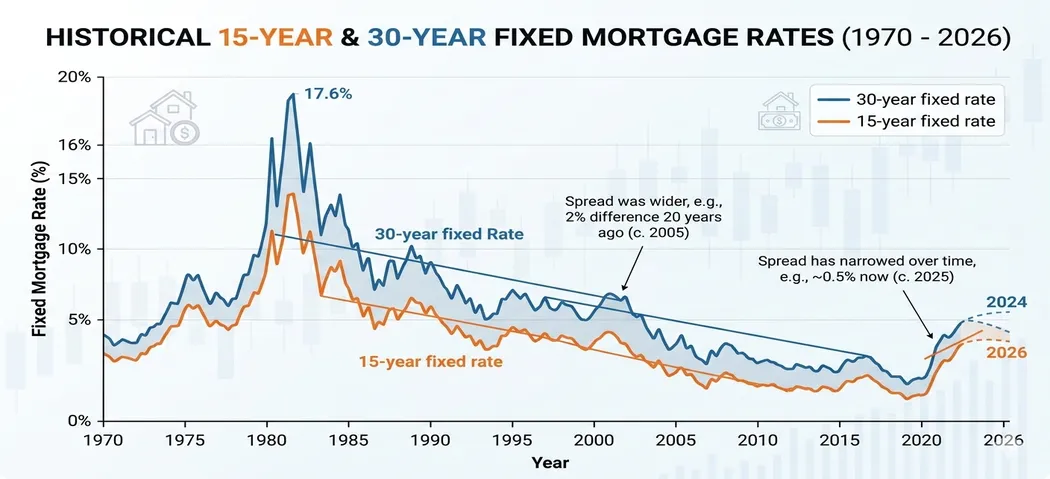
Learn the 4 key components of your monthly mortgage payment.
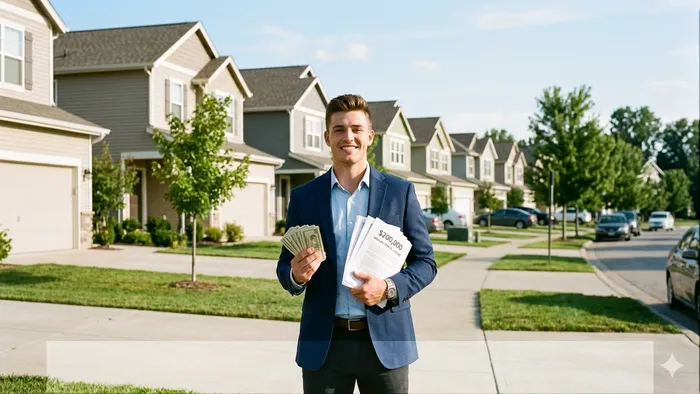
Compare the pros and cons for your situation.
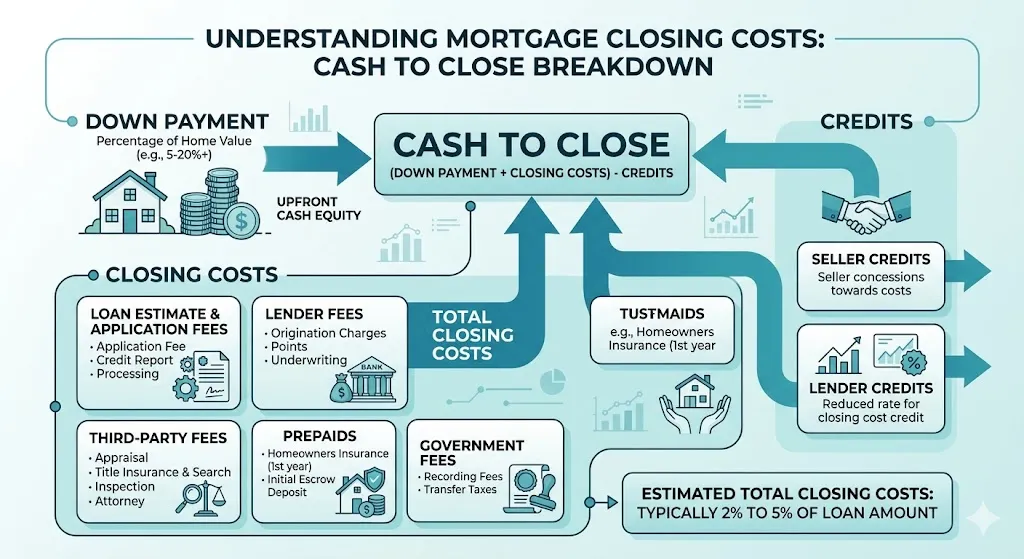
A clear breakdown of how closing costs and down payment combine into your final cash to close
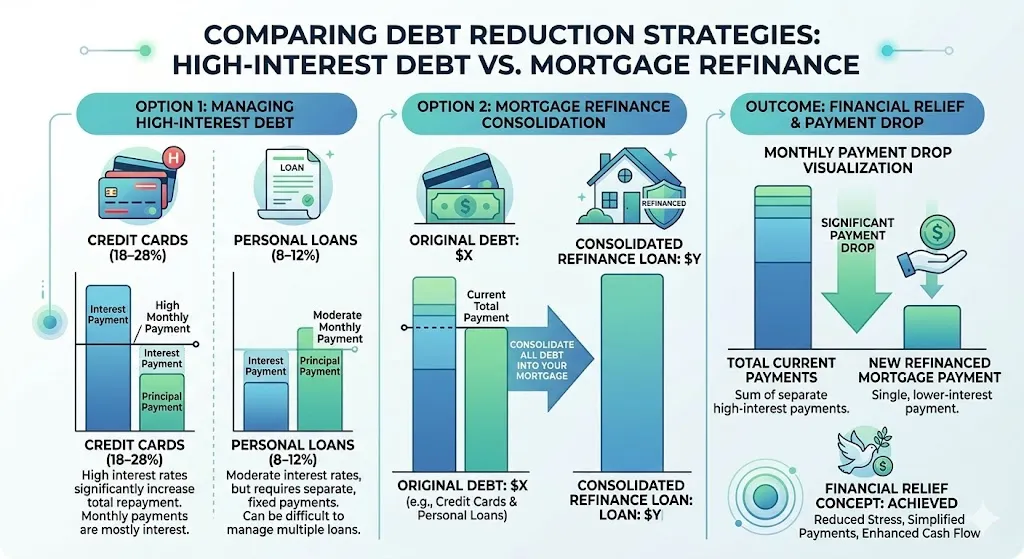
See how consolidating debt into a mortgage can dramatically reduce monthly expenses
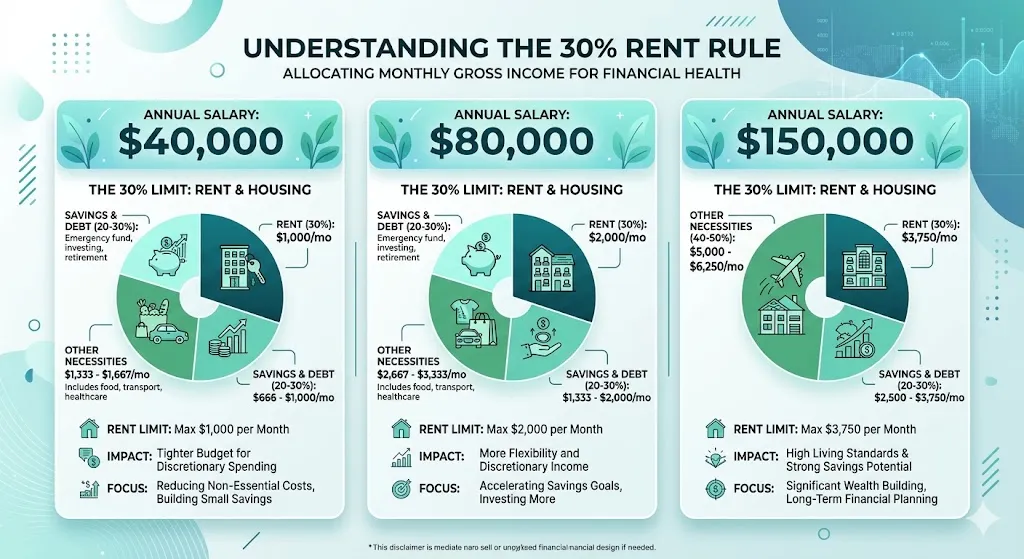
A simple breakdown of how much rent you can afford using the 30% income rule across different salary levels.
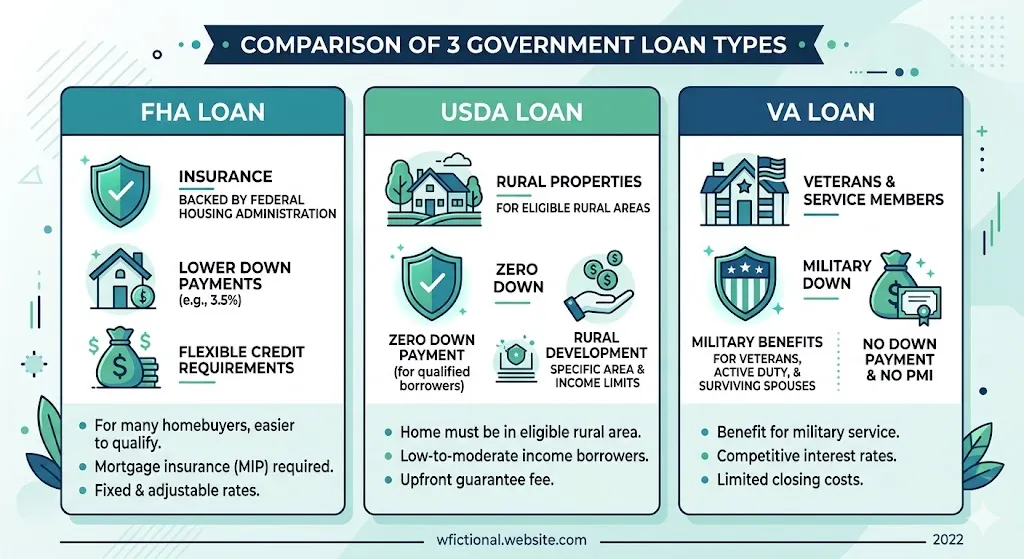
A simple breakdown of the three major government-backed home loan programs and how they differ.
Philadelphia Neighborhood Guide, Local Economy & Cost of Living – 2026
Where to Buy in Philadelphia – Neighborhood Breakdown 2026
Philadelphia is genuinely a city of neighborhoods — over 100 of them, each with its own personality, price point, and pace of change. The right neighborhood for you depends on your lifestyle, commute, and budget as much as the numbers themselves. Here's the honest, street-level breakdown for 2026.
Luxury and High-End Areas
These neighborhoods consistently command Philadelphia's premium prices — and for good reason. They deliver walkability, historic character, top-tier dining, and easy access to Center City's economic and cultural core.
- Rittenhouse Square: Philadelphia's crown jewel. Median prices range from $600,000 to $1M+, with luxury high-rises and historic brownstones bordering one of the most celebrated urban parks on the East Coast. Attracts executives, empty nesters, and high-income professionals. You're paying for the lifestyle — and it delivers.
- Washington Square West / Graduate Hospital: Graduate Hospital is the go-to for young professionals who want walkability and proximity to Center City without the full Rittenhouse price tag. Median prices run $525,000–$625,000. GradHosp especially is seeing steady appreciation as it fills in.
- Society Hill / Old City: Philadelphia's most historically significant residential streets, with Federal and Georgian townhomes dating to the 1700s. Median prices in the $400,000–$575,000 range, though premium properties go significantly higher. Unique and irreplaceable housing stock.
- Northern Liberties: Median prices around $525,000 — driven by its restaurant scene, new condo development, and easy walkability. A younger, creative demographic has fueled sustained appreciation over the past decade.
- Chestnut Hill / Mt. Airy (Northwest Philadelphia): Where Philly families go when they want good public schools, quiet tree-lined streets, and real yard space without leaving the city. Chestnut Hill median prices run $550,000–$750,000; Mt. Airy offers a more accessible entry around $380,000–$490,000.
Most Affordable and Growing Areas
Philadelphia's affordability relative to other East Coast cities is its superpower — and within the city itself, there are genuinely strong entry points for first-time buyers and value-oriented investors.
- Brewerytown: One of the best-value neighborhoods in the city right now. Median prices around $280,000–$365,000, with a growing restaurant and bar scene, easy access to Fairmount Park, and clear gentrification momentum. Well-suited to first-time buyers willing to be early.
- Port Richmond: A blue-collar, working-class neighborhood northeast of Fishtown with deep roots and rising buyer interest. Median prices around $285,000–$320,000. Strong community fabric and improving infrastructure make it a practical, grounded choice.
- Grays Ferry / Point Breeze (South Philadelphia): Median prices in the $295,000–$425,000 range. Point Breeze in particular has been one of the city's most talked-about value plays for several years — development is accelerating and prices reflect it.
- West Philadelphia (near University City): University City itself runs $380,000–$415,000, but adjacent pockets of Cedar Park and Spruce Hill offer $380,000–$445,000 with genuine neighborhood character, great transit, and proximity to Penn and Drexel's economic footprint.
- Fishtown: Listed at a median around $424,900–$495,000 — still more accessible than comparable neighborhoods in Boston or Brooklyn. One of Philadelphia's most dynamic neighborhoods, attracting young buyers and investors drawn to its creative energy and walkability.
Up-and-Coming Best-Value Neighborhoods
These areas are showing early signals of appreciation and are drawing buyer attention ahead of broader price discovery.
- East Passyunk (South Philly): Arguably the best restaurant corridor in the city, packed into a walkable South Philadelphia neighborhood. Median prices around $385,000–$465,000. Buyers who get in now are riding genuine neighborhood energy.
- Manayunk: A riverfront neighborhood with a young professional demographic, a lively Main Street, and access to the Schuylkill River Trail. Median prices in the $350,000–$455,000 range — strong long-term value given its lifestyle credentials.
- Kensington (select blocks): The honest truth is that Kensington varies wildly by block, with a citywide median around $285,000. Buyers willing to do deep research on specific streets can find genuinely undervalued properties adjacent to the improving corridor. Not for everyone, but the patient and informed can find upside here.
Areas With Economic Challenges
Philadelphia has neighborhoods still working through decades of disinvestment and concentrated poverty. Being honest about this helps buyers make informed, thoughtful decisions — not fearful ones.
- Parts of North Philadelphia (particularly around Hunting Park, Strawberry Mansion, and areas around Broad and Lehigh) have higher poverty rates, lower median incomes, and older housing stock in need of significant investment. Home prices can be well below $100,000 in some blocks.
- Kensington's core corridor has faced well-documented challenges related to the opioid crisis, though ongoing city and state intervention is working to stabilize the area.
- These neighborhoods often attract community development organizations, city-subsidized investment programs, and long-term redevelopment attention. Some buyers with a community-minded approach and a long time horizon see real potential — but patience, due diligence, and local knowledge are essential.
- Philadelphia's H.O.M.E. initiative ($2 billion, targeting 30,000 housing units) is specifically designed to invest in and preserve housing in historically underserved neighborhoods. Watch this space over the next decade.
Economic Zones and Local Economy in Philadelphia
Philadelphia's economy is more diverse and more forward-looking than its blue-collar reputation sometimes suggests. The city is home to major anchor institutions, a world-class life sciences cluster, and a growing technology ecosystem — all of which create genuine housing demand and wage stability.
Major Industries and Employers
- Healthcare and Life Sciences (the anchor): Healthcare is Philadelphia's single largest employment sector, with over 140,000 jobs citywide. Major employers include Penn Medicine, Jefferson Health, Temple Health, Children's Hospital of Philadelphia (CHOP), and the Drexel University health system. Philadelphia consistently ranks among the top 10 life sciences markets nationally, and is home to over 1,200 life sciences companies including AstraZeneca, Johnson & Johnson, and Merck. The city is also the birthplace of cell and gene therapy, with 60+ companies in this cutting-edge sector alone.
- Education (the eds and meds economy): With 54 colleges and universities in the metro area — including Penn, Drexel, Temple, and Thomas Jefferson — education is a massive direct employer and talent pipeline. This "eds and meds" foundation gives Philadelphia unusual economic stability compared to cities dependent on a single industry.
- Financial Services and Fintech: Comcast, Vanguard (suburban), Independence Blue Cross, and a growing fintech startup scene powered in part by the Comcast Technology Center's incubator program.
- Technology: Software developers in Philadelphia average around $120,000/year. Philadelphia's tech sector is growing, fueled by university spinoffs and the talent pipeline from Penn and Drexel engineering programs.
- Legal and Professional Services: Philadelphia is home to major law firms and a strong financial and professional services sector, with project managers earning $125,000–$159,000 and a concentration of high-skill white-collar employment in Center City.
Salary Ranges for Typical Residents
- Median household income (city): ~$45,927 — reflecting the city's significant income inequality between the professional class and lower-income neighborhoods
- Median salary (overall workforce): ~$64,006 (Gusto, January 2026)
- Clinical Research Associate / Life Sciences: $103,000–$136,000
- Pharmacist: $136,000–$151,000
- Software Developer: ~$120,000
- Registered Nurse: ~$75,000–$95,000
- Office and Administrative Support: ~$48,000–$52,000
- Retail and Hospitality (largest sector by volume): average ~$36,000
Big Economic Developments in 2025–2026
Philadelphia's 2026 economy is at an inflection point. The good news: unemployment is falling, median income is rising, and the life sciences cluster is gaining national recognition. The honest challenge: a recent Harvard study flagged Philadelphia as ranking last among 49 major metros for upward economic mobility — a wake-up call that civic, business, and philanthropic leaders are actively working to address.
A major summit in 2024 brought together Comcast, Bank of America, Pew, and the William Penn Foundation to identify Philadelphia's highest-potential growth sectors: enterprise digital solutions, precision manufacturing, and biomedical commercialization. These three areas represent the city's clearest path to creating well-paying middle-class jobs at scale.
Mayor Parker's H.O.M.E. initiative — a $2 billion housing plan targeting 30,000 units — began deploying its first $277 million in 2025, focusing on keeping existing residents housed while building new supply in underserved neighborhoods.
Cost of Living Snapshot for Philadelphia
Philadelphia's overall cost of living is about 7% above the national average (Redfin, 2026) — relatively modest for an East Coast city of its size and amenities. But the detail that matters most for homeowners is the city's unique tax structure, which is genuinely unlike any other major Pennsylvania city.
Property Taxes
Philadelphia's property tax system is one of the most important things to understand before buying. The combined city and school district real estate tax rate is 1.3998% of assessed value — split between city (0.6159%) and school district (0.7839%).
- On a $265,000 home, that translates to approximately $3,400/year or ~$280/month
- The Homestead Exemption reduces the taxable assessed value by $100,000 for owner-occupied homes — saving most Philadelphia homeowners approximately $1,399/year. It takes about 5 minutes to apply online and every homeowner should do it immediately upon purchase
- 10-Year Tax Abatement: New construction and substantially renovated properties qualify, meaning you pay taxes only on the land value — not the building — for the first decade. This dramatically lowers carrying costs on newly built homes and renovations
- Philadelphia also levies a wage tax on residents of approximately 3.75% — a meaningful additional cost versus living in the suburbs, but offset by the city's lower property tax rate compared to collar county school districts, which can push suburban tax bills to $8,000–$10,000+/year on similarly priced homes
- The City also offers income-based relief programs including OOPA (Owner-Occupied Payment Agreements) and senior/low-income tax freezes — genuinely valuable for long-term residents on fixed incomes
Homeowners Insurance
- Average annual homeowners insurance in Philadelphia: $1,200–$1,800/year for a median-priced rowhouse
- Older housing stock (Philadelphia has significant pre-WWII inventory) may require higher coverage and more thorough inspections — factor this into your budget
- Flood insurance may be relevant for properties near the Delaware River, Schuylkill River, or flood-prone areas in Northeast Philadelphia
HOA Fees
HOA fees are common in Philadelphia's growing condo and townhome market but less universal than in Sun Belt cities. Most of the city's iconic rowhouses are single-family and HOA-free.
- Center City condo buildings: typically $300–$700+/month covering exterior maintenance, trash, and building amenities
- New construction townhome communities: $100–$250/month
- Traditional Philadelphia rowhouses: typically no HOA — one of the city's genuine ownership advantages
Commute Times and Transportation
Philadelphia has one of the best public transit systems on the East Coast — a genuine asset that reduces both commute stress and car ownership costs for residents.
- SEPTA operates buses, subway (Broad Street Line and Market-Frankford El), trolleys, and Regional Rail — connecting Center City to neighborhoods throughout the city and suburbs
- Average commute time within the city: 28–33 minutes
- Philadelphia's walkability in Center City, Fishtown, and surrounding neighborhoods is exceptional — Walk Score routinely above 90 in these areas
- Amtrak service from 30th Street Station connects Philadelphia to New York City in ~70 minutes and Washington DC in ~90 minutes — a major draw for remote workers and hybrid commuters from New York
- Parking in Center City typically costs $200–$400/month for a reserved spot — many urban Philadelphia residents simply don't own a car
Schools and Family-Friendly Notes
School quality in Philadelphia is one of the most important — and nuanced — considerations for family buyers. The city's public school district faces well-documented funding and performance challenges, but the picture is more complex than headlines suggest.
- Top-rated public schools within city limits: Masterman, Central High School, and Science Leadership Academy consistently rank among Pennsylvania's best — though admission to the top magnet schools is competitive
- Northwest Philadelphia (Mt. Airy, Chestnut Hill) and parts of Northeast Philadelphia have stronger neighborhood public school options and are where many Philadelphia families deliberately choose to buy
- Charter schools are widely used throughout Philadelphia — the city has one of the most active charter school markets in Pennsylvania, giving families more options than the traditional district alone
- Families prioritizing school quality without a private school budget often look at the Philadelphia suburbs — particularly in Chester County (top-rated districts) and Montgomery County — though property taxes there run significantly higher than in the city
- University City is particularly family-friendly for those connected to Penn or Drexel, with strong neighborhood associations, good parks, and a diverse community
The bottom line on Philadelphia cost of living: for buyers coming from New York, Boston, or Washington DC, the relative affordability is striking. For buyers comparing Philadelphia to its own suburbs, the city's lower property tax rate and walkability often offset the wage tax — especially for households where only one partner is a Philadelphia resident and the other works remotely or in the suburbs.
Best Mortgage Options, Tips & FAQs for Philadelphia Buyers – 2026
Best Mortgage Options for Different Salaries in Philadelphia
Philadelphia's relatively affordable median home price of around $265,000 means homeownership is within reach across a wide range of incomes — but the right mortgage strategy looks very different depending on where you fall on the salary spectrum. Here's the practical breakdown.
Low-to-Mid Income: $40,000–$80,000 Household
This income range represents a large share of Philadelphia buyers, and the good news is that the city and state have built a genuinely strong ecosystem of programs specifically designed for you. The key is stacking the right programs together — many buyers in this bracket bring less than $5,000 cash to closing.
- Best loan type: FHA Loan — requires just 3.5% down with a 580+ credit score. On a $265,000 home, that's a down payment of roughly $9,275. FHA rates in Philadelphia are running approximately 5.9%–6.3% in spring 2026.
- Philly First Home Program: The City of Philadelphia's flagship grant offers up to $10,000 (or 6% of the purchase price, whichever is less) to cover down payment and closing costs. This is free money — repayable only if you move or refinance within 15 years. Available to first-time buyers earning at or below 120% of Philadelphia's Area Median Income. Applies to single-family homes and duplexes (not condos). Funding opens annually — apply early, as it runs out.
- First Front Door (FFD) Program: Funded through FHLBank Pittsburgh, the 2026 round opens May 19. Contribute just $1,500 of your own funds to secure up to $15,000 in matching grant assistance toward down payment and closing costs. Household income must be at or below 80% of area median income.
- K-FIT (Pennsylvania PHFA): A forgivable second loan providing 5% of the purchase price with no dollar cap, forgiven 10% per year over 10 years. No monthly payment required. On a $215,000 home that's $10,750 in assistance. Must be paired with a PHFA Keystone Home Loan.
- Stacking programs: Philadelphia buyers have successfully combined Philly First Home + First Front Door + PHFA assistance, bringing as little as $3,500 total to closing. This is real — work with a PHFA-approved lender who knows how to stack these correctly.
- Pro tip: Complete your one-on-one homeownership counseling through a City-funded agency before you sign any Agreement of Sale. It's required for most programs and genuinely makes you a smarter, better-prepared buyer.
Target neighborhoods in this price range: Brewerytown, Port Richmond, Grays Ferry, Kensington (select blocks), and parts of Northeast Philadelphia. All offer genuine value and community stability at accessible price points.
Middle Income: $80,000–$150,000 Household
This is the most active buyer segment in Philadelphia right now — with enough income to qualify comfortably for a median-priced home but still feeling the weight of down payment and closing costs. Smart loan choices and employer programs can make the difference.
- Best loan type: Conventional (Fannie Mae / Freddie Mac) — strengthens your offer versus FHA in competitive neighborhoods like Fishtown, Graduate Hospital, and Northern Liberties. With 10% down on a $420,000 home, you need $42,000 upfront — significant but achievable for dual-income households.
- 3%–5% down conventional options: HomeReady and Home Possible programs offer reduced mortgage insurance costs and are available to buyers in this income range. A 5% down conventional on a $265,000 home requires just $13,250 — far more manageable than a 20% target.
- Philadelphia Home.Buy.Now (employer-assisted): If your employer participates in this City-funded program, you can receive a dollar-for-dollar matching grant up to $4,000 toward down payment and closing costs. Worth asking your HR department about — hundreds of Philadelphia-area employers participate.
- PHFA Mortgage Credit Certificate (MCC): Provides a federal tax credit of up to 50% of mortgage interest paid annually, capped at $2,000/year. Over the life of a 30-year loan, this adds up to meaningful savings and effectively reduces your borrowing cost.
- 10-Year Tax Abatement strategy: Buyers in this income range often find that new construction or substantially renovated Philadelphia homes — which qualify for the 10-year abatement — offer dramatically lower effective monthly costs despite sometimes higher purchase prices. The abatement can reduce your real monthly housing cost by $300–$600/month versus a similarly priced non-abated property.
- Target neighborhoods: Fishtown, Point Breeze, East Passyunk, Northern Liberties, Manayunk, and University City — all strong long-term appreciation plays with genuine neighborhood energy.
Higher Income: $150,000+ Household
At this income level, the conversation shifts from "how do I qualify" to "how do I optimize." Philadelphia rewards high earners who understand the city's unique tax structure and use it to their advantage.
- Conventional 20% down: Eliminates PMI and puts you in the strongest possible position with sellers. On a $500,000 Rittenhouse or Northern Liberties property, that's $100,000 down — significant, but many buyers in this bracket arrive with equity from a previous home or relocation from a higher-cost market.
- Jumbo Loans: For properties above the Philadelphia conforming loan limit (~$806,500), jumbo loans apply at rates running 6.6%–7.1% in spring 2026. Lenders typically require strong reserves, 720+ credit score, and 10%–20% down.
- NYC transplant advantage: Philadelphia has surpassed Miami as the top destination for NYC out-migration. Buyers arriving from New York, DC, or Boston with significant existing equity can often purchase Philadelphia's best neighborhoods with substantial down payments — dramatically reducing their monthly payment relative to what they were paying in their previous city.
- 15-Year Fixed option: At $150,000+ household income, some buyers run the math on a 15-year fixed (~5.6%–5.9%). You build equity exponentially faster and pay a fraction of the total interest — the key advantage in a market where long-term appreciation looks strong.
- Investment consideration: Philadelphia's rent-to-price ratio makes duplexes particularly attractive at this income level. A $350,000–$450,000 duplex in Port Richmond or Brewerytown can generate $1,200–$1,600/month from the rental unit — meaningfully offsetting your ownership costs while you build equity.
Local Success Stories and Practical Tips
The best way to understand what's working for Philadelphia buyers in 2026 is to look at real scenarios. Here are three common ones — each with lessons that apply broadly.
The Hospital Worker: First Home in Brewerytown
Keisha, 31, is a registered nurse at Temple University Hospital earning $82,000/year. She had $12,000 saved but felt stuck between down payment requirements and Philly's closing costs, which can run $7,000–$10,000.
Her path to ownership: She completed homeownership counseling through NKCDC, qualified for the Philly First Home grant ($10,000), and combined it with a PHFA loan at 5% down on a $295,000 rowhouse in Brewerytown. Total out-of-pocket at closing: under $6,000. Monthly mortgage payment including taxes and insurance: $1,920/month — less than comparable rentals in the neighborhood. She also immediately filed for the Homestead Exemption, saving her $1,399/year going forward.
Lesson: Philadelphia's grant programs are specifically built for buyers in the $60,000–$100,000 income range. Completing counseling first is not a bureaucratic hurdle — it's how you access thousands of dollars in free money.
The NYC Transplant Couple: Trading Manhattan Rent for Fishtown Equity
Marcus and Priya had been paying $3,800/month for a one-bedroom in Brooklyn. Remote work freed them to move, and Philadelphia's relative affordability — median prices 65% lower than comparable Brooklyn neighborhoods — made the math obvious. They purchased a $480,000 renovated rowhouse in Fishtown using the equity from a previous condo sale as a 20% down payment ($96,000).
Their conventional 30-year fixed at 6.3% produced a principal-and-interest payment of $2,370/month. With property taxes, insurance, and no HOA, their all-in monthly cost is approximately $3,100/month — less than their Brooklyn rent, now building equity in one of Philadelphia's most desirable and appreciating neighborhoods.
Lesson: For buyers coming from higher-cost East Coast markets, Philadelphia's price-to-quality ratio is genuinely striking. The equity you bring from a previous city can transform your Philadelphia buying power entirely.
Practical Tips for Philadelphia Buyers in 2026
- Apply for First Front Door early. The 2026 funding round opens May 19 — and it runs out. This $15,000 grant goes to whoever applies first. Have your lender ready and your documentation in order before the date.
- File your Homestead Exemption the day you close. It takes 5 minutes online and saves you $1,399 every single year. Philadelphia buyers who miss this leave money on the table indefinitely.
- Understand abatements before you dismiss new construction. A newly built $350,000 Philadelphia rowhouse with a 10-year abatement will have far lower effective monthly costs than a $300,000 older home with full tax exposure. Run the full numbers.
- Ask for seller assist. In Philadelphia's current balanced market, sellers are accepting 2%–3% in closing cost assistance regularly — especially on properties sitting over 60 days. This can cover most or all of your closing costs.
- Check your specific block, not just the neighborhood. Philadelphia's safety, school quality, and property value can vary dramatically by street in some areas. Walk the block at different times of day and talk to neighbors before making an offer.
- Don't skip the home inspection. Philadelphia's housing stock is old — much of it pre-WWII. Inspections regularly surface lead paint, knob-and-tube wiring, or aging roofs. Budget $500–$800 for a thorough inspection and treat it as essential, not optional.
Frequently Asked Questions About Mortgages in Philadelphia
-
What credit score do I need to buy a home in Philadelphia?
FHA loans require a minimum score of 580 (3.5% down) or 500 (10% down). Conventional loans typically require 620+, though you'll access the best rates at 740 or above. Most Philadelphia assistance programs require at least 620.
-
How much do I need to save before buying in Philadelphia?
With programs stacked correctly — Philly First Home + First Front Door + PHFA — Philadelphia first-time buyers have closed with as little as $3,500–$6,000 out of pocket. Without assistance, plan on 3%–5% down plus closing costs: roughly $15,000–$25,000 on a median-priced Philadelphia home.
-
What is the FHA loan limit in Philadelphia for 2026?
The 2026 FHA loan limit in Philadelphia County is $524,225 for a single-family home — covering the vast majority of Philadelphia's median and mid-market purchase prices.
-
How does Philadelphia's wage tax affect my buying power?
Philadelphia residents pay a city wage tax of approximately 3.75% of gross income. Lenders account for this in your debt-to-income ratio calculation. It's a real cost — but Philadelphia's lower property tax rate relative to the suburbs often offsets it meaningfully for buyers comparing city vs. collar county ownership costs.
-
Are condos eligible for Philadelphia's buyer assistance programs?
No. The Philly First Home program specifically excludes condominiums — it applies only to single-family homes and duplexes. Condo buyers should explore PHFA programs and First Front Door instead, which have broader property eligibility.
-
How long does it take to close on a home in Philadelphia?
Most Philadelphia purchases close in 30–45 days from accepted offer. Transactions using PHFA or city assistance programs sometimes take 45–60 days due to additional processing steps — build this timeline into your search and communicate it clearly to sellers.
-
Is Philadelphia's housing market expected to appreciate in 2026?
Yes, modestly. The Mid-Atlantic region is forecast to see median sold price growth of approximately 2.6% in 2026 — stronger than the national average of 0.9%. Moody's Analytics projects Philadelphia-area prices to rise 29% by 2035, outperforming the national average over the long term.
Ready to Buy in Philadelphia? Start Here
Philadelphia in 2026 is one of the most genuinely compelling homebuying opportunities on the entire East Coast. Prices are affordable by any reasonable comparison to New York, Boston, or Washington DC. The market has rebalanced in buyers' favor. Sellers are negotiating. Down payment programs are funded and available. And the city's long-term economic story — anchored by world-class healthcare, life sciences, and education — gives patient homeowners strong reason for confidence.
Whether you're a first-time buyer trying to get out of renting a Fishtown apartment, a family looking to put down roots in Mt. Airy or Chestnut Hill, or an NYC transplant ready to trade a Brooklyn studio for a Philadelphia rowhouse with a backyard, there is a genuine, achievable path to ownership in this city right now.
The most important step you can take today is simply this: know your real number. Not what a lender tells you they'll approve — what monthly payment actually fits your life, your goals, and your comfort level.
- Use the mortgage calculator above to run real Philadelphia numbers — plug in actual neighborhood prices, today's rates, your down payment, and estimated taxes to see your true monthly cost
- Explore whether you qualify for Philadelphia's assistance programs — Philly First Home and First Front Door together can put up to $25,000 toward your purchase at little or no cost to you
- Complete your homeownership counseling early — it unlocks grant eligibility and makes you a better, more confident buyer
- Get pre-approved by at least 3 lenders, including a PHFA-approved lender and a local Philadelphia credit union like PFCU
- Connect with a Philadelphia-based real estate agent who knows the specific neighborhoods you're targeting — in this city, block-level knowledge matters enormously
Philadelphia rewards buyers who come prepared. The City of Brotherly Love has a lot of love left to give to those who plant their roots here — and 2026 is a genuinely good time to do exactly that. Use the calculator above and take your first real step today.
Mortgage Services in Other Cities

New York City
Get accurate mortgage estimates, PITI calculator, and competitive rates for New York City home buyers.
Explore New York →

Los Angeles
Calculate monthly payments and compare fixed & adjustable mortgage rates in Los Angeles.
Explore Los Angeles →

Chicago
Instant mortgage payment calculator with current rates for Chicago homebuyers in 2026.
Explore Chicago →

Phoenix
Find the best mortgage options and estimate payments for homes in Phoenix, Arizona.
Explore Phoenix →

Philadelphia
Affordable mortgage solutions and FHA, VA, USDA loan options for Philadelphia buyers.
Explore Philadelphia →

San Antonio
Easy mortgage calculator with current interest rates for San Antonio home purchases.
Explore San Antonio →

San Diego
Compare mortgage lenders and calculate payments for properties in San Diego.
Explore San Diego →

Dallas
Fast mortgage estimates and expert loan guidance for Dallas-Fort Worth area buyers.
Explore Dallas →

San Jose
High-value mortgage solutions and rate comparisons for San Jose homebuyers.
Explore San Jose →

Houston
Reliable mortgage tools and current rates for Houston metropolitan area buyers.
Explore Houston →
About the Author
This article was written by the Me (Pardeep) and My Financial Guide Team,
a group of researchers focused on mortgage education and home financing tools.
Our goal is to help home buyers understand mortgage payments, interest rates,
and loan options through simple guides and calculators. Last Updated: April 2026