San Antonio Mortgage Journey 2026 – River Walk Home Buying Path

Follow a smooth and guided mortgage path inspired by San Antonio’s River Walk
Mortgage and Housing Guide for San Antonio, USA–2026 Edition
Hero Introduction: Whether you're a first-time buyer eyeing the Alamo City or a seasoned homeowner ready to upsize, San Antonio's 2026 market is one of the most buyer-friendly in Texas — and this guide gives you the real numbers to navigate it with confidence.
Current Mortgage Rates in San Antonio (April 2026)
Mortgage rates in San Antonio are tracking closely with national averages right now, giving buyers a clearer picture than the volatility of recent years. Here's where rates stand as of early April 2026:
- 30-Year Fixed: ~6.38%–6.46% (national average per Freddie Mac, April 2, 2026)
- 15-Year Fixed: ~5.77%–5.86% — a solid choice if you can handle the higher monthly payment
- FHA 30-Year Fixed: ~5.63%–5.88% — lower than conventional and ideal for buyers with smaller down payments
- Jumbo Loans (30-Year Fixed): ~6.41% — for San Antonio's luxury market (Alamo Heights, Terrell Hills)
- VA Loans: Among the lowest available — often sub-6% for eligible military borrowers, a huge advantage given San Antonio's strong military community
Compared to the peak of nearly 8% in late 2023, today's rates feel like a breath of fresh air. The national 30-year average sits around 6.46% — and San Antonio lenders are competitive, with some quoting as low as 6.25% on conventional purchases.
One local bright spot: Texas programs like TSAHC's Homes Sweet Texas and Homes for Texas Heroes can layer down payment grants of up to 5% on top of these rates — a meaningful boost for first-time buyers and qualifying professionals like teachers, veterans, and first responders.
Rate tip: Even a 0.25% difference on a $290,000 loan saves you roughly $45/month, or more than $16,000 over the life of the loan. Always get at least three quotes before locking.
San Antonio Housing Market Snapshot 2026
San Antonio's housing market in 2026 is best described as balanced and buyer-leaning — a significant shift from the frenzied seller's market of 2021–2022. Here's the current picture:
- Median Home Price: ~$290,000–$297,000 (up roughly 1.4%–4.5% year-over-year, depending on the data source and neighborhood)
- Days on Market: Averaging 82–95 days — well above the sub-30-day pace of recent years, giving buyers real time to think
- Active Inventory: Over 10,700 homes currently listed in the metro, with supply up roughly 28%–35% year-over-year
- Sale-to-List Price Ratio: ~96%, meaning sellers are accepting offers about 4% below asking on average
- Price Reductions: A significant majority of listings — over 80% — have seen at least one price cut, a clear sign of buyer leverage
San Antonio remains one of the most affordable major metros in Texas, with home prices roughly 40% below the national average. Compare that to Austin (median ~$525K) or Dallas (~$380K), and the Alamo City looks like a genuine value play.
The higher end of the market (homes priced above $400K in neighborhoods like Alamo Heights or Stone Oak) continues to see stronger demand. Entry-level homes under $250K are moving more slowly, partly because buyers in that range are more sensitive to mortgage rates. For mid-range buyers in the $260K–$350K sweet spot, the market is very much in your favor right now.
Rent vs. Buy in San Antonio – Which Makes More Sense Right Now?
For years, renting in San Antonio felt like the cautious choice. But in 2026, the math is shifting — and for many residents, buying is looking more attractive than it has in nearly a decade.
Here's a straightforward side-by-side look:
-
Renting a 3-bedroom home in San Antonio:
- Average monthly rent: $1,800–$2,200 (single-family home)
- Apartment average: ~$1,254/month (1–2 bed units)
- Pros: Flexibility, no maintenance costs, lower upfront commitment
- Cons: No equity built, rent can rise annually, landlords offering incentives won't last forever
-
Buying a median-priced home (~$290,000) in San Antonio:
- Down payment (5%): ~$14,500
- Estimated monthly mortgage (6.4%, 30-yr, 5% down): ~$1,730–$1,800 (principal + interest)
- Add taxes, insurance, PMI: estimated all-in ~$2,100–$2,350/month
- Pros: Building equity, locked-in payment, long-term appreciation, VA/FHA options lower the bar
- Cons: Higher upfront costs, maintenance responsibility, less flexibility to relocate
The honest verdict? The gap between renting and buying has narrowed significantly. A buyer putting 5% down on a $290,000 home is looking at an all-in monthly cost that's comparable to — or only modestly above — renting a similar single-family home. And unlike rent, that mortgage payment builds wealth over time.
Sellers in San Antonio are currently offering closing cost credits, rate buydowns, and price reductions to attract buyers. That means many purchasers are effectively getting help with upfront costs — making the switch to ownership more accessible than the sticker price suggests.
If you plan to stay in San Antonio for three or more years, the numbers increasingly favor buying in 2026. The city continues to attract new residents, military families, and healthcare workers — all sustaining long-term demand and protecting your investment's value.
Latest Mortgage Guides & Tips
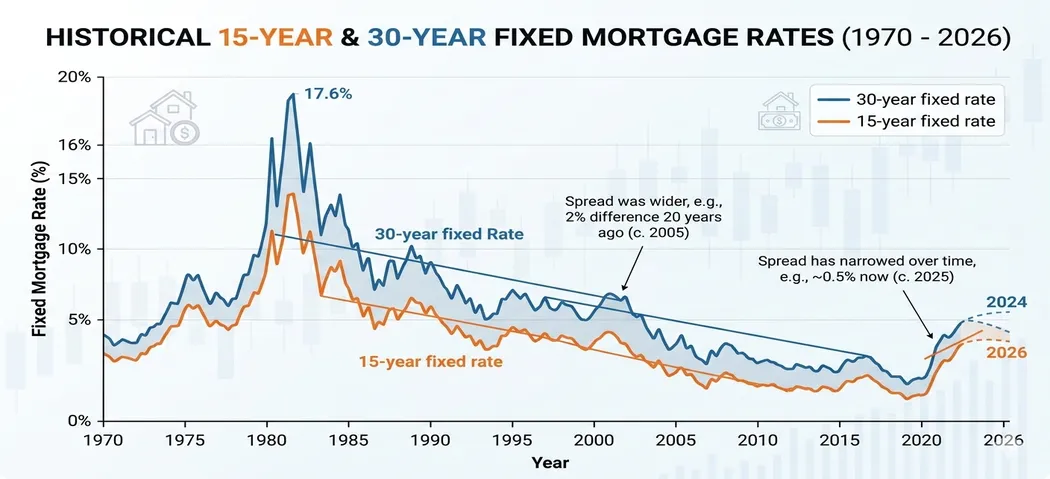
Learn the 4 key components of your monthly mortgage payment.

Compare the pros and cons for your situation.
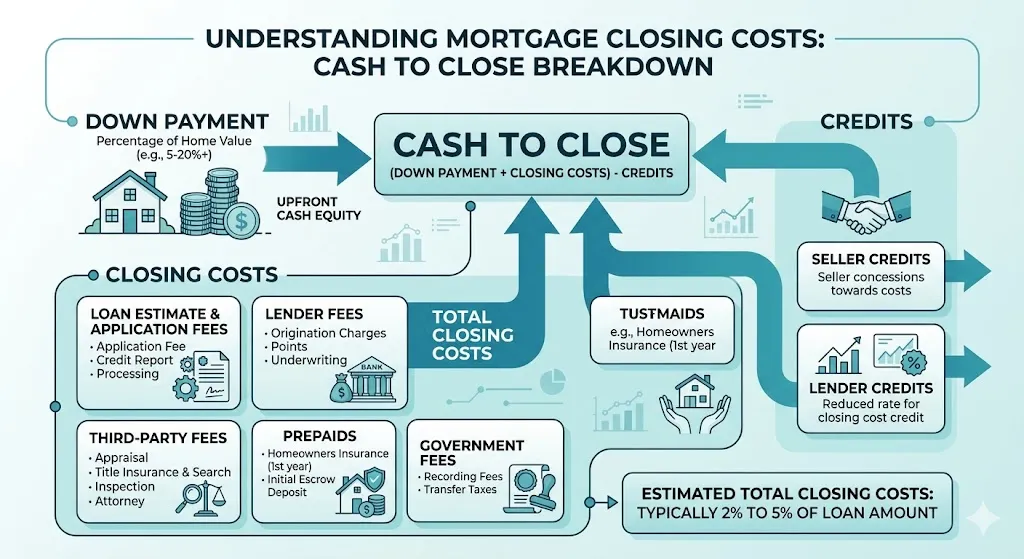
A clear breakdown of how closing costs and down payment combine into your final cash to close
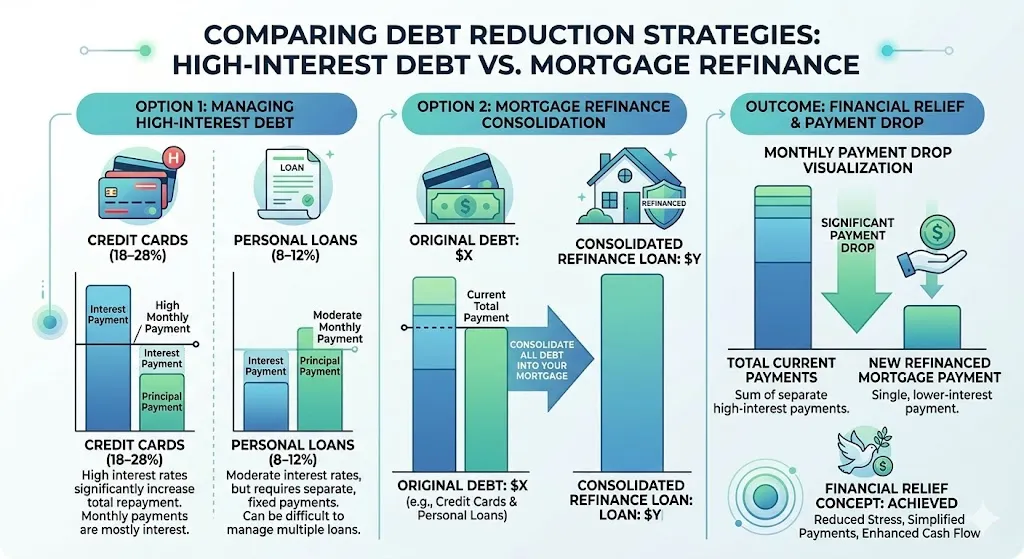
See how consolidating debt into a mortgage can dramatically reduce monthly expenses
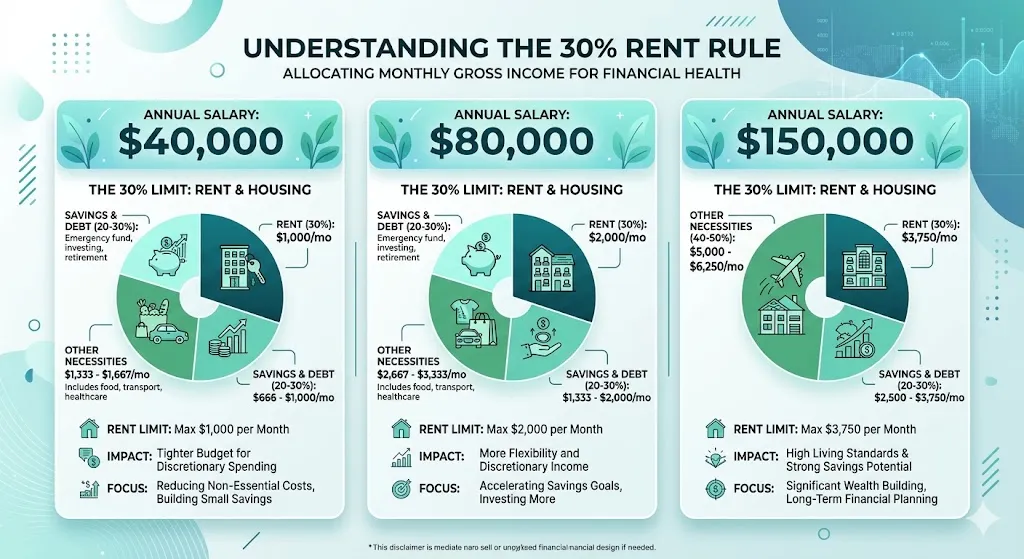
A simple breakdown of how much rent you can afford using the 30% income rule across different salary levels.
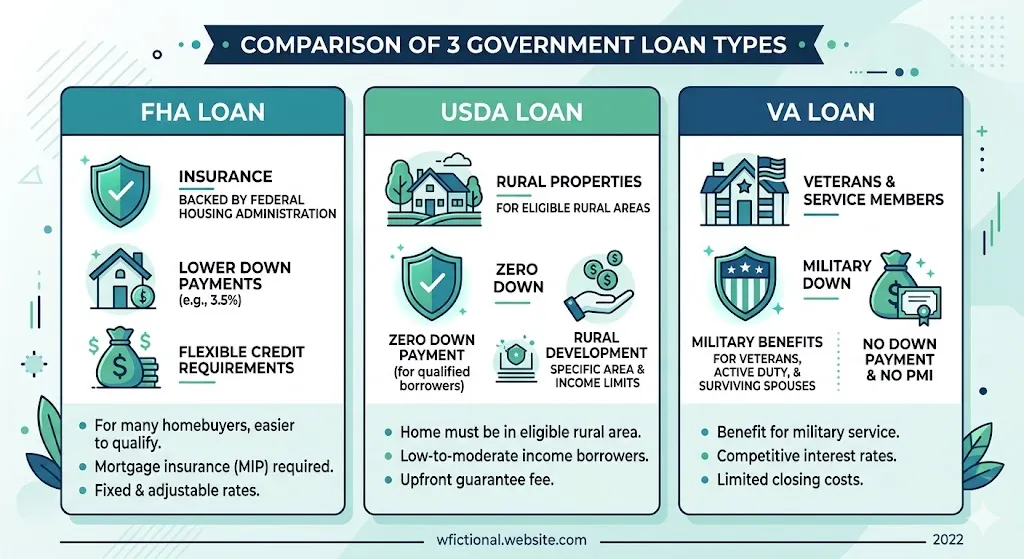
A simple breakdown of the three major government-backed home loan programs and how they differ.
Where to Buy in San Antonio – Neighborhood Breakdown 2026
San Antonio is a sprawling city with more than 300 distinct neighborhoods — and the difference between them can mean a $400,000 swing in home prices. Here's a practical breakdown of where buyers are landing in 2026.
Luxury and High-End Areas
These neighborhoods command a premium, but they consistently hold their value — even when the broader market softens.
-
Alamo Heights — The crown jewel of San Antonio real estate. Just five miles north of downtown, Alamo Heights offers tree-lined streets, top-ranked Alamo Heights ISD schools, and a walkable, tight-knit community feel. Median home price: ~$650,000–$700,000, ranging from renovated Craftsman bungalows in the $400Ks to estates well above $1 million. Homes here sell fast — often in 30 days or less — even in a slow market.
-
Terrell Hills — Adjacent to Fort Sam Houston and Alamo Heights, Terrell Hills is home to some of San Antonio's most prestigious properties. Median home value sits around $850,000–$883,000, with architectural styles ranging from Spanish Revival to Mid-Century Modern. It has its own police department, contributing to very low crime rates.
-
Stone Oak — The quintessential north-side suburb. Gated communities, manicured parks, and North East ISD schools (consistently earning TEA "A" ratings). Median price: ~$450,000–$500,000, with luxury homes topping $1 million. Popular with families, senior officers stationed at JBSA, and healthcare professionals.
-
Olmos Park & Monte Vista — Historic, architecturally distinctive neighborhoods with English-style stone homes and mature landscaping. Prices range from $250,000 for modest properties to near $1 million for renovated estates. Close to Brackenridge Park and the San Antonio Zoo.
Affordable and Up-and-Coming Areas
San Antonio's buyer-friendly market in 2026 is opening doors in neighborhoods that were barely on the radar a few years ago. These areas suit first-time buyers, investors, and anyone willing to trade brand-new construction for character and location.
-
Alamo Ranch — The go-to for families on the northwest side near Lackland AFB. Newer construction, strong Northside ISD schools, and homes starting in the low $300Ks. Hugely popular with military homeowners and growing families who want space without the Stone Oak price tag.
-
Denver Heights & Beacon Hill — Two up-and-coming neighborhoods within 10 minutes of downtown. Prices range from $200,000 to $350,000 with strong appreciation potential as revitalization projects continue pushing eastward from the Pearl District.
-
Southtown / Lavaca — San Antonio's arts and culture hub, adjacent to the River Walk. A mix of renovated historic homes and new condos, with median prices around $300,000–$450,000. Ideal for young professionals who want walkability, galleries, and weekend farmers markets at their doorstep.
-
Tobin Hill — Close to the Pearl District and downtown employment centers, with condo and townhouse options starting around $350,000. Great public transit access and a vibrant community culture. A top pick for remote workers and creatives.
-
Cibolo, Schertz & Universal City — Affordable eastern suburbs along the I-35 corridor, with new construction starting around $200,000. Popular with military families near Randolph AFB. Schertz was ranked the #1 safest San Antonio suburb in 2025.
Areas with Economic Challenges
Like every major U.S. city, San Antonio has neighborhoods where poverty rates are higher and housing conditions are more variable. The South Side, West Side, and parts of the East Side — including areas like Harlandale, Edgewood, and Government Hill — have historically faced underinvestment, lower school district ratings, and higher crime statistics relative to the metro average.
That said, several of these areas are actively changing. City-backed revitalization initiatives, infrastructure improvements, and rising investor interest are quietly reshaping corridors like Dignowity Hill and parts of East San Antonio. Buyers willing to do their homework can find significant value — but it's important to research specific blocks, not just zip codes, and to work with a local agent who knows the neighborhood well.
Economic Zones and Local Economy in San Antonio
San Antonio's economy is one of its most underrated assets. The city has long been anchored by four pillars — military, healthcare, tourism, and education — but in 2025–2026, a wave of new investment is adding a fifth: advanced manufacturing and tech.
Major Employers and Industries
- Military: Joint Base San Antonio (JBSA) is one of the largest military installations in the U.S. and the single largest employer in the metro, supporting tens of thousands of active-duty personnel, civilian employees, and contractors.
- Healthcare & Bioscience: University Health System, Baptist Health System, Christus Health, and UT Health San Antonio are major anchors. A new 103,000 sq. ft. Center for Brain Health opened in late 2025, signaling continued healthcare investment.
- Corporate Headquarters: USAA (financial services), Valero Energy, H-E-B Grocery, Whataburger, Frost Bank, NuStar Energy, and Southwest Business Corporation (SWBC) are all headquartered here — collectively employing tens of thousands of San Antonians.
- Cybersecurity & Tech: The presence of NSA's Texas Cryptologic Center, UTSA's National Security Collaboration Center, and a growing cluster of defense-tech firms make San Antonio one of the nation's top cybersecurity hubs.
- Manufacturing: Toyota's plant on the south side employs thousands and is expanding with a $531 million investment in a new rear axle assembly facility, adding 400+ jobs by 2026. British machinery maker JCB is also opening a massive 720,000 sq. ft. factory on the Southside in 2026, projected to employ 1,500 workers within five years.
- Aerospace & Defense: Boeing, General Dynamics, and StandardAero operate out of Port San Antonio. The aerospace cluster grew 27% from 2016–2023 and continues to expand.
Salary Ranges and Economic Snapshot
- Median household income: ~$62,900–$72,000 per year, which is roughly 20% below the national median — but cost of living is also 8–9% below the national average, so purchasing power stretches further.
- Average salary (all professions): ~$72,000/year or ~$27.74/hour
- Financially comfortable salary (single adult): SmartAsset estimates $83,242/year in 2026 — the lowest threshold of any major U.S. city, and ~$3,500 lower than last year.
- Unemployment rate: 3.7% as of December 2025 — below the state average of 3.9% and the national rate
- Job growth: 13,000 jobs added over 2025 in the metro; San Antonio was #1 in Texas for job creation in 2024, and 3rd nationally
The big economic story for 2025–2026 is the city's $7.5 billion in capital investment from global and domestic firms, alongside a project pipeline representing an additional 21,000 potential jobs and $14 billion in near-term investment. The Alamo City is no longer just a military and tourism economy — it's building a genuine 21st-century industrial base.
Cost of Living Snapshot
One of San Antonio's most compelling selling points for homebuyers is simply how affordable it is to live here — not just to buy, but to actually stay. Here's a practical breakdown of what owning a home in the Alamo City actually costs day to day.
Property Taxes
- Effective property tax rate: Approximately 2.1%–2.5% of assessed home value (varies by school district and municipal overlay)
- On a $290,000 home, expect a property tax bill of roughly $6,100–$7,250 per year (~$510–$604/month)
- Bexar County's combined rate is approximately 2.27% — higher than many states, but Texas has zero state income tax, which more than compensates for most middle-income earners
- Good news: Texas offers a homestead exemption that can meaningfully reduce your taxable value — file with the Bexar County Appraisal District within the first year of ownership
Homeowners Insurance and HOA Fees
- Homeowners insurance: Texas rates are above the national average due to weather risk (hail, flooding near low-lying areas). Budget approximately $1,500–$2,500/year depending on home size, location, and coverage level
- HOA fees: Common in master-planned communities like Stone Oak, Shavano Park, and Alamo Ranch. Monthly fees typically range from $30–$150, covering common area maintenance, amenities, and community standards
- Many central and historic neighborhoods (Southtown, Tobin Hill, Monte Vista) have no HOA at all — a meaningful cost advantage
Commute Times and Transportation
- San Antonio is a car-dependent city — the vast majority of residents commute by personal vehicle
- Average commute: 25–30 minutes depending on where you live and work; north-side residents commuting downtown can hit traffic on US-281 and Loop 1604 during peak hours
- VIA Metropolitan Transit provides bus service across the city; monthly public transit costs average around $38/month
- Gas and transportation costs run about 8% below the national average — a real bonus for a car-centric metro
- Traffic is notably lighter than Austin or Dallas, and San Antonio consistently scores well on commute ease for a city of its size
Schools and Family-Friendly Notes
- Top school districts: Alamo Heights ISD (consistently the highest-rated in South Texas), North East ISD (Stone Oak area), Northside ISD (Helotes/Alamo Ranch), and Schertz-Cibolo-Universal City ISD all earn strong Texas Education Agency ratings
- San Antonio is home to 15 area colleges and universities, including UTSA, Trinity University, St. Mary's, and Our Lady of the Lake — a huge asset for families and a driver of neighborhood demand near campuses
- Overall cost of living in San Antonio is 8–9% below the national average, with grocery prices 7% lower and utilities 15% lower than the U.S. norm
- Childcare costs average around $8,759/year — ranked 31st nationally, meaning it's more affordable than most major metros
The bottom line: San Antonio gives you a lot of city for your dollar. Strong job growth, a diversifying economy, genuinely affordable day-to-day costs, and buyer-friendly market conditions in 2026 make this one of the most compelling places in the Sun Belt to put down roots right now — and the numbers back that up.
Best Mortgage Options for Different Salaries in San Antonio
San Antonio's combination of affordable home prices, generous assistance programs, and military-friendly lending makes it one of the best cities in America for buyers at almost every income level. Here's a practical roadmap based on your household income.
Low-to-Mid Income: $40,000–$80,000 Household
This income range is exactly who San Antonio's local and state programs were built for. Don't assume you can't afford to buy here — with the right stacking of programs, many buyers in this bracket close with little to nothing out of pocket.
-
Best loan type: FHA (3.5% down)
- Requires a minimum 580 credit score for 3.5% down
- On a $290,000 home, down payment = ~$10,150
- FHA rates currently run slightly below conventional — a real advantage
-
Stack with San Antonio's HIP 80 Program
- Provides $1,000–$30,000 in 0% interest, forgivable down payment assistance
- Fully forgiven over 10 years if you stay in the home
- Income limit: household earnings at or below 80% of Area Median Income (~$41,550–$73,550 depending on household size)
- Must buy within San Antonio city limits
-
Also explore: TSAHC Home Sweet Texas
- Up to 5% of the loan amount in down payment assistance (grant — never repaid)
- 620 minimum credit score; available to first-time and repeat buyers
- Can be layered with a Mortgage Credit Certificate (MCC) for annual federal tax savings up to $2,000/year
-
VA Loan (if eligible): Zero down payment, no mortgage insurance — the single best mortgage product available for qualifying military members and veterans. With JBSA in San Antonio, a large portion of local buyers qualify.
Real scenario: A household earning $68,000/year with a 620 credit score and $8,000 saved can purchase a $275,000 home using FHA + HIP 80, often covering the entire down payment and closing costs through assistance — leaving savings intact.
Middle Income: $80,000–$150,000 Household
At this income level, you have real flexibility. You can likely qualify for a conventional loan, access more of San Antonio's housing stock, and build equity faster with a larger down payment.
-
Best loan types: Conventional (3–20% down) or VA
- HomeReady or Conventional 97 (3% down) work well for buyers with 680+ credit scores — lower mortgage insurance than FHA in many cases
- 20% down ($58,000 on a $290K home) eliminates PMI entirely and drops monthly payments meaningfully
-
TSAHC Homes for Texas Heroes — If you're a teacher, nurse, first responder, corrections officer, or veteran, this program offers 5% DPA plus a free Mortgage Credit Certificate. It's a powerful combination.
-
Consider a 15-year fixed at ~5.77% if your budget supports the higher payment — you'll build equity dramatically faster and pay significantly less interest over the life of the loan.
-
Target neighborhoods: Stone Oak, Alamo Ranch, Helotes, Schertz — all well within reach at a $350,000–$500,000 purchase price on this income level.
Higher Income: $150,000+ Household
San Antonio's luxury market remains remarkably affordable compared to Austin or Dallas. Buyers in this bracket can access premium neighborhoods without stretching their budget.
-
Conventional or Jumbo loans — Jumbo rates in San Antonio are running around 6.41% as of April 2026, competitive for a 30-year fixed
- A 20% down payment on a $700,000 Alamo Heights home = $140,000 down, with a monthly P&I of approximately $3,600 — very manageable on a dual six-figure income
- Consider a physician loan or professional loan if you're a doctor, attorney, or executive — several lenders offer these with low-to-no down payment and no PMI
- Terrell Hills, Alamo Heights, and Stone Oak offer strong long-term appreciation and consistent resale demand — good places to park equity
Local Success Stories and Practical Tips
Sometimes the best way to understand what's possible is to see how real San Antonio buyers are navigating the 2026 market. Here are three common scenarios — and what made them work.
Maria & Carlos — First-Time Buyers, West Side
Combined income of $72,000. They'd been renting a 2-bedroom apartment for $1,650/month and weren't sure they could afford to buy. With help from a HUD-approved housing counselor, they discovered they qualified for FHA plus San Antonio's HIP 80 program.
- Home purchased: $275,000, West Side
- Down payment covered: HIP assistance + seller closing cost credit
- Out-of-pocket at closing: Under $2,000
- New monthly payment: ~$1,920 — only $270 more than rent, but building equity every month
James — Active-Duty Military, North Side
Stationed at JBSA-Fort Sam Houston, James used a VA loan to purchase a $385,000 home in the Converse/Schertz area — zero down payment, no mortgage insurance, and a rate under 6%. His monthly payment came in lower than comparable rentals in the area, and he's building equity toward a future investment property.
The Hendersons — Downsizing Retirees, Tobin Hill
Selling a larger home in Stone Oak, the Hendersons were cash-rich and used proceeds to purchase a $320,000 townhome near the Pearl District outright — no mortgage at all. For buyers with equity from a prior home, San Antonio's balanced market in 2026 offers excellent options for strategic downsizing into walkable, lower-maintenance properties.
Actionable Tips for San Antonio Buyers in 2026
- File for your homestead exemption immediately after closing — it can reduce your taxable property value significantly and caps annual tax increases at 10%
- Get pre-approved before you shop — sellers still favor buyers with strong pre-approval letters, even in a buyer's market
- Negotiate hard on older listings — with 82–95 average days on market, any home sitting more than 60 days is very likely negotiable on price, closing costs, or rate buydowns
- Ask about temporary rate buydowns — many San Antonio builders and motivated sellers are funding 2-1 buydowns that drop your rate by 2% in year one and 1% in year two
- Complete a homebuyer education course early — required for most assistance programs; typically $50–$100 and available online; completing it early keeps you eligible for more options
- Military buyers: use your VA benefit — with no down payment, no PMI, and competitive rates, it's the strongest loan product in the market by a wide margin
Frequently Asked Questions about Mortgages in San Antonio
-
What credit score do I need to buy a home in San Antonio?
Most conventional loans require a 620–640 minimum. FHA loans can go as low as 580 (for 3.5% down) or even 500 (with 10% down). VA loans have no official minimum, though most lenders prefer 620+. Higher scores unlock better rates — every 20-point improvement can lower your monthly payment.
-
How much do I need for a down payment?
Less than most people think. FHA requires 3.5%, conventional can be as low as 3%, and VA loans require zero down. With San Antonio's HIP 80 and TSAHC programs, many qualified buyers cover the entire down payment through assistance — and some close with no money out of pocket beyond the inspection fee.
-
Are property taxes really that high in San Antonio?
They are above the national average — roughly 2.1%–2.5% of assessed value — but Texas has no state income tax. For most middle-income earners, the absence of state income tax more than offsets the higher property tax bill. Be sure to budget for taxes inside your monthly payment, not as a separate surprise.
-
Is it a good time to buy in San Antonio in 2026?
For buyers who are financially ready, yes. Inventory is up 28–35% year-over-year, homes are sitting longer, sellers are offering concessions, and prices are growing modestly rather than surging. You have negotiating power that hasn't existed in years — and locking in today means you're positioned to refinance if rates drop further.
-
Can I use down payment assistance with a VA or FHA loan?
Yes — many assistance programs in San Antonio (including HIP 80 and TSAHC) are designed specifically to work alongside FHA and VA loans. VA buyers may not need DPA at all given the zero-down benefit, but it can sometimes help cover closing costs.
-
How long does it take to close on a home in San Antonio?
Most purchase loans close in 25–35 days from a signed contract. VA loans can take slightly longer due to the VA appraisal process. Working with a lender that does upfront underwriting can shorten the timeline considerably.
Ready to Buy in San Antonio? Start Here
San Antonio in 2026 is offering buyers something rare: genuine opportunity without the pressure. Home prices are stable and affordable, sellers are willing to negotiate, assistance programs can dramatically reduce your upfront costs, and the city's economic trajectory points upward. Whether you're a first-time buyer, a military family, a growing household, or a downsizer looking to simplify — the Alamo City has a path to homeownership for you.
The smartest first step is understanding what you can actually afford — not just the purchase price, but the full monthly picture including taxes, insurance, and HOA if applicable. That's exactly what the mortgage calculator on this page is designed to help you figure out.
- Plug in a home price from San Antonio's market — start around $260,000–$300,000 for a realistic median-range estimate
- Try different down payment amounts to see how FHA (3.5%) compares to conventional (5% or 20%)
- Use the current San Antonio rate of approximately 6.38%–6.46% as your baseline for a 30-year fixed
- Don't forget to add the estimated property tax (~2.27% annually) and homeowners insurance to get your true all-in payment
Once you know your number, the next step is getting pre-approved — ideally with a lender who knows San Antonio's assistance programs and can help you stack benefits strategically. The market is moving at a deliberate pace right now, which means you have time to make a smart, informed decision.
Use the calculator below to run your own San Antonio mortgage scenarios — and take the first step toward calling the Alamo City home.
Mortgage Services in Other Cities

New York City
Get accurate mortgage estimates, PITI calculator, and competitive rates for New York City home buyers.
Explore New York →

Los Angeles
Calculate monthly payments and compare fixed & adjustable mortgage rates in Los Angeles.
Explore Los Angeles →

Chicago
Instant mortgage payment calculator with current rates for Chicago homebuyers in 2026.
Explore Chicago →

Phoenix
Find the best mortgage options and estimate payments for homes in Phoenix, Arizona.
Explore Phoenix →

Philadelphia
Affordable mortgage solutions and FHA, VA, USDA loan options for Philadelphia buyers.
Explore Philadelphia →

San Antonio
Easy mortgage calculator with current interest rates for San Antonio home purchases.
Explore San Antonio →

San Diego
Compare mortgage lenders and calculate payments for properties in San Diego.
Explore San Diego →

Dallas
Fast mortgage estimates and expert loan guidance for Dallas-Fort Worth area buyers.
Explore Dallas →

San Jose
High-value mortgage solutions and rate comparisons for San Jose homebuyers.
Explore San Jose →

Houston
Reliable mortgage tools and current rates for Houston metropolitan area buyers.
Explore Houston →
About the Author
This article was written by the Me (Pardeep) and My Financial Guide Team,
a group of researchers focused on mortgage education and home financing tools.
Our goal is to help home buyers understand mortgage payments, interest rates,
and loan options through simple guides and calculators. Last Updated: April 2026