San Diego Mortgage Process 2026 – Coastal Home Financing Flow
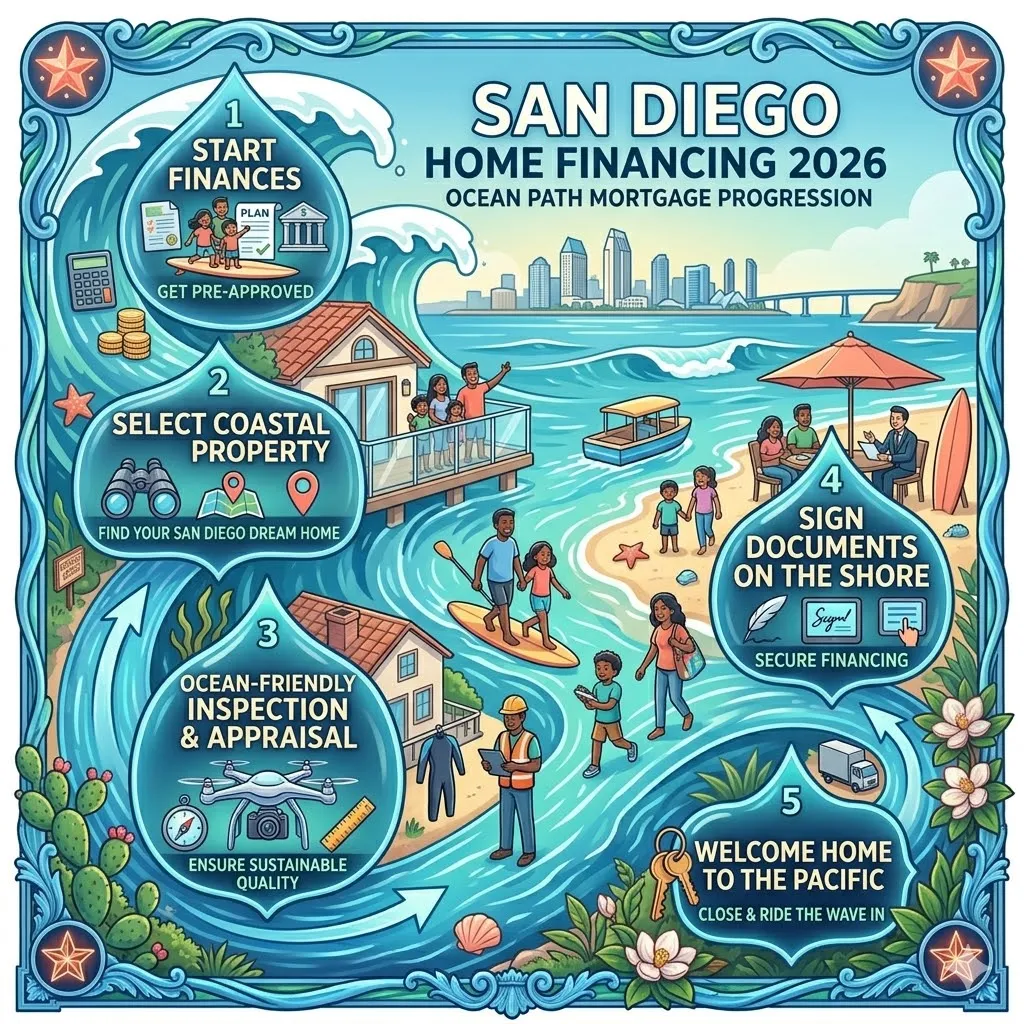
Ride the wave of homeownership with this San Diego mortgage guide
Mortgage and Housing Guide for San Diego, USA – 2026 Edition
Buying a home in San Diego is one of the most significant financial decisions you'll make — and one that comes with a uniquely complex set of trade-offs between price, lifestyle, and long-term wealth. This guide gives San Diego buyers the real 2026 numbers, the honest context, and the practical tools to make a confident move in one of America's most desirable — and expensive — housing markets.
Current Mortgage Rates in San Diego (April 2026)
San Diego is classified as a high-cost housing market, which meaningfully changes the mortgage landscape here compared to most of the country. The good news: rates have retreated significantly from their 2023 peak of nearly 8%, and April 2026 is looking more manageable for buyers with the right financial profile.
Here's where rates stand as of early April 2026:
- 30-Year Fixed (Conventional): ~6.46% nationally (Freddie Mac, April 2); California lenders are quoting 6.50%–6.75% for well-qualified borrowers
- 15-Year Fixed: ~5.77%–5.93% — a strong option for buyers who can handle the higher monthly payment and want to build equity faster
- FHA 30-Year Fixed: ~6.25%–6.75% — slightly below conventional for buyers using this government-backed product; San Diego's FHA loan limit is a generous $1,149,825
- VA 30-Year Fixed: ~6.00%–6.50% — the best rates available, with no down payment required; critical for San Diego's enormous military community
- Jumbo Loans (above $1,104,000): ~6.50%–7.25% — jumbo financing is standard in San Diego's coastal and luxury markets, and requires stronger credit, higher reserves, and typically 10–20% down
The national 30-year average sits around 6.46%, and San Diego buyers are seeing rates in a similar band. The biggest local difference is the conforming loan limit — at $1,104,000 for a single-family home in San Diego County, far more buyers here qualify for conforming (non-jumbo) rates than they would in lower-cost markets, which is a meaningful advantage.
Most forecasters expect rates to drift gradually lower through 2026, potentially reaching the high-5% range by year-end. But waiting for a "perfect" rate in a supply-constrained market like San Diego carries its own risk: lower rates historically bring more buyers — and more competition — off the sidelines.
San Diego Housing Market Snapshot 2026
San Diego's housing market in early 2026 is best described as recalibrating toward balance — still very expensive by national standards, but measurably more rational than the pandemic-era frenzy. Here's the current picture:
- Median Sale Price (City of San Diego): ~$930,000 as of February 2026, down ~5.7% year-over-year per Redfin — though much of this reflects seasonal patterns and condo softening rather than a structural decline
- County-Wide Single-Family Median: ~$1,050,000, up approximately 3% year-over-year as of late 2025
- Average Home Value (Zillow ZHVI): ~$950,000, reflecting the blended picture across all property types
- Days on Market: Approximately 34 days on average (up from 27 days a year ago) — buyers have more time to think, but well-priced homes in desirable neighborhoods still move in under 30 days
- Sale-to-List Price Ratio: ~99% — homes are selling very close to asking price, meaning there's little room for aggressive lowballing in most areas
- Inventory: Improving but still constrained; months of supply is around 2.2–3.0 months depending on property type — well below the 6-month threshold for a balanced market
- 2026 Price Forecast: Moderate appreciation of +2% to +4% countywide, with coastal single-family homes in top school districts expected to outperform
The headline numbers can be a bit misleading. San Diego is really dozens of micro-markets. La Jolla, Del Mar, and Coronado continue to command premium prices with limited inventory. Inner-city condos and downtown units have softened more noticeably. Entry- and mid-level homes priced well are still drawing multiple offers in the right neighborhoods.
One structural note that matters for long-term buyers: San Diego faces chronic undersupply — limited buildable land, strict zoning, high construction costs, and strong in-migration keep a floor under prices in a way that most other U.S. markets simply don't have. The average San Diego homeowner now holds over $400,000 in equity, which tells you just how durable this market has been.
Rent vs. Buy in San Diego – Which Makes More Sense Right Now?
This is the defining question for anyone living in San Diego. The city ranks among the most expensive rental markets in the U.S., with the average apartment running nearly $2,960/month. But buying isn't cheap either — not at a $930,000–$950,000 median price point. Here's the honest comparison.
Renting in San Diego (2026 Averages)
- Studio apartment: ~$2,206/month
- 1-bedroom apartment: ~$2,649/month
- 2-bedroom apartment: ~$3,225/month
- 3-bedroom apartment or single-family home rental: ~$3,950–$5,000+/month depending on neighborhood
- Overall median rent (all property types): ~$2,750–$2,960/month
- San Diego rents are approximately 44% above the national average
Buying in San Diego (2026 Numbers)
- Median home purchase price: ~$930,000–$950,000
- Down payment (10%): ~$95,000
- Loan amount: ~$855,000
- Estimated monthly mortgage (6.46%, 30-yr fixed): ~$5,370 (principal + interest only)
- Add property taxes (~1.1% annually): ~$870/month
- Add homeowners insurance: ~$150–$200/month
- Estimated all-in monthly cost: ~$6,400–$6,600/month
- Required household income to qualify comfortably: roughly $130,000–$160,000/year
Side-by-Side Comparison
-
Renting a 2-bedroom apartment
- Monthly cost: ~$3,225
- Pros: Lower monthly outlay, flexibility, no maintenance costs, lower income required
- Cons: No equity, rent can increase annually (up to 5% + CPI under California law), no tax benefits, no long-term wealth building
-
Buying a median-priced home (~$950,000)
- All-in monthly cost: ~$6,400–$6,600
- Pros: Building equity in a historically appreciating market, fixed mortgage payment, tax deductibility of mortgage interest, long-term wealth creation, freedom to renovate
- Cons: Significant upfront capital required ($95,000+ down payment), high income needed to qualify, maintenance and HOA responsibility, less flexibility to relocate
The honest verdict: in San Diego, the rent-vs-buy calculation strongly favors long-term buyers who can afford the entry cost. The monthly ownership premium over renting is real — but so is San Diego's track record of appreciation. Homeowners who bought in 2016, 2018, or even 2020 have seen extraordinary equity gains that no amount of renting could replicate.
The question isn't really "rent or buy" — it's "can I afford to buy now?" For buyers who can assemble the down payment and qualify on income, the long-term math of owning in San Diego is compelling. For those still building their financial position, renting while saving aggressively remains a smart bridge strategy — especially given California's tenant protections and the relative stability of San Diego's rental market.
Latest Mortgage Guides & Tips
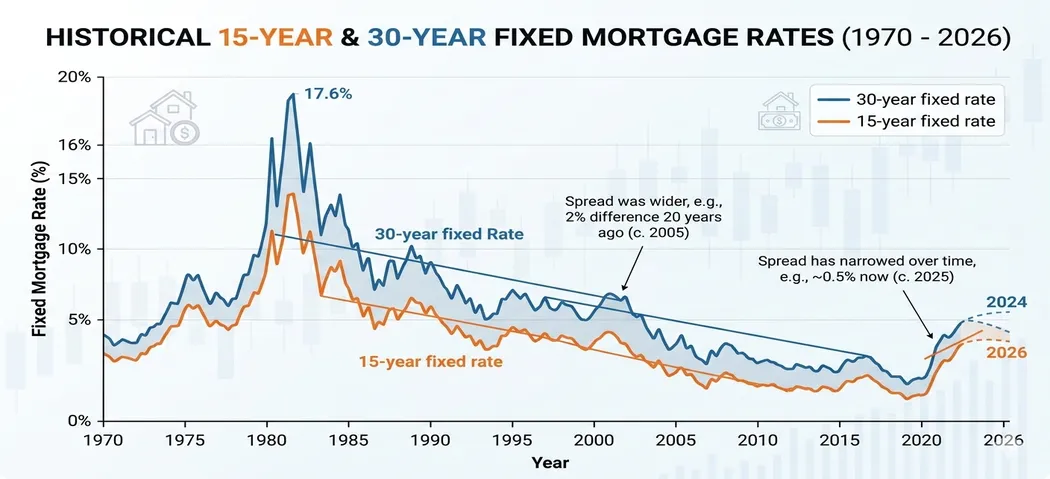
Learn the 4 key components of your monthly mortgage payment.

Compare the pros and cons for your situation.
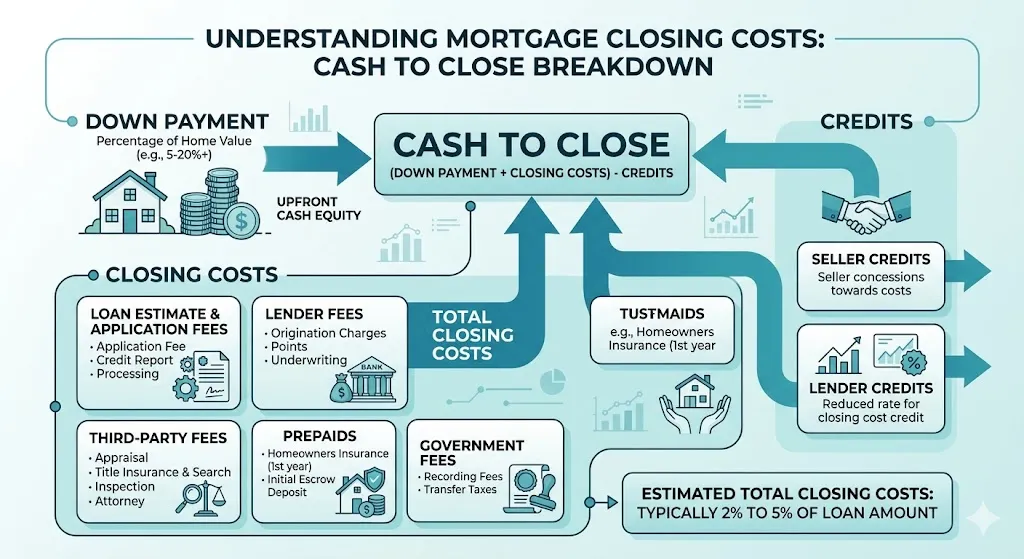
A clear breakdown of how closing costs and down payment combine into your final cash to close
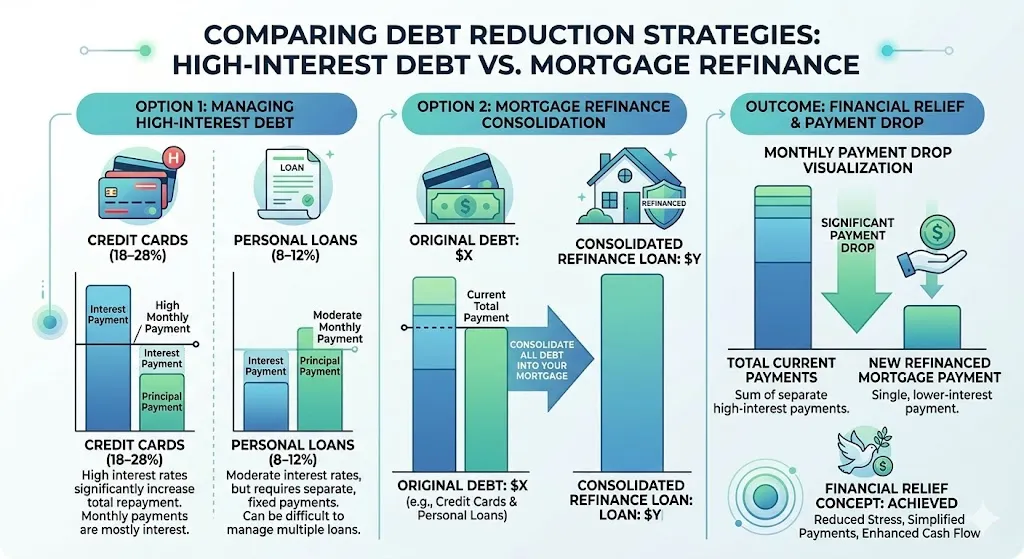
See how consolidating debt into a mortgage can dramatically reduce monthly expenses
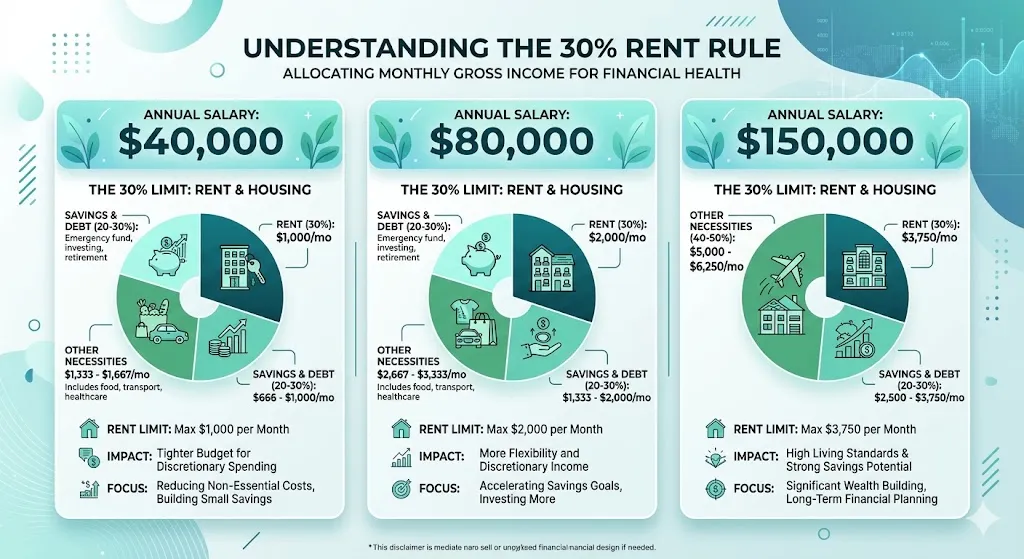
A simple breakdown of how much rent you can afford using the 30% income rule across different salary levels.
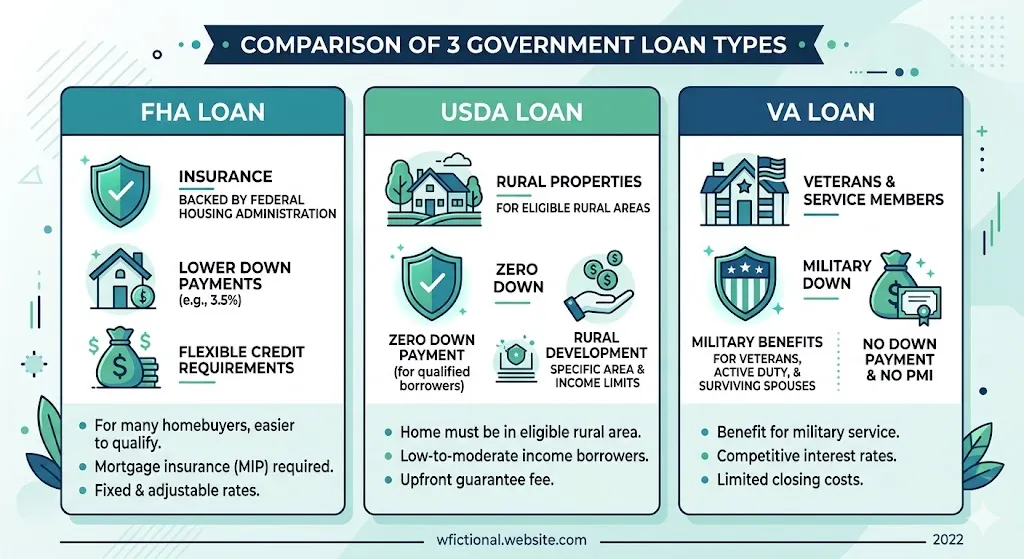
A simple breakdown of the three major government-backed home loan programs and how they differ.
Where to Buy in San Diego – Neighborhood Breakdown 2026
San Diego isn't one market — it's dozens of them stacked on top of each other. A $900,000 budget gets you a modest condo in La Jolla or a spacious single-family home in Chula Vista. Knowing which micro-market fits your goals and income level is the single most important decision you'll make as a San Diego buyer.
Luxury and High-End Areas
These are San Diego's most coveted addresses — places where chronic undersupply, elite school districts, and Pacific Ocean adjacency keep a permanent floor under prices.
-
La Jolla — San Diego's crown jewel. Median single-family home price: $2.5M–$3.2M, with oceanfront estates running $5M–$20M+. Home to UCSD, the Salk Institute, and some of the county's top schools. The biotech executive demographic drives consistent demand. Cash buyers represent 60–68% of La Jolla transactions — which tells you the income profile needed to compete here.
-
Del Mar — A quieter, family-focused coastal village just north of the city. Median prices: $2.5M–$2.8M, with beachfront homes at $4M–$12M+. Del Mar has shown some of the strongest 5-year appreciation in the county (+35%). Limited inventory and top-rated San Dieguito Union High School District keep demand firm.
-
Coronado — An island city across the bay from downtown with a strong military presence (Naval Base Coronado) and the iconic Hotel del Coronado. Median prices: $1.5M–$3M+. Geography caps supply permanently — you simply can't build more Coronado. Bikers, families, and retirees all coexist here in a famously safe, walkable community.
-
Carmel Valley — The top choice for families in North County. Median: $1.4M. Newer construction, master-planned communities, and access to some of the highest-rated public schools in San Diego make this a perennial destination for buyers with children.
-
Rancho Santa Fe — Gated estates, equestrian properties, and celebrity neighbors. Prices typically range from $2M to $8M+. One of the lowest crime rates in the county, period.
Most Affordable and Growing Areas
Yes, "affordable" in San Diego is relative — but these neighborhoods offer genuine value, newer construction, and solid fundamentals for buyers who need to stay closer to the $700K–$1M range.
-
Chula Vista – Eastlake — One of the strongest value plays in the county right now. Single-family homes in the $900K–$977K range in master-planned communities with newer construction, larger lots, and good amenities. Sellers are getting 100.6% of list price, signaling real demand. Condos offer entry closer to $720,000. Best for families who need space and don't require a central San Diego address.
-
Mira Mesa — A centrally located, diverse neighborhood beloved by engineers, tech workers, and military families. Median prices hover around $850,000–$950,000 for single-family homes. Close to Qualcomm, several major defense contractors, and the 805/15 freeways. Consistently recommended for value in the northern part of the city.
-
El Cajon and La Mesa — East County suburbs offering some of the lowest entry points in the metro. El Cajon starts around $500,000–$650,000; La Mesa runs $800,000–$1.15M with a charming downtown village feel. Both suit buyers who work remotely or are willing to commute.
-
Oceanside — Undergoing significant revitalization with a walkable downtown, craft brewery scene, and direct beach access at a fraction of coastal San Diego prices. Median: roughly $800,000–$900,000. North County commuters find this an excellent base. Strong appreciation trend as the area continues to gentrify.
-
City Heights — One of the most affordable central neighborhoods, with a single-family median around $703,000. A dense, diverse, transit-connected community about 4 miles from downtown. Prices reflect proximity to services and urban density rather than school ratings or ocean views.
Up-and-Coming and Best-Value Neighborhoods
-
North Park — The most energetic urban neighborhood in the city right now. Median single-family: $1.13M, but condos offer entry around $490,000. Homes sell at 104.4% of list price — buyers are competing here. North Park leads the city in apartment construction (126 new five-plus-unit building permits in the past year), with new development reshaping University Avenue. The craft beer scene, walkable dining on 30th Street, and proximity to Balboa Park make this the default pick for urban buyers on a budget.
-
Mission Valley — An up-and-coming transformation story. YTD median condo price: $577,000, down 9% year-over-year — creating real negotiating room. The SDSU Mission Valley project and the Riverwalk development will fundamentally reshape this corridor over the next five years. New construction permits are up over 300% year-over-year. Buying here before those projects deliver is a thesis that many local investors are actively pursuing.
-
Linda Vista and College Area — Emerging neighborhoods showing strong development momentum heading into 2026, with building permits up sharply and prices still below the county median. Good for value-oriented buyers willing to hold for 5–7 years.
Areas with Economic Challenges
Like every major U.S. city, San Diego has neighborhoods that carry higher poverty rates and greater socioeconomic stress. San Ysidro, National City, Logan Heights, and parts of City Heights and Southeast San Diego have historically seen higher crime statistics, lower school ratings, and fewer economic resources relative to wealthier coastal areas.
That said, National City is seeing active redevelopment interest, and Logan Heights is undergoing gentrification pressure as buyers are priced out of North Park. If you're considering these areas, research specific blocks carefully, connect with community organizations, and factor in longer timeframes. Prices are lower — but so are the amenity baselines. Context matters.
Economic Zones and Local Economy in San Diego
San Diego's economy is one of the most diversified in the western United States — and that diversification is a major reason why its real estate market has proven so resilient over time. When one sector cools, another typically compensates.
Major Industries and Employers
-
Defense and Military: The single largest economic driver. San Diego is home to the largest concentration of military assets in the world, with Naval Base San Diego, MCAS Miramar, Camp Pendleton, and multiple other installations. Defense spending contributes roughly 23.7% of the region's gross regional product. Major contractors include General Atomics, Northrop Grumman, L3Harris, and SAIC. NAVWAR (Naval Information Warfare Systems Command) alone employs over 5,200 personnel focused on cybersecurity and autonomous defense systems.
-
Life Sciences and Biotech: San Diego is the #3 biotech hub in the nation behind Boston and San Francisco. Nearly 2,000 life science companies generate approximately $54 billion in total economic output annually, supporting 71,448 direct jobs with average salaries exceeding $171,000 — well above the county median. Key employers include Illumina, Dexcom, ResMed, Thermo Fisher, and a growing constellation of AI-driven drug discovery startups clustered around Torrey Pines and Sorrento Valley.
-
Technology: Over 11,000 tech companies call San Diego home. Qualcomm — headquartered here — sustains around 13,000 direct and indirect local jobs and contributes an estimated $4.9 billion in annual economic impact. Average tech salaries run $135,000–$141,000, with senior roles exceeding $200,000.
-
Healthcare: UC San Diego Health (ranked #1 in the region), Sharp HealthCare, Scripps Health, and Kaiser Permanente are among the largest employers. Healthcare remains a growth sector in 2025–2026 with nurses starting around $75,000 and experienced practitioners earning $100,000+.
-
Tourism and Hospitality: San Diego's beaches, theme parks (Legoland, SeaWorld, the Zoo), Comic-Con, and year-round 70°F weather draw millions of visitors annually, sustaining a major employment base in hotels, restaurants, and events.
Salaries and Economic Snapshot 2025–2026
- Median household income: ~$103,000–$115,000 countywide — above the national median, but significantly stretched by local housing costs
- Tech workers: Median ~$135,000; senior software/AI engineers earn $160,000–$250,000+
- Life sciences: Average industry wage exceeds $171,000 for direct biotech jobs
- Healthcare: Nurses $75,000–$120,000; health services managers averaging ~$119,000
- Military / government: Active duty plus generous housing allowances (BAH) make military buyers a consistent and significant segment of the San Diego real estate market
- Employment growth: San Diego's labor market grew 1.4% year-over-year in Q4 2025, with life sciences, healthcare, and defense-tech outperforming
The big 2025–2026 economic story is San Diego's emergence as a clean energy and fusion technology hub. General Atomics and a cluster of new startups are leading what analysts project could generate 43,000 new jobs in the fusion energy ecosystem over the next decade — an enormous potential catalyst for the local economy and housing demand.
Cost of Living Snapshot
San Diego's cost of living sits approximately 47–50% above the national average — with housing as the overwhelming driver. Understanding exactly what ownership costs here is essential before you run any mortgage numbers.
Property Taxes
- Effective property tax rate: Approximately 1.0%–1.25% of assessed value, consisting of California's Proposition 13 base rate (~0.75%) plus local assessments (0.25%–0.50%)
- On a $950,000 home, expect annual property taxes of roughly $9,500–$11,875 (~$790–$990/month)
- Prop 13 advantage: Once you buy, your assessed value can only increase by a maximum of 2% per year — regardless of market appreciation. This creates enormous long-term savings for homeowners who hold their properties
- Important: new builds and recently sold homes are reassessed at purchase price, so factor in the full rate when budgeting
Homeowners Insurance and HOA Fees
- Homeowners insurance: Typically $1,500–$3,000+/year for a median-priced home; wildfire risk (44% of San Diego properties face some wildfire exposure) and coastal proximity can push premiums higher — always get multiple quotes
- HOA fees: Very common in San Diego's condo-heavy and master-planned markets. Budget $200–$600/month for condos; some high-amenity downtown buildings charge $700–$1,000+. Single-family homes in gated communities typically run $100–$350/month
- HOA fees are a real differentiator when comparing properties — a $577,000 condo with a $600/month HOA effectively costs more per month than a $650,000 home without one
Commute Times and Transportation
- Average commute: ~24–28 minutes by car, though this varies enormously by neighborhood and time of day
- San Diego is primarily a car-dependent city; the MTS trolley and bus system covers major corridors but doesn't reach most suburban neighborhoods
- Monthly public transit pass: ~$72/month — useful for downtown workers and SDSU-area commuters
- North County residents (Carlsbad, Oceanside) commuting south should budget 40–55 minutes each way during peak hours on I-5 or I-15
- Gas prices run about $4.29/gallon — meaningfully above the national average, making a shorter commute a real financial consideration
- California state income tax ranges from 1% to 12.3% depending on income bracket — a significant additional cost factor compared to Texas or Florida
Schools and Family-Friendly Notes
- Top school districts: Poway Unified, San Dieguito Union High School District (Del Mar/Carmel Valley), and Solana Beach Elementary consistently rank among the best in California; Carmel Valley and Scripps Ranch within San Diego Unified also earn strong marks
- San Diego is home to UC San Diego, San Diego State University, University of San Diego, and dozens of other colleges — creating strong educational infrastructure and sustained housing demand from faculty, staff, and students
- Family-friendly ratings are strong in neighborhoods like Scripps Ranch, Poway, Carmel Valley, and Coronado — safe streets, parks, top schools, and a deeply outdoor-oriented culture
- Overall cost of living advantage: California's mild climate means lower heating and cooling costs year-round — utilities average $250–$350/month, and San Diego's 70°F average temperature is genuinely a lifestyle and financial asset
The honest cost-of-living summary: San Diego demands a household income of roughly $150,000–$210,000+ to own a median-priced home comfortably by conventional financial guidelines. It's a high bar — but it comes with year-round sunshine, world-class employers, some of America's best beaches, and a remarkably stable long-term real estate market that has rewarded patient buyers for decades.
Best Mortgage Options for Different Salaries in San Diego
San Diego's high price points mean that mortgage strategy matters more here than almost anywhere else in the country. The right loan structure — combined with the right assistance programs — can make the difference between a deal that closes and one that stays a dream. Here's a practical breakdown by income tier.
Low-to-Mid Income: $40,000–$80,000 Household
At this income level, buying in San Diego requires creative financing and a realistic scope of properties. The entry point exists — but it takes planning, the right programs, and willingness to explore inland and emerging neighborhoods.
-
Target neighborhoods: City Heights ($703K median), National City ($550K–$700K), El Cajon (~$500K–$650K), parts of Chula Vista — these are the zip codes where a $40K–$80K income can realistically stretch to homeownership
-
Best loan type: FHA (3.5% down)
- San Diego's FHA loan limit is a generous $1,149,825 — covering the vast majority of homes you'd realistically consider
- Minimum 580 credit score for 3.5% down; rates currently running ~6.25%–6.75%
- On a $600,000 purchase: down payment = $21,000; estimated P&I = ~$3,680/month
-
Stack with San Diego Housing Commission (SDHC) Programs
- The SDHC First-Time Homebuyer Program offers deferred-payment loans of up to 22% of the purchase price for down payment, plus up to 4% (capped at $10,000) for closing costs
- No monthly payments on the assistance — repayment triggered only when you sell, refinance, or move out
- Income must not exceed 80% of San Diego County AMI; purchase price capped around $676,000
-
CalHFA MyHome Assistance — A deferred-payment junior loan of up to 3% of the purchase price for down payment or closing costs; stackable with a CalHFA first mortgage for maximum benefit
-
VA Loans (if eligible) — Zero down, no mortgage insurance, and competitive rates (~6.00%–6.50%). With San Diego's enormous military community, this is the single most powerful financing tool available here. If you have any military service history, check your eligibility before exploring anything else.
Realistic scenario: a buyer earning $75,000 with good credit, using SDHC assistance + FHA, can purchase a $550,000 condo in Chula Vista or City Heights with under $20,000 out of pocket — and in some cases, less with seller closing cost contributions.
Middle Income: $80,000–$150,000 Household
This is the largest pool of San Diego buyers — and the most strategically diverse. At this income, you can reach Chula Vista, Mira Mesa, Oceanside, and even parts of North Park with the right loan structure.
-
Best loan types: Conventional (3–10% down) or VA
- HomeReady (3% down, income limits apply) or standard conventional at 5–10% down
- At $900K purchase with 10% down: loan of $810,000 — still within San Diego's conforming limit of $1,104,000, qualifying for conforming (non-jumbo) rates
- Conforming rates (~6.46%–6.75%) are meaningfully better than jumbo, making the $1.1M threshold an important planning target
-
CalHFA Dream For All — California's shared appreciation loan offering up to 20% of the purchase price (max $150,000) toward the down payment. No monthly payments; repaid when you sell, plus 15–20% of appreciation. A powerful tool for first-generation homebuyers who qualify. The 2026 lottery window closed March 16 — register early for the next round.
-
GSFA Platinum Program — Up to 5.5% of the loan amount in down payment assistance, no first-time buyer requirement, with income limits set at the area's moderate income threshold. More flexible than CalHFA for repeat buyers or those who don't qualify on income limits.
-
15-year fixed at ~5.77% — If household income is at the higher end of this range ($130K–$150K) and you can handle the payments, a 15-year fixed dramatically reduces total interest paid on a large San Diego loan balance
-
Target neighborhoods: Chula Vista–Eastlake ($900K–$977K), Mira Mesa ($850K–$950K), Oceanside ($800K–$900K), North Park condos ($490K+)
Higher Income: $150,000+ Household
At this income level, San Diego's full market opens up — and the strategic choice becomes which product optimizes your payment, equity build, and long-term wealth.
-
Conventional with 20% down — Eliminates PMI entirely and keeps your rate at the best conforming tier. On a $1M purchase: $200,000 down, loan of $800,000 (within conforming limit), monthly P&I ~$5,100 at 6.46%
-
Jumbo loans — Unavoidable for purchases above $1,104,000. Rates currently ~6.50%–7.25%. Require 700+ credit score, 6–18 months reserves, strong income documentation. 10% down jumbo programs exist for well-qualified borrowers, though 20% is more common and gets better pricing.
-
Physician and professional loans — Available to doctors, dentists, attorneys, and other licensed professionals. Often allow low-to-no down payment on jumbo loans with no PMI. Given San Diego's large healthcare employment base, many buyers qualify.
-
VA Jumbo loans — Veterans with full entitlement can access VA financing well above conforming limits — sometimes up to $4 million — with no down payment requirement and no PMI. This is genuinely the best jumbo product available for eligible buyers.
-
Target neighborhoods: Carmel Valley ($1.4M), Del Mar ($2.5M+), La Jolla ($2.5M–$3M+), Coronado ($1.5M–$3M+), Rancho Santa Fe ($2M–$8M+)
Local Success Stories and Practical Tips
The best way to understand what's possible in San Diego's complex market is to see how real buyers are getting it done in 2026.
Sofia — First-Time Buyer, Chula Vista
Sofia, a healthcare administrator earning $82,000/year, had been renting a 1-bedroom in Mission Valley for $2,300/month. She assumed homeownership in San Diego was years away. Working with a CalHFA-approved lender, she combined an FHA first mortgage with the SDHC deferred loan program, covering most of her down payment on a $720,000 townhome in Eastlake. Her all-in monthly cost came in at approximately $4,900 — more than rent, but she's building equity in a neighborhood that has appreciated steadily.
Marcus & Keiko — Military Family, Mira Mesa
Marcus is active duty Navy, stationed at Naval Base San Diego. The couple used a VA loan to purchase a $875,000 single-family home in Mira Mesa — zero down payment, no mortgage insurance, and a rate of 6.1%. The seller contributed $15,000 toward closing costs. Their monthly payment is lower than comparable rentals in the neighborhood, and Marcus's housing allowance (BAH) covers a significant portion of the mortgage. For military families in San Diego, VA financing remains the most powerful tool in the market.
The Petersons — Downsizers, North Park
The Peterson family sold their 4-bedroom home in Carmel Valley and used the equity to purchase a $720,000 condo in North Park outright — no mortgage. For sellers transitioning to lower-maintenance urban living, San Diego's buyer-friendly 2026 market created an opportunity to negotiate well below list price on a unit that had been sitting for 60+ days. They now walk to Balboa Park, pay no HOA above $350/month, and have zero housing debt.
Actionable Tips for San Diego Buyers in 2026
- Know your conforming limit: Staying below $1,104,000 in loan amount keeps you in conforming (non-jumbo) pricing — a meaningful rate advantage. Structure your purchase price and down payment with that threshold in mind.
- Military buyers: verify your VA entitlement first — before you look at a single home. VA financing in San Diego is not just for lower price points; VA Jumbo loans can reach $4M+ with full entitlement and no down payment.
- Watch days on market — any listing past 45 days in 2026 San Diego is negotiable. Target those properties for price reductions, closing cost credits, or rate buydowns from the seller.
- Budget for HOA carefully — a $577,000 Mission Valley condo with a $600/month HOA costs more monthly than a $650,000 Chula Vista home with no HOA. Always compare apples to apples on total monthly cost.
- Lock early with a float-down option — rates are volatile in 2026. If you're in contract and the payment works, lock with a float-down clause so you can capture any rate improvement before closing.
- Complete homebuyer education now — CalHFA and SDHC programs require an 8-hour course; eHome's online version costs $100 and can be done anytime. Having your certificate ready keeps you eligible for last-minute program opportunities.
- ADUs are a San Diego superpower — if you're buying a single-family home, check whether the lot qualifies for an Accessory Dwelling Unit. A well-built ADU can add $100K–$200K in property value and generate $2,000–$3,000/month in rental income — effectively subsidizing your mortgage.
Frequently Asked Questions about Mortgages in San Diego
-
What credit score do I need to buy in San Diego?
FHA loans accept 580+ for 3.5% down; conventional loans typically require 620–640+; CalHFA programs generally require 660–680 minimum; jumbo loans usually require 700+, with 720–740 preferred for the best rates and terms.
-
How much do I need for a down payment?
Less than most people assume. FHA requires 3.5%, conventional can be 3–5%, VA loans require zero down. With SDHC assistance (up to 22% of purchase price) or CalHFA MyHome stacked on a CalHFA first mortgage, many qualified first-time buyers close with minimal out-of-pocket cash.
-
What is San Diego's conforming loan limit for 2026?
The conforming loan limit for San Diego County is $1,104,000 for a single-family home. Loans above this amount are classified as jumbo and carry different rates and qualification requirements. The FHA limit is even higher at $1,149,825.
-
Is it worth waiting for rates to drop before buying in San Diego?
In a supply-constrained market like San Diego, lower rates historically bring more buyers — and more competition. Most local experts recommend buying when the payment is workable and refinancing if rates drop meaningfully later. As the saying goes in San Diego real estate: marry the house, date the rate.
-
Are San Diego property taxes really low for California?
Relatively, yes. California's Proposition 13 caps your base tax rate at 0.75%–1% of purchase price, with annual increases limited to 2%. On a $950,000 home, expect roughly $9,500–$12,000/year. The long-term predictability is a genuine advantage compared to states that reassess annually at market value.
-
How long does it take to close a home purchase in San Diego?
Conventional and jumbo loans typically close in 21–30 days from a signed contract. FHA and VA loans run 25–35 days. CalHFA and DPA programs can add 5–10 days to the timeline. Working with a lender who controls their own underwriting significantly reduces the risk of delays.
-
What household income do I need to buy a median-priced San Diego home?
At the ~$930,000–$950,000 median with 10% down, you'll need roughly $130,000–$160,000 in household income to qualify comfortably, depending on loan type, existing debts, and interest rate. VA and FHA allow slightly higher debt-to-income ratios. More affordable options in Chula Vista (~$900K–$977K) or City Heights (~$703K) lower that threshold meaningfully.
Ready to Buy in San Diego? Start Here
San Diego doesn't make homeownership easy — but it makes it meaningful. This is a market where supply is structurally limited, demand is consistently strong, and the buyers who get in are building real, durable wealth. In 2026, conditions are more balanced than they've been in years: homes are sitting longer, sellers are negotiating, and assistance programs have never been more sophisticated.
Whether you're a military family ready to use a VA loan, a first-time buyer eyeing Chula Vista or City Heights with CalHFA help, or a tech professional targeting Carmel Valley with a jumbo loan — the math starts with your monthly payment. And that math starts with the calculator right here on this page.
- Start by entering a realistic San Diego purchase price — try $700,000 for condos, $930,000 for the city median, or $1.1M for a North County single-family home
- Test different down payment amounts: 3.5% (FHA), 10% (conventional or jumbo), and 20% (optimal for jumbo or PMI elimination)
- Use the current 30-year fixed baseline of approximately 6.46%, or try 6.0% to model a VA loan scenario
- Don't forget to layer in property taxes (~1.1%–1.25% annually), homeowners insurance (~$150–$250/month), and HOA fees if applicable
Once you know your number, the next step is connecting with a lender who knows San Diego's assistance programs, conforming loan thresholds, and military financing options — and getting pre-approved before you walk into your first open house. In America's Finest City, preparation is the edge that turns buyers into homeowners.
Run your numbers with the calculator below — and take your first real step toward owning a piece of San Diego.
Mortgage Services in Other Cities

New York City
Get accurate mortgage estimates, PITI calculator, and competitive rates for New York City home buyers.
Explore New York →

Los Angeles
Calculate monthly payments and compare fixed & adjustable mortgage rates in Los Angeles.
Explore Los Angeles →

Chicago
Instant mortgage payment calculator with current rates for Chicago homebuyers in 2026.
Explore Chicago →

Phoenix
Find the best mortgage options and estimate payments for homes in Phoenix, Arizona.
Explore Phoenix →

Philadelphia
Affordable mortgage solutions and FHA, VA, USDA loan options for Philadelphia buyers.
Explore Philadelphia →

San Antonio
Easy mortgage calculator with current interest rates for San Antonio home purchases.
Explore San Antonio →

San Diego
Compare mortgage lenders and calculate payments for properties in San Diego.
Explore San Diego →

Dallas
Fast mortgage estimates and expert loan guidance for Dallas-Fort Worth area buyers.
Explore Dallas →

San Jose
High-value mortgage solutions and rate comparisons for San Jose homebuyers.
Explore San Jose →

Houston
Reliable mortgage tools and current rates for Houston metropolitan area buyers.
Explore Houston →
About the Author
This article was written by the Me (Pardeep) and My Financial Guide Team,
a group of researchers focused on mortgage education and home financing tools.
Our goal is to help home buyers understand mortgage payments, interest rates,
and loan options through simple guides and calculators. Last Updated: April 2026