San Jose Mortgage Journey 2026 – Smart Tech Home Buying Guide
Experience a modern, tech-driven approach to home financing in San Jose
Mortgage and Housing Guide for San Jose, USA – 2026 Edition
San Jose sits at the heart of Silicon Valley — which means sky-high home prices, fierce competition, and a mortgage landscape unlike almost anywhere else in the country. This guide cuts through the complexity with real 2026 numbers, honest rent-vs-buy math, and practical advice tailored specifically to San Jose buyers at every income level.
Current Mortgage Rates in San Jose (April 2026)
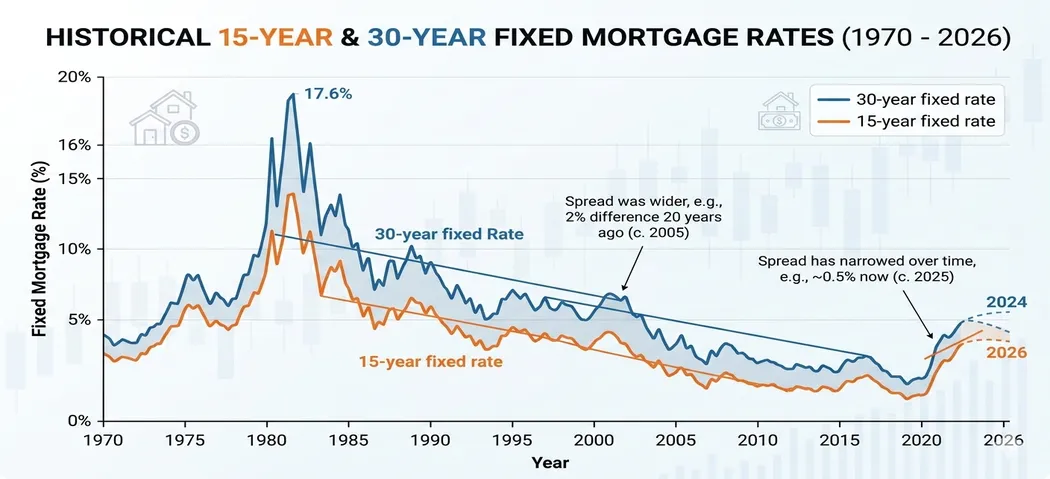
Mortgage rates in California have drifted lower compared to their 2023 peak near 8%, but remain meaningfully elevated by historical standards. As of early April 2026, 30-year fixed rates in California sit around 6.24%–6.55%, roughly in line with the national average of ~6.34%. For San Jose buyers — where loans regularly exceed $1 million — the jumbo loan market is the one to watch closely.
30-Year Fixed
6.24%
APR ~6.55% · California avg (NerdWallet, Apr 4 2026)
15-Year Fixed
5.70%
APR ~5.93% · Lower rate, higher monthly payment
30-Year Jumbo
6.60%
~0.25–0.50% above conforming · Required for most SJ homes
FHA 30-Year
6.30%
Rare in San Jose due to FHA loan limits vs. home prices
The big asterisk for San Jose: almost every home purchase here requires a jumbo loan. The 2026 conforming loan limit for high-cost areas of Santa Clara County is $1,209,750 — and with a median home price well above that, most buyers are automatically in jumbo territory. Jumbo rates typically run 0.25–0.50% higher than conforming rates, and lenders expect strong credit (720+) and larger down payments.
5/1 ARM: Approximately 6.48% — an option worth considering if you plan to sell or refinance within 5 years, though carry rate-risk if plans change
Rate trend: Rates hit a 3-year low in March 2026 before bouncing back slightly. Most forecasters expect rates to ease toward 6.0%–6.1% by year-end if economic conditions stabilize
Shopping lenders matters enormously here. On a $1.3M San Jose home, a 0.375% rate difference saves over $80,000 in total interest over 30 years — the upfront effort of comparing 3–4 lenders is worth every hour
Local tip: Silicon Valley-based credit unions like First Tech Federal Credit Union and Technology Credit Union often offer competitive jumbo rates for tech-sector employees. If your employer is a member-eligible company, check these before going straight to a big bank.
San Jose Housing Market Snapshot 2026
San Jose's housing market tells a tale of two trends: prices have softened from their 2022 peak, yet competition remains fierce because inventory is historically tight. It's a city where homes routinely sell above asking price — even in a cooled market — simply because there aren't enough of them.
$1.3M
Median Sale Price (Feb 2026, Redfin)
−7.9%
Year-Over-Year Price Change
12 days
Avg. Days on Market
0.74 mo.
Months of Inventory (Very Low)
The headline — prices down 7.9% year-over-year — looks dramatic, but context matters. San Jose's median is still 249% above the national average. The softening reflects a correction from the frenzied 2021–2022 peak, not a fundamental market collapse. Underlying demand from tech employment remains strong.
Sale-to-list price ratio:105% as of February 2026 — meaning the typical home still sells above asking price, even with broader cooling
Homes selling above asking:47.5% of all San Jose sales in Feb 2026 (down from 57% a year ago, but still remarkable)
Inventory: Just 0.74 months of supply — well below the 4–6 months that indicates a balanced market. This is why prices remain elevated despite affordability headwinds
Condos: Median around $700,000 — the most accessible entry point in San Jose for buyers who can't stretch to single-family prices
Single-family homes: Average around $1.53M, with premium neighborhoods like Willow Glen commanding $1.87M+
Zillow home value index:$1,462,209 average, up 0.7% over the past year — a sign of stabilization rather than continued decline
What this means for buyers: San Jose is a seller's market by almost every metric. Inventory is razor-thin, homes move in under two weeks on average, and overbidding is still common. Come pre-approved, have your down payment documentation ready, and work with an agent who knows how to write competitive offers. Speed and preparation matter as much as your offer price.
Rent vs. Buy in San Jose – Which Makes More Sense Right Now?
This is the central question for almost every San Jose resident — and the answer is genuinely complicated. The short version: renting is dramatically cheaper on a monthly basis right now, but buying builds long-term equity in one of America's most asset-appreciating cities. Your timeline and financial goals determine which wins for you.
The Monthly Cost Reality
On a typical San Jose home priced at $1.3M with 20% down ($260,000) and a 6.5% jumbo rate, your estimated monthly mortgage payment is roughly $6,600–$7,000 — before property taxes, insurance, and HOA fees. Add those in and total monthly housing costs easily reach $9,000–$10,500+.
Meanwhile, the average rent for an apartment in San Jose sits at approximately $3,039–$3,120/month (March 2026, Zumper/RentCafe), and a single-family rental runs $3,300–$4,500+ depending on size and neighborhood.
Factor
BUY Typical Home ($1.3M)
RENT 2-BR Apartment
Monthly Payment
~$6,600–$7,000 (P&I only)
~$3,418–$4,156
All-In Monthly Cost
~$9,500–$11,000 (incl. taxes, ins., HOA)
~$3,500–$4,500
Upfront Cost
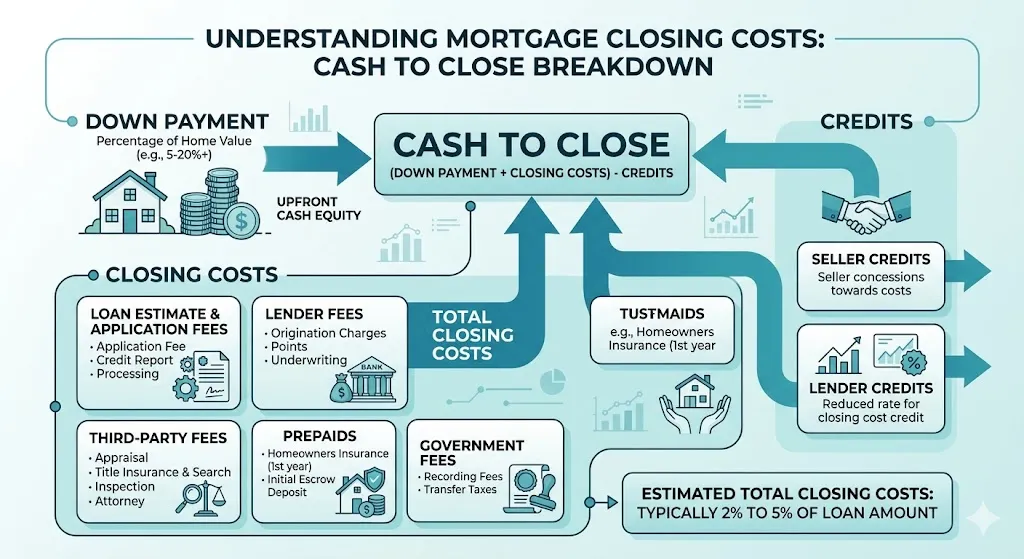
$260,000+ down payment + closing costs
$6,000–$12,000 (first, last, deposit)
Equity Building
✅ Yes — every payment builds ownership
❌ No — monthly payments leave no asset
Price Stability
✅ Locked-in mortgage rate; no rent hikes
⚠️ Rent up 2.56% YoY; landlord-dependent
Flexibility
⚠️ Selling costs 5–8% of home value
✅ Easier to move with 30–60 day notice
Tax Benefit
✅ Mortgage interest deduction (check limits)
❌ None
Long-term Wealth
✅ Strong historical appreciation in SJ
⚠️ Depends entirely on investing the difference
The Income Premium Gap — San Jose's Defining Challenge
Redfin's analysis puts it starkly: to afford a typical San Jose home over a typical apartment, a buyer needs to earn 175.2% more income than a renter. That's the second-widest buy-vs-rent gap in the entire country, trailing only San Francisco. Nationally, that premium is just 46.3%.
To buy comfortably (28% of gross income on housing): You need a household income of $380,000–$450,000+ for a median-priced San Jose home
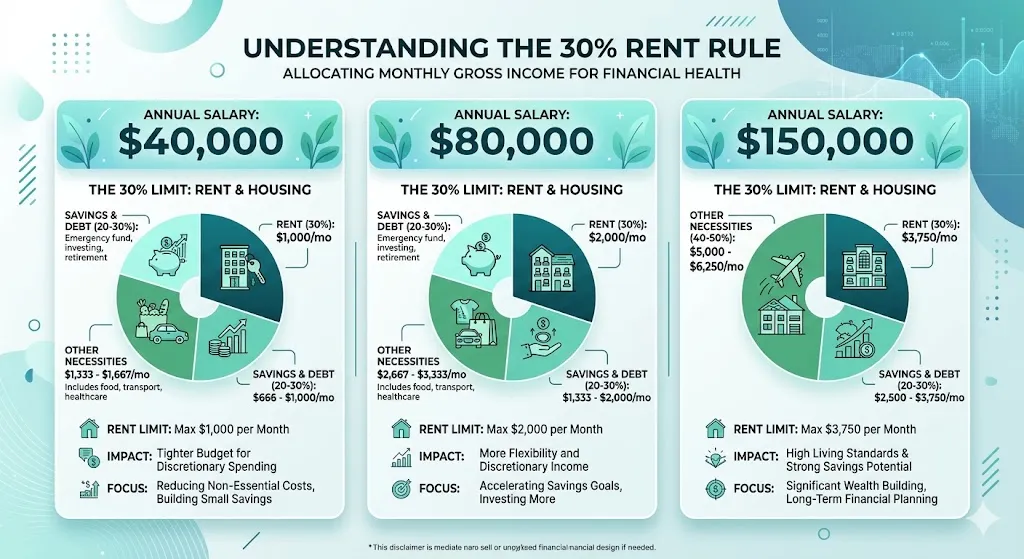
To rent a 2-bedroom comfortably: A household income of roughly $136,000–$165,000 gets you there at the 30% guideline
The case for renting short-term: If you're in San Jose for under 3–5 years, or haven't yet saved a 20% down payment, renting is almost certainly the financially smarter choice right now
The case for buying long-term: San Jose home values have appreciated dramatically over decades — buyers who purchased 10–20 years ago have seen extraordinary equity gains. If you're staying put and have the down payment, buying remains a powerful long-term wealth strategy
The honest bottom line: Renting in San Jose is cheaper every single month — but buying builds equity in one of the most enduring real estate markets in the world. If your timeline is 5+ years and you can genuinely afford the all-in monthly costs without financial strain, buying in San Jose has historically rewarded patience. If you're stretching to qualify, renting and investing the difference is a legitimate path to wealth-building too.
In the sections ahead, we'll break down which mortgage types fit which San Jose salary brackets, explore neighborhood-by-neighborhood price differences, and share local programs that can help make homeownership more reachable — even in one of America's priciest cities.
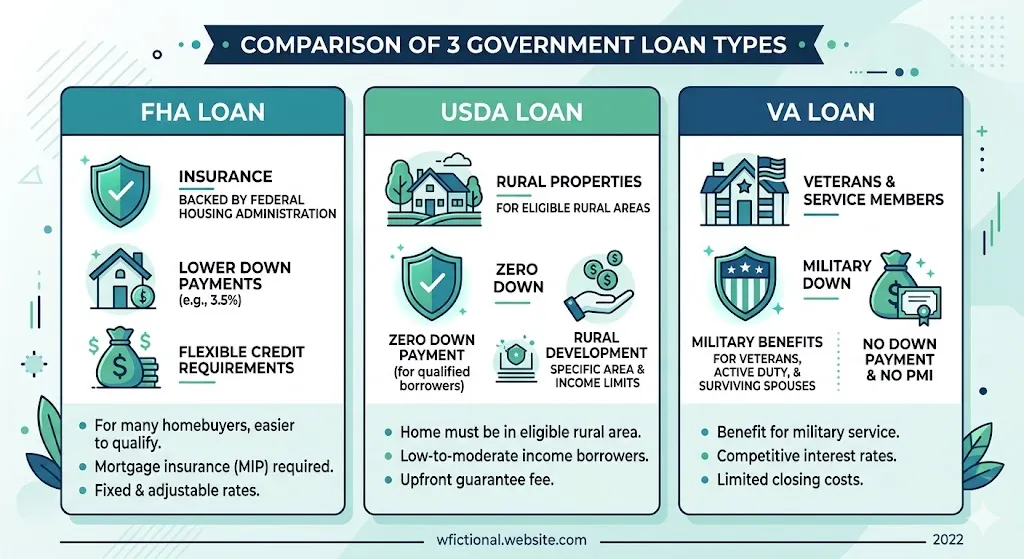
A simple breakdown of the three major government-backed home loan programs and how they differ.
San Jose Neighborhood & Economy Guide 2026
Where to Buy in San Jose – Neighborhood Breakdown 2026
San Jose is not one housing market — it's a dozen micro-markets stacked inside a single city boundary. Drive twenty minutes from a $700K condo in Downtown to a $2M+ estate in Almaden Valley and you'll feel the difference immediately. Here's where things stand in 2026.
💎 Expensive & Luxury Areas
San Jose's premium neighborhoods share a common thread: proximity to top-rated schools, larger lots, and a tight inventory that has resisted the broader price cooling. These areas still see homes sell in under two weeks and regularly above asking price.
Almaden Valley
$1.95M–$2.4M
Large lots, stunning hilltop views, access to Almaden Quicksilver County Park, and the highly regarded Cupertino Union School District. A true retreat lifestyle inside city limits. Newer homes carry Mello-Roos fees — budget accordingly.
Willow Glen
$1.4M–$2.1M
San Jose's most beloved historic neighborhood. Tree-lined streets, boutique Lincoln Avenue, craftsman bungalows, and a village-like atmosphere that commands fierce loyalty — and fierce bidding wars. Low turnover keeps inventory perpetually tight.
Evergreen
$1.5M–$2.2M
Newer builds, highly rated Evergreen School District, and some of the city's most family-friendly communities. HOA-governed enclaves and newer infrastructure, but watch for Mello-Roos fees in many tracts. Very popular with tech families.
Silver Creek Valley
$2M–$3M+
Gated country club living with a private golf course, security patrols, and some of San Jose's most spacious estates. The prestige address for buyers who want full luxury amenities plus proximity to Evergreen's top schools.
Why the premium? School district boundaries are the single biggest price driver in San Jose. Homes inside the Evergreen School District or Cupertino Union boundaries command a measurable premium over otherwise identical homes just outside those lines. Always verify the specific school assigned to a property — not just the neighborhood name.
🌱 Most Affordable & Growing Areas
In a city where the median home is $1.3M, "affordable" is relative — but these neighborhoods offer genuine value for San Jose, and suit buyers who prioritize entry price, transit access, and long-term upside over prestige zip codes.
Berryessa / North Valley
$1.1M–$1.6M
One of San Jose's best value plays in 2026. The VTA Berryessa BART Station makes commuting genuinely viable without a car. More townhomes and condos than single-family homes. Crime rates 88-89% below California average. Popular with first-time buyers and tech workers.
South San Jose (95123/95136)
$1.1M–$1.4M
Larger lots than inner neighborhoods, strong ADU potential (meaning rental income opportunity), and friendlier entry pricing. Suits growing families who want more space and budget-conscious buyers willing to trade a longer commute for more square footage.
Downtown SJ / Japantown
$600K–$1.3M
Condos from $600K–$850K are the city's lowest-cost entry point. Urban energy, walkability, VTA light rail access, and proximity to major employers including Adobe. Google's Downtown West development (starting 2025) is reshaping this area rapidly.
Blossom Valley
$1.0M–$1.2M
Peaceful, family-oriented streets in southern San Jose with excellent schools in the Mount Pleasant District, quiet suburban feel, and prices at the lower end of the San Jose spectrum. Limited public transit — a car is essential here.
⬆️ Up-and-Coming & Best-Value Neighborhoods
Cambrian Park
$1.3M–$1.7M
A neighborhood that consistently punches above its price tier. Excellent parks, well-regarded schools, and a community feel comparable to Willow Glen — at a noticeably lower price point. Bidding wars are re-emerging here in early 2026, a sign of growing demand.
Rose Garden
$1.3M
Named for San Jose's iconic Municipal Rose Garden with 3,500 rose bushes, this quiet neighborhood near Kelley Park offers a balance of historic character and walkability. More moderately priced than Willow Glen, with a similarly charming atmosphere.
Google's Downtown West mega-project — which began construction in 2025 and will eventually add 4,000 homes, 15 acres of parks, retail, and office space — is the single biggest catalyst reshaping San Jose's urban core. Japantown and nearby Downtown neighborhoods are seeing rezoning to allow mid-rise housing, which may gradually improve supply and attract more buyers priced out of the suburbs.
⚠️ Areas with Economic Challenges
San Jose, like every large American city, has neighborhoods where poverty rates are higher, housing stock is older, and public investment has been uneven. These deserve honest mention — not as areas to avoid, but as areas to understand fully before buying.
East San Jose (Alum Rock / East Side) — Historically the city's most economically challenged corridor. Higher crime rates than western neighborhoods, lower school ratings, and older housing stock. Median home prices are lower (roughly $800K–$1.1M for SFRs), and rental yields can be attractive for investors. The area has seen some community investment, but disparities with wealthier San Jose neighborhoods remain significant.
Alviso — A small historic district in the far north of San Jose. Flood risk is a real consideration here, and the area has lower median incomes and limited services. Values are low, but so is resale liquidity.
Parts of Downtown San Jose — The immediate Downtown core has higher crime rates than suburban neighborhoods and remains a work-in-progress from a neighborhood-stability standpoint. The Google development may accelerate positive change, but buyers should research specific streets carefully rather than assuming the whole area is uniform.
Economic Zones and Local Economy in San Jose
San Jose's economy is anchored by one of the most powerful industry clusters on the planet: Silicon Valley technology. But beneath the tech headline, the city hosts a surprisingly diverse economic ecosystem — from aerospace and biotech to logistics, healthcare, and a growing financial services presence.
🏢 Major Employers & Industries
San Jose is home to over 6,600 tech companies generating an estimated $275 billion in tech GDP annually. Tech accounts for roughly 30% of total employment in the metro — a concentration found nowhere else in the United States.
Cisco SystemsAdobeAppleGoogleInteleBayZoomWestern DigitalNvidiaPayPalKaiser PermanenteSan Jose State University
Technology (AI, semiconductors, cloud computing): The dominant sector. San Jose has 385,000+ tech jobs, with AI engineering and cybersecurity roles seeing the fastest growth in 2025–2026. Intel and Texas Instruments anchor the semiconductor segment; Google, Cisco, and Adobe lead enterprise software.
Healthcare & Biotech: A growing cluster. Kaiser Permanente is a major employer; biotech firms have expanded significantly alongside AI-driven drug discovery platforms.
Aerospace & Defense: Lockheed Martin and smaller defense contractors maintain a presence in the metro, particularly in the South Bay.
Financial Technology: PayPal and numerous fintech startups have turned San Jose into one of the country's leading fintech hubs.
Higher Education: San Jose State University employs thousands and feeds the local tech talent pipeline, keeping graduate-level skills in ready supply for area employers.
💰 Salary Ranges for Typical Residents
San Jose's wages are extraordinary by national standards. Average hourly wages in the metro were $58.25 in 2024 (BLS) — compared to the national average of $32.66. That gap reflects the concentration of high-paying tech roles, but it's worth noting that service-sector workers and non-tech employees face a stark cost-of-living squeeze.
Software Engineer
$166K–$253K
Senior Platform Engineer
$180K–$232K
Product / UX / Data
$130K–$180K
Tech Support / IT
$78K–$93K
Healthcare / Services
$55K–$90K
Retail / Hospitality
$35K–$55K
📰 Big Economic Stories in San Jose (2025–2026)
Google's Downtown West: Construction began in 2025 on Google's massive mixed-use campus in Downtown San Jose — eventually adding over 4,000 homes, 15 acres of parks, retail, and office space. This is the single largest private development in San Jose's history and is reshaping the urban core in real time.
AI hiring surge: Despite broader tech layoffs in 2023–2024, AI-specific hiring rebounded sharply in 2025. San Jose-area companies in AI infrastructure, chips (Nvidia), and enterprise AI tools are among the most aggressive hirers in the country heading into 2026.
Wages growing steadily: BLS data shows San Jose compensation costs rose 3.7% year-over-year through September 2025 — outpacing the national average and supporting continued demand for housing at all price levels.
Zoning reform underway: New state and city zoning laws are allowing mid-rise housing in Japantown and Willow Glen for the first time. More ADUs (accessory dwelling units) are being built across the city, providing new rental inventory and income opportunities for homeowners.
Housing correction creating opportunity: Prices down 7–8% year-over-year in early 2026 represent a genuine entry window — especially for buyers who were outbid during the 2021–2022 frenzy and can now negotiate with less competition.
Cost of Living Snapshot
Owning a home in San Jose means navigating California's layered tax and fee structure, one of the country's most expensive insurance markets, and a transportation system that remains car-dependent outside of a few transit corridors. Here's the honest all-in picture.
🏠 Property Taxes, Insurance & HOA Fees
California's base property tax rate is 1% under Proposition 13, assessed at your purchase price and capped at 2% annual increases. But in San Jose, that 1% is just the starting point — local bonds, parcel taxes, and Mello-Roos fees stack on top and vary significantly by neighborhood.
~1.46%
Effective avg. rate (city-wide)
1.5–1.6%
Almaden Valley & Evergreen (newer bonds)
1.3–1.4%
Downtown SJ (older, paid-off districts)
$1K–$3K
Typical annual Mello-Roos CFD fee
Prop 13 Benefit: Once you buy, your assessed value grows no more than 2% per year — a massive long-term advantage for owners who stay put. Longtime San Jose homeowners often pay a fraction of what new buyers pay in taxes on the same-valued home.
Mello-Roos (CFD fees): Common in newer San Jose developments — especially Evergreen, Silver Creek, and newer South San Jose tracts. These special taxes fund schools, roads, and community facilities and typically run $1,000–$3,000/year, lasting 20–40 years. Always ask your agent to check CFD status before making an offer.
Homeowners Insurance: Almaden Valley and Evergreen Hills carry 100% wildfire risk on their properties over the next 30 years (First Street data). Wildfire insurance riders can add significantly to standard premiums — get detailed quotes before budgeting. Plan for $2,500–$6,000+/year depending on location and risk zone.
HOA Fees: Common in newer planned communities, condo developments, and gated neighborhoods like Silver Creek. Ranges from $250–$600/month for typical HOAs; Silver Creek country club dues add an additional layer on top.
California state income tax:9.3% for incomes of $100K–$300K — a significant additional cost compared to no-income-tax states. Budget accordingly; this is one of the biggest financial differences between California and Texas or Florida homeownership.
Watch out for the supplemental tax bill: California sends a "supplemental" property tax bill 3–9 months after you buy, covering the difference between the prior assessment and your new purchase price. This often comes as a surprise. Ask your lender to estimate it and set aside funds at closing.
🚇 Commute Times & Transportation
San Jose is a car-centric city, but its transit infrastructure is improving. Strategic neighborhood choices can meaningfully reduce both commute time and transportation costs.
Average commute time:28–35 minutes for most San Jose residents driving to in-city jobs; 45–70+ minutes for commuters heading to San Francisco or the Peninsula via Highway 101 or 85 during peak hours
BART (Berryessa Station): The VTA Berryessa BART Station connects riders to the broader Bay Area rail network. Berryessa and North San Jose neighborhoods offer the best access, making them popular with commuters who work in Oakland or SF
VTA Light Rail: Covers key corridors through Downtown, North San Jose, and major employment hubs. Useful for within-city commutes but limited for regional travel. Monthly passes are a budget-friendly option for daily riders
Caltrain: Best accessed from Santa Clara station, a short drive or VTA ride from most San Jose neighborhoods. Connects to Peninsula cities including Palo Alto, Mountain View, and San Francisco
Car costs: Plan for $900–$1,350/month for a car-dependent household (gas, insurance, parking, maintenance). Living near BART or VTA can cut this by 40–50% for households that can go car-light
Transit-smart neighborhoods: Berryessa and Downtown San Jose offer the best public transit access in the city. If one partner commutes to the Peninsula and the other works locally, these neighborhoods can make a single-car household genuinely feasible — a meaningful monthly saving.
🎓 Schools & Family-Friendly Notes
San Jose's school quality varies enormously — from nationally recognized top performers to challenged schools in under-resourced parts of the city. This variability is one of the primary reasons neighborhood choice matters so much in San Jose's housing market.
Top-rated public schools: Evergreen School District and Cupertino Union School District (which covers parts of West San Jose and Almaden) consistently rank among California's best. Leland High School (Almaden/Evergreen) and Piedmont Hills High (Berryessa) are frequently cited as standouts
San Jose Unified School District: Covers much of the city's core. Quality varies widely — some campuses are excellent, others underperform. Research the specific school assigned to any property, not just the district name
Private schools: A robust ecosystem of private and independent schools supplements the public options. Bellarmine College Prep, Archbishop Mitty, and Presentation High are among the well-known options, with tuition typically $18,000–$30,000/year
Family amenities: Happy Hollow Park & Zoo, The Tech Interactive museum, Kelley Park, Alum Rock Park, and abundant hiking in the surrounding hills make San Jose genuinely family-friendly for outdoor-loving households
Childcare costs: San Jose is among the most expensive markets in the US for childcare — full-time infant care can run $2,500–$3,500/month. Factor this heavily into your total housing budget if you have young children
San Jose State University: A major anchor institution employing thousands and providing a pipeline of skilled graduates into the local economy — valuable context for long-term neighborhood stability
Best Mortgage Options for Different Salaries in San Jose
San Jose's home prices make mortgage strategy more complex — and more consequential — than in most American cities. The right loan structure depends heavily on your income tier, the neighborhood you're targeting, and which assistance programs you qualify for. Here's a frank breakdown by salary bracket.
LOW-TO-MID INCOME$40K–$80K Household
This income range faces San Jose's steepest affordability challenge — but the city and state have more assistance tools available here than most buyers realize. The key is stacking programs strategically.
CalHFA FHAMyHome DPAEmpower Homebuyers SCCGSFA Platinum GrantHousing Trust Silicon Valley
Realistic targets: Downtown San Jose condos ($600K–$850K), parts of East San Jose, or Berryessa condos. These are the only price ranges where this income bracket can reasonably qualify with assistance.
CalHFA FHA Loan + MyHome: CalHFA's FHA loan pairs with MyHome Assistance — a deferred-payment junior loan of up to 3.5% of the purchase price with no monthly payments until you sell or refinance. On a $700K condo, that's up to $24,500 off your upfront costs.
Empower Homebuyers SCC: Santa Clara County's strongest currently-active program. Offers up to $250,000 as a deferred loan — no monthly payments, repaid at sale or refinance. Income limits are based on Santa Clara County's AMI (one of the highest in the US, which works in your favor). This is the program to prioritize after CalHFA Dream For All closed in March 2026.
GSFA Platinum Grant: Up to 5.5% of your loan amount as a true grant — not a loan, never repaid — for buyers at or below the area moderate income. Does not require first-time buyer status, making it accessible to more borrowers.
Credit score minimum: Most CalHFA programs require 660+. FHA alone is 580+. A few months of credit-building before applying can meaningfully expand your options.
Homebuyer education required: All CalHFA programs require an 8-hour course via eHome ($100 online) or a free HUD-approved in-person session. Complete this early — it's a prerequisite for most assistance applications.
Stack your programs: A CalHFA FHA first mortgage + MyHome DPA + GSFA grant can be combined in many cases. Work exclusively with a CalHFA-approved lender who knows how to layer these — a standard bank loan officer likely won't know all the options available in Santa Clara County.
MIDDLE INCOME$80K–$150K Household
At this income level in San Jose, you'll likely earn too much for the most generous income-restricted programs but still qualify for several meaningful assistance options. Conventional loans with smart down payment strategies are your primary tool.
Realistic targets: Berryessa ($1.1M–$1.4M), South San Jose ($1.1M–$1.4M), Blossom Valley, and Cambrian Park entry-level. A household income of $130K–$150K is the approximate minimum to qualify conventionally for a $1.2M home with 10% down at today's rates.
CalHFA Conventional loan: Provides a 30-year fixed-rate conventional mortgage with income limits based on Santa Clara County AMI — which allows household incomes well above $150K in some configurations. Pair it with CalHFA's MyHome junior loan (up to 3% of purchase price for conventional) for closing cost relief.
Empower Homebuyers SCC (still worth checking): Income limits are set at 120% of Santa Clara County AMI. For a family of 4, that threshold can be approximately $200,000+ — meaning many dual-income households in the $100K–$150K range may still qualify.
FHA in San Jose: rarely useful here. The FHA loan limit in Santa Clara County is $1,089,300 — below the median home price. For homes above that, only conventional programs apply.
Employer housing benefits: Many major San Jose tech employers (Adobe, Cisco, Intel, eBay) offer employee assistance for homebuying — from financial education to direct forgivable loans. Check your HR benefits portal before assuming you're on your own.
PMI math matters: At 10% down on a $1.2M home, expect PMI of roughly $500–$700/month until you reach 20% equity. Weigh whether saving longer for 20% down is worth the wait versus buying now in a correcting market.
HIGHER INCOME$150K+ Household
At $150K+ in San Jose, the assistance programs largely fall away — but the mortgage strategy becomes about optimizing rate, structure, and long-term wealth building in a city where home equity gains have been historically exceptional.
Realistic targets: Most of San Jose opens up — Willow Glen, Evergreen, Almaden Valley entry-level, Cambrian Park, and Berryessa single-family homes. A household income of $300K–$400K is the rough threshold for comfortably affording Willow Glen or Almaden at today's rates.
Jumbo loan — your primary vehicle: Nearly every San Jose SFR purchase requires a jumbo loan (above the $1,209,750 high-cost conforming limit). Rates run approximately 6.5–6.75% in April 2026. Lenders want 720+ credit, 10–20% down, and strong DTI.
20% down math: On a $1.5M Willow Glen home, 20% down means $300,000 at closing — but eliminates PMI (~$700–$900/month) and secures the best available jumbo rates, saving over $120,000 in total interest over 30 years compared to a 10%-down structure.
VA Loan (if eligible): Veterans and active-duty service members can use VA loans with zero down payment — no conforming loan cap for eligible borrowers with full entitlement. One of the most powerful tools available at any price point in San Jose.
First Tech Federal Credit Union / Technology Credit Union: Both serve Silicon Valley tech employees and frequently offer competitive jumbo rates below what major national banks quote. Always get a quote here before committing to a big bank.
Prop 13 long-game: Once you close, your property tax assessment is locked at your purchase price and capped at 2%/year growth. In a city where home values frequently appreciate 5–8% annually over long periods, this creates an enormous long-term financial advantage for patient buyers.
Local Success Stories and Practical Tips
Sometimes the most useful thing isn't a rate table — it's seeing how real San Jose buyers have navigated the same challenges you're facing. These scenarios reflect common paths buyers take in 2026.
💻 Scenario 1: The First-Time Tech Worker
Priya, 31, works as a data engineer at a Cisco subsidiary earning $118,000/year. She's been renting a one-bedroom in North San Jose for $2,900/month and wants to stop "paying someone else's mortgage."
She targets a $750,000 condo in Berryessa — near the BART station for easy future job flexibility across the Bay Area
Her employer offers a housing education stipend covering her CalHFA homebuyer course fee. She completes the course, checks eligibility for Empower Homebuyers SCC, and qualifies for a $90,000 deferred loan — eliminating her need for a large cash down payment
Using a CalHFA Conventional first mortgage at 6.3% with the Empower loan as a silent second, her monthly all-in payment is approximately $4,200 — meaningfully higher than her rent, but building equity in a city where condo values have historically appreciated
Key move: She worked with a CalHFA-approved mortgage broker (not her bank) who knew how to combine the county program with the CalHFA first mortgage — something her bank's loan officer couldn't offer
👨👩👧👦 Scenario 2: The Dual-Income Tech Family
Marcus and Diana have a combined household income of $265,000. With two kids entering elementary school, Evergreen's school district is their top priority.
They target a $1.45M single-family home in Evergreen — strong schools, newer construction, and solid long-term appreciation track record
They put 20% down ($290,000) — accumulated over five years from RSU (restricted stock unit) vesting at their tech employers — avoiding PMI and securing a jumbo rate of 6.4%
Before closing, they run a Mello-Roos check on three shortlisted properties. One had a remaining CFD balance adding $2,400/year in fees. They chose a neighboring home with an expired CFD — saving that amount annually
Key move: They filed their homestead exemption the same week they received the keys, and immediately added the annual DCAD appraisal protest reminder to their calendar for year one
🌿 Scenario 3: The Downsizing Empty Nester
Linda, 62, sold her longtime home in Almaden Valley — purchased in 2001 — and wanted to downsize to a Willow Glen cottage closer to Lincoln Avenue's walkable shops and restaurants.
Her Almaden home had been assessed for Prop 13 purposes at just $420,000 (purchased price), generating a very low tax bill. Her new $1.6M Willow Glen purchase reset her assessed value to the full purchase price — a significant tax increase she planned for in advance
As a buyer over 55, she explored Prop 19 — California's rule allowing qualifying homeowners to transfer their property tax base to a new home anywhere in the state. The calculation resulted in meaningful tax savings on her new purchase compared to a full market-rate reassessment
With substantial equity from her sale, she paid 40% down — keeping her monthly jumbo payment well under $6,000 and her retirement cash flow comfortable
Key move: She consulted a CPA familiar with Prop 19 before closing — the timing and documentation of the transfer matter for the tax benefit to apply correctly
✅ Actionable Tips for San Jose Buyers in 2026
Always run a Mello-Roos check before making an offer. In newer San Jose developments — especially Evergreen, Silver Creek, and South San Jose tracts — undisclosed CFD fees can add $1,000–$3,000+/year. Sellers must disclose, but always verify independently.
Get pre-approved with a CalHFA-approved lender first — not your primary bank. Most major banks don't offer CalHFA programs or Santa Clara County's Empower Homebuyers SCC. A broker who specializes in Bay Area assistance programs is worth their fee.
Homes are selling in 12 days on average — but that doesn't mean every home is flying off shelves. The 34% of listings that had price reductions in early 2026 represent negotiating opportunities. Look for homes that have sat 20–30+ days and approach with a thoughtful offer below ask.
Budget for the supplemental tax bill. Within 3–9 months of closing, California sends a surprise supplemental property tax bill reflecting your new higher assessed value. Ask your lender to estimate it and set aside funds — it typically runs $5,000–$15,000 on a San Jose purchase.
Consider an ADU as your financial strategy. San Jose's zoning now actively supports Accessory Dwelling Units. Buying a home with ADU potential — or building one — can generate $2,500–$3,500/month in rental income, dramatically improving your effective housing cost.
File your homestead exemption immediately. California's $7,000 homestead exemption on your primary residence reduces your assessed value, saving roughly $70–$100/year. Small but easy — file Form BOE-266 right after closing.
Frequently Asked Questions about Mortgages in San Jose
Do I really need a jumbo loan to buy in San Jose?
For most San Jose home purchases — yes. The 2026 conforming loan limit for Santa Clara County is $1,209,750, which is the highest in California. But with a median home price of $1.3M and single-family homes averaging $1.53M, most buyers still need a jumbo loan. The exception is condos and townhomes, where a significant share of inventory falls below the conforming limit and standard conventional financing applies.
What is the Empower Homebuyers SCC program and how do I apply?
Empower Homebuyers SCC is Santa Clara County's flagship down payment assistance program for 2026, offering up to $250,000 as a deferred loan — no monthly payments, repaid only when you sell or refinance. It replaced CalHFA Dream For All (which closed March 16, 2026) as the county's most generous single program. Income limits are based on Santa Clara County AMI, and first-time homebuyer status is required. Apply through a participating lender or via Housing Trust Silicon Valley, which administers the program locally.
Is San Jose a buyer's or seller's market in 2026?
It's nuanced. By inventory metrics — 0.74 months of supply and homes selling in 12 days on average — San Jose is firmly a seller's market. But by price trend — down 7.9% year-over-year — buyers are gaining ground. Homes selling at 105% of list price still means you'll face competition on well-priced properties, but the 34% of listings with price reductions signal that overpriced homes do sit. Come prepared to move fast on fairly priced homes, but don't panic-overbid.
What credit score do I need to buy a home in San Jose?
580 minimum for FHA loans (though CalHFA FHA programs typically require 660+). 620–660 for conventional financing, with the best jumbo rates reserved for scores of 720+. If your score is in the 600–660 range, a few targeted months of credit improvement — paying down revolving balances, disputing errors — can open significantly better loan options and lower your rate.
What happened to the CalHFA Dream For All program in 2026?
The 2026 registration window for CalHFA Dream For All opened February 24 and closed March 16, 2026 — it is no longer accepting applications. The program offered up to 20% of the purchase price (capped at $150,000) as a shared appreciation loan. It was enormously popular due to the no-monthly-payment structure but was limited by funding and a randomized lottery selection. Buyers who missed it should focus on Empower Homebuyers SCC, GSFA Platinum, and MyHome as the strongest currently-active alternatives.
How does Prop 13 affect my property taxes as a San Jose buyer?
When you purchase, Santa Clara County reassesses your home at the full purchase price — resetting your tax bill higher than the prior owner's. Your annual tax rate will be approximately 1.3%–1.6% of that purchase price (including local bonds and Mello-Roos, if applicable). After that, Prop 13 limits increases to a maximum of 2% per year, regardless of how fast San Jose home values appreciate. This caps your long-term tax exposure — a significant benefit for buyers who plan to stay for 10+ years.
Should I buy now or wait for rates to drop further?
It's a genuinely difficult call in San Jose — more so than in most cities, because of the size of the numbers involved. Waiting for a 1% rate drop on a $1.3M loan saves roughly $800/month — meaningful. But in a city with 0.74 months of inventory, a rate drop could trigger an immediate surge in buyer competition and price recovery, potentially costing more in purchase price than you saved in monthly payments. If you're financially ready and planning to stay 7+ years, buying in today's correcting market has historically been the right call in Silicon Valley.
Ready to Buy in San Jose? Start Here.
San Jose is one of the most complex — and most rewarding — housing markets in the country. Prices are high, competition is real, and the mortgage landscape requires more planning than a typical American city. But the fundamentals remain exceptional: a world-class tech economy, limited land, persistently high demand, and a track record of long-term appreciation that few markets can match.
Whether you're a first-time buyer working with Empower Homebuyers SCC to bridge a down payment gap, a tech professional targeting Berryessa for BART access, or an established buyer finally ready to put down roots in Willow Glen — knowing your numbers is the first and most important step.
$1.3MMedian Sale Price
6.24%30-Yr Rate (Apr 2026)
$250KMax DPA Available
12 daysAvg. Days on Market
Use the mortgage calculator above to run your own numbers — plug in San Jose's real 2026 rates, your down payment, and the neighborhood price range you're targeting. It takes two minutes and gives you a clear, honest picture of what monthly ownership actually looks like for your situation.
Mortgage Services in Other Cities
New York City
Get accurate mortgage estimates, PITI calculator, and competitive rates for New York City home buyers.
Explore New York →
Los Angeles
Calculate monthly payments and compare fixed & adjustable mortgage rates in Los Angeles.
Explore Los Angeles →
Chicago
Instant mortgage payment calculator with current rates for Chicago homebuyers in 2026.
Explore Chicago →
Phoenix
Find the best mortgage options and estimate payments for homes in Phoenix, Arizona.
Explore Phoenix →
Philadelphia
Affordable mortgage solutions and FHA, VA, USDA loan options for Philadelphia buyers.
Explore Philadelphia →
San Antonio
Easy mortgage calculator with current interest rates for San Antonio home purchases.
Explore San Antonio →
San Diego
Compare mortgage lenders and calculate payments for properties in San Diego.
Explore San Diego →
Dallas
Fast mortgage estimates and expert loan guidance for Dallas-Fort Worth area buyers.
Explore Dallas →
San Jose
High-value mortgage solutions and rate comparisons for San Jose homebuyers.
Explore San Jose →
Houston
Reliable mortgage tools and current rates for Houston metropolitan area buyers.
Explore Houston →
About the Author
This article was written by the Me (Pardeep) and My Financial Guide Team,
a group of researchers focused on mortgage education and home financing tools.
Our goal is to help home buyers understand mortgage payments, interest rates,
and loan options through simple guides and calculators. Last Updated: April 2026